
Best Pokies in Perth: Rules, RTP, and Where to Play
 Available in AU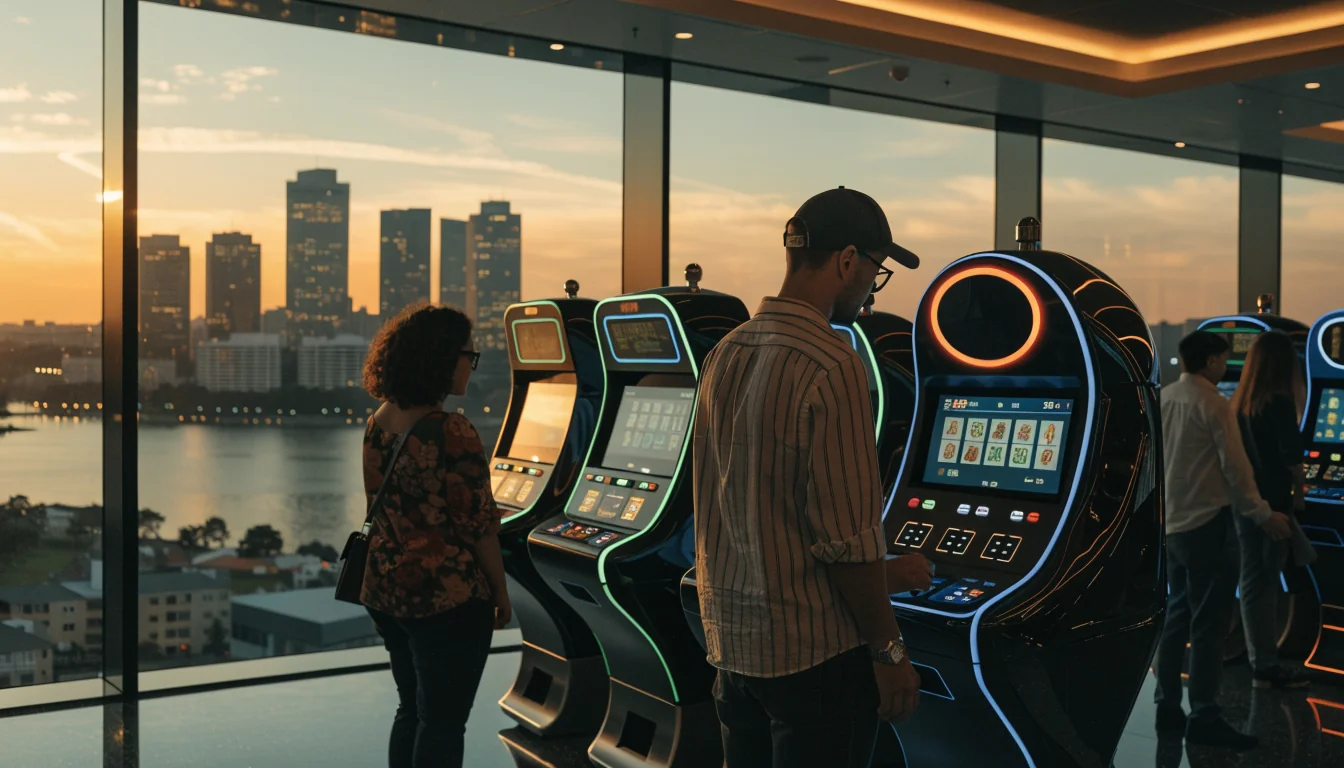
Pokies Landscape in Perth: Regulations, Availability, and Gameplay Basics
When I discuss the environment surrounding the best pokies in Perth 2026, the conversation has to begin with the regulatory framework. Having observed the operational side of the gaming industry, I can state plainly that Western Australia has some of the strictest gaming laws in the country. The legal structures governing how, where, and to whom these machines are made available are rigidly enforced, creating an environment fundamentally different from what one observes in eastern states. The access to physical casinos is limited in Western Australia by deliberate legislative design, restricting the footprint of traditional gaming machines to a fraction of what is observed elsewhere.
The legal monopoly on physical machines is the defining characteristic of the local landscape. Crown Perth is the only legal venue for traditional poker machines in Western Australia. Unlike New South Wales or Victoria, where pubs and clubs operate fleets of machines, the arrangement in Western Australia confines physical pokie play to a single casino complex. This regulatory choice eliminates the possibility of walking into a local pub after work and feeding coins into a machine. It also completely redefines the search for “perth clubs pokies” — because the law prohibits clubs from operating them. The statutory restriction is absolute, and compliance is monitored to ensure no venue outside the designated casino complex legally houses traditional poker machines. The laws governing this industry are explicitly designed around geographical and operational containment.
Choosing where to play pokies online comes down to licensing, real payout speeds and how workable the welcome offer actually is — the operators below are worth a closer look on those merits.
License: Curacao OGL/2024/1335/0780 · Bonus: up to A$1,000 + 150 free spins, wager-free · Min. deposit: EUR 20 Licensed under Curacao OGL, it stands out with a wager-free welcome bonus of up to A$1,000 plus 150 free spins, and a low EUR 20 minimum deposit makes it accessible from the start.
License: Curacao · Bonus: 100% up to A$500 + 200 free spins, 10x wagering · Payout speed: crypto 30-60 minutes, fiat 1-5 days · Min. deposit: A$10 Backed by a Curacao license, it pairs a solid welcome package of up to A$500 plus 200 free spins with fast crypto withdrawals, while fiat payouts take a few days; the A$10 minimum deposit keeps entry easy.
License: Curacao eGaming (Dama N.V.) · Bonus: up to A$10,000 + 180 free spins, 40x wagering Operating under Dama N.V.’s Curacao eGaming license, it offers one of the larger welcome bonuses on this list, up to A$10,000 plus 180 free spins, though the 40x wagering requirement is worth noting.
License: Curacao · Bonus: up to A$10,000 multi-stage + 500 free spins · Min. deposit: A$20 (POLi) Licensed in Curacao, it features a substantial multi-stage bonus reaching up to A$10,000 with 500 free spins, and accepts a modest A$20 minimum deposit via POLi.
Bonus: up to A$7,500 + 550 free spins across 10 deposits, 50x wagering · Payout speed: crypto under 1 hour, PayID 1-3 business days · Min. deposit: A$20 (A$30 to qualify for the bonus) A generous package spread across ten deposits totals up to A$7,500 plus 550 free spins, with crypto withdrawals processed within an hour and PayID taking a few business days; a A$30 deposit is needed to unlock the bonus.
License: Curacao Gaming Control Board OGL/2023/176/0095 (Hollycorn N.V.) · Bonus: up to A$5,000 + 300 free spins across 4 deposits Licensed via the Curacao Gaming Control Board under Hollycorn N.V., it offers a multi-deposit bonus of up to A$5,000 plus 300 free spins spread over four deposits.
License: Curacao · Bonus: up to A$2,000 Operating under a Curacao license, it keeps things straightforward with a welcome bonus of up to A$2,000.
Bonus: 100% up to A$750 + 200 free spins, 35x wagering · Payout speed: crypto 30-120 minutes, fiat 24-72 hours · Min. deposit: A$30 The welcome offer matches deposits up to A$750 plus 200 free spins with 35x wagering, and it handles crypto payouts quickly while fiat withdrawals take a day or a few; entry starts at a A$30 deposit.
Bonus: up to A$750 + 50 jackpot spins, 35x wagering · Payout speed: crypto ~90 minutes, fiat 1-5 days · Min. deposit: A$30 Its bonus reaches up to A$750 with 50 jackpot spins under 35x wagering, and crypto withdrawals are processed swiftly, while fiat can take up to several days; a A$30 minimum deposit applies.
License: Curacao Gaming Control Board · Bonus: up to A$5,000 + 400 free spins Licensed through the Curacao Gaming Control Board, it offers a sizeable welcome bonus of up to A$5,000 plus 400 free spins.
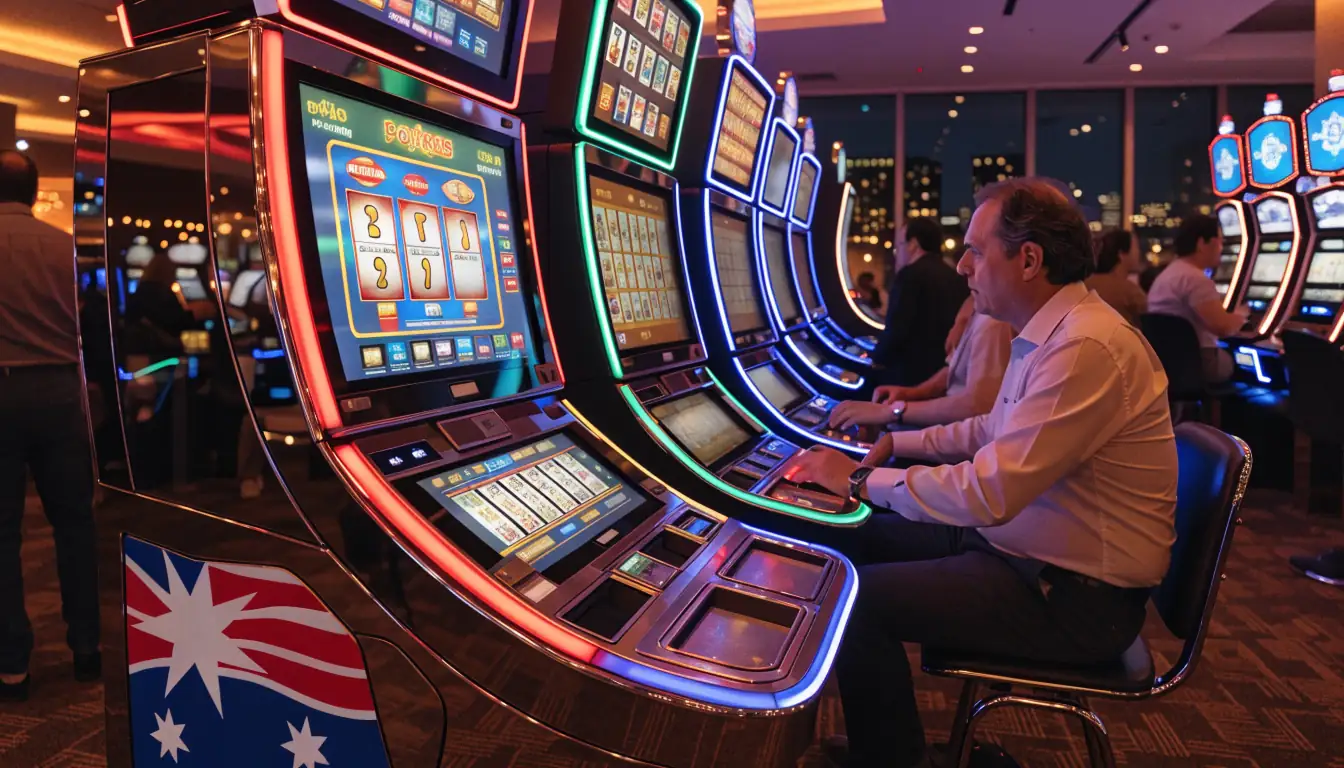
This containment creates a specific set of operational realities. When a legal framework funnels all physical machine play into a single venue, the logistics of accessing those machines change. The operational hours of the venue become the sole determinant of availability. Crowds gather around the permitted physical machines because there are no alternative legal venues. The floor layout, the machine servicing schedules, and the physical queueing systems are all managed within the constraints of a single property. By restricting the physical footprint, the regulatory framework inherently restricts the supply, creating a bottleneck that shapes the physical playing experience.
The Reality of Round-the-Clock Availability
The containment of physical machines to a single licensed venue directly creates the operational parameters surrounding opening hours. People frequently search for "24 hour pokies perth" or "24 hour pokies venues perth" because the desire to play does not adhere to standard business hours. The reality is that the legal framework does not permit pubs or clubs to house these machines, which immediately nullifies the concept of finding a local, neighborhood venue open around the clock. Inquiries regarding "24 hour pokies perth open now" or "perth pokies open now" are filtered through the operational schedule of that one casino. The search for "perth pokies hours" ceases to be a question of comparing different venues and becomes a matter of checking the operating timetable of the sole legal provider. "Perth pokies opening" times and general "perth pokies open" schedules are dictated entirely by the physical venue’s license to operate during specific hours. "Perth casino pokies" are the only physical option available, and their accessibility is governed by the casino’s opening schedule, not by a distributed network of localized clubs.

The operational differences between searching for a localized venue and relying on a centralized casino are immense. A distributed network allows for varied opening hours based on local demand and liquor licensing laws. A centralized monopoly requires the venue to operate on a fixed schedule that balances staffing costs, security requirements, and regulatory compliance. When individuals look for "perth clubs pokies," they are applying a mental model from a different regulatory framework. They assume a suburban dispersion of gaming machines. The Western Australian framework intentionally prevents this dispersion to limit the exposure of the general public to high-intensity gambling. The result is that the search for a nearby machine is always a search for the central casino. The physical availability of the machines is geographically locked.
This geographic locking fundamentally alters how players interact with the market. When access requires traveling to a specific destination, the act of playing becomes a planned event rather than a spontaneous decision made during a routine social outing. The regulatory framework achieves its goal of harm minimisation by adding friction to the access process. By removing the machines from local clubs, the frequency of casual play is reduced. The infrastructure of the casino is designed to absorb this concentrated demand. The floor space accommodates the crowds, the security personnel manage the environment, and the surveillance systems monitor the activity. The operational cost of maintaining this infrastructure is subsidized by the concentration of players. A dispersed network of machines in clubs would require a dispersed network of compliance officers, security personnel, and maintenance technicians. The centralized model reduces the administrative burden of compliance while restricting access.
The Mechanics of Play: Volatility and Session Management
Moving beyond the regulatory framework, understanding the mechanics of the games themselves is critical. The physical layout of the machines in the casino presents a variety of options, but the internal mathematics governing these options is what dictates the player experience. Volatility describes how a pokie tends to pay. It is the mathematical measure of the risk involved in playing a specific game. A low-volatility game is engineered to return smaller amounts frequently, sustaining a player’s session balance over a longer period. A high-volatility game is engineered to withhold payouts for extended stretches, building toward infrequent but larger payouts.
Understanding this mechanic is essential for managing a session budget. High-volatility pokies can quickly deplete a session budget. The internal logic of these games is designed to withstand long periods of continuous play without issuing a significant payout. The mathematics governing the reels prioritize the accumulation of credit toward a large statistical deviation. When players sit down at a high-volatility machine without understanding this dynamic, the speed of the play combined with the lack of intermediate payouts can drain funds before the mathematical variance evens out. The game’s programming does not care about the duration of play; it executes its algorithmic cycle regardless of how much money has been inserted. The risk is entirely structural. The machine is built to hold money until a specific combination triggers a release, and that trigger is spaced out to ensure the house edge is maintained over time.
The structural risk in high-volatility games lies in the disconnect between the frequency of play and the frequency of reward. The algorithmic design of the game ensures that the periods between significant payouts are extended. This design is not a malfunction; it is the core feature of high-variance mathematics. The machine is programmed to accept a high volume of bets without issuing corresponding returns, accumulating a pool of funds that will eventually be released in a single, large payout. For a player operating on a limited session budget, this design creates a high probability of ruin before the payout cycle is reached. The speed of the reels exacerbates this risk. Modern machines are capable of processing hundreds of spins per hour. If the algorithm requires thousands of spins to reach a payout frequency, a player engaging in rapid play will exhaust their budget long before the statistical mean is achieved. The operational reality is that the machine’s volatility is a financial trap for the unprepared. It demands a level of financial endurance that most casual players do not possess.
High‑Volatility Risk
High‑volatility pokies can deplete a session budget quickly; players should ensure they have sufficient bankroll before playing.
Managing a session on a high-volatility machine requires an understanding of bankroll preservation. The budget must be sized to withstand the barren stretches between payouts. If the budget is insufficient to cover the expected number of spins required to trigger a payout, the session will end in a loss regardless of the game’s theoretical payout percentage. The mathematics are unforgiving. A player who inserts a budget sized for a low-volatility game into a high-volatility machine will experience a rapid depletion of funds. The operational difference between the two volatility profiles is not merely a matter of frequency; it is a matter of the scale of the risk. The low-volatility game trades the potential for a large payout for the assurance of sustained play. The high-volatility game trades sustained play for the potential of a large payout. The choice between the two is a calculation of financial endurance.
The casino floor offers a mix of these volatility profiles to cater to different player psychologies. Some players seek the entertainment value of sustained play, preferring the frequent interaction of small wins that keep the balance stable. Others seek the adrenaline of a large payout and are willing to accept the financial risk required to reach it. The arrangement of the machines on the floor reflects this segmentation. The high-volatility machines are often positioned to attract attention, showcasing the potential for large payouts to draw in players who are willing to take the risk. The low-volatility machines are positioned to provide a steady, predictable experience for players who prioritize longevity over the chance of a significant win. The operational psychology of the floor layout is designed to maximize the extraction of funds by catering to these different risk appetites. The casino understands that player endurance is variable, and the floor plan is organized to exploit that variability.
The Bonus Buy Feature
The internal mechanics of modern machines also include features that alter the fundamental relationship between the player and the game’s volatility. The bonus buy feature is a primary example of this. Some pokie games feature bonus buy options. This mechanic allows the player to bypass the base game and purchase direct entry into the game’s bonus round. The bonus round is where the highest multiplications of the bet are typically generated. In a standard game cycle, the bonus round is triggered by spinning specific combinations of symbols on the reels. The frequency of these combinations is governed by the game’s volatility profile. In a high-volatility game, the trigger combinations appear infrequently, requiring a player to commit a significant amount of time and money to reach the bonus round organically.
The bonus buy feature fundamentally changes the financial equation. Instead of investing funds into the base game, hoping to survive long enough to trigger the bonus round, the player pays a fixed, upfront premium to access it immediately. The cost of this premium is calculated as a multiple of the base bet. The operational logic behind this feature is transparency in risk. The player knows exactly how much they are paying to access the highest-variance portion of the game. The feature eliminates the "grind" of the base game, where a player’s budget is slowly eroded by the house edge over hundreds of small, losing spins. By purchasing the bonus round directly, the player skips the accumulation phase and jumps straight to the payout phase. The risk is concentrated and immediate. The player either wins back the purchase price plus a profit, or they lose the purchase price entirely. The outcome is binary and rapid.
The introduction of the bonus buy feature is a response to player behavior. Operators observed that players would abandon games after long stretches without triggering a bonus round, frustrated by the depletion of their budget without experiencing the game’s main attraction. The bonus buy feature retains these players by offering them a shortcut to the feature they are chasing. The operator monetizes this shortcut by pricing the buy-in at a level that maintains the house edge. The mathematics of the game ensure that the cost of the bonus buy is proportionate to the expected return of the bonus round over the long term. The player is not gaining a mathematical advantage by buying the bonus; they are simply paying to skip the waiting period. The feature accelerates the pace of the financial transaction. The money changes hands faster, and the outcome is determined in seconds rather than hours.
This mechanic has a profound impact on session management. A player using the bonus buy feature is engaging in a high-intensity, high-variance strategy. The rapid depletion of funds associated with high-volatility games is amplified when the player is purchasing bonus rounds. A budget that might last for an hour of base-game spins can be exhausted in five minutes through the repeated purchase of bonus rounds. The feature requires a different approach to bankroll management. The unit of measurement is no longer the individual spin but the individual bonus buy. The player must calculate their budget in terms of the number of bonus rounds they can afford to purchase. The risk of ruin is absolute and immediate. A single losing bonus buy represents a total loss of the purchase price. There is no intermediate payout to soften the blow. The feature is designed for players who understand the mathematics of variance and are willing to accept the binary outcome of a direct purchase.
The psychological impact of the bonus buy feature is significant. It removes the suspense of the base game, replacing it with the immediate gratification of the bonus round. For some players, this is the preferred way to play. They do not enjoy the slow, methodical grind of the base game; they want the action and the potential for a large payout that the bonus round provides. The feature caters to this preference by offering a direct path to the action. The operator benefits from this by increasing the turnover of funds. The faster the money is wagered, the faster the house edge is applied. The bonus buy feature is a mechanism for accelerating the velocity of money through the machine. It is an operational efficiency disguised as a player convenience. The feature extracts funds at a higher rate by appealing to the player’s desire for immediate results.
The bonus‑buy option lets players pay a fixed premium to enter the bonus round directly, bypassing the base‑game grind.
Physical Venues and the Absence of a Cashless Infrastructure
The operational infrastructure of physical gaming venues is another aspect shaped by regulation. The inquiry "perth cashless pokies" touches on a significant area of modern gaming floor management. In many jurisdictions, the transition to cashless gaming has been accelerated by regulatory mandates aimed at improving financial transparency and reducing the physical handling of currency. The implementation of cashless systems involves the use of digital wallets, card-based credits, and mobile applications to fund play, eliminating the need for physical coins or banknotes.
The operational reality of implementing a cashless system in a physical venue is complex. It requires the integration of financial technology with the existing machine infrastructure. The machines must be retrofitted with card readers or wireless communication modules to interface with the digital wallets. The backend systems must be capable of processing real-time transactions, verifying fund availability, and updating the machine’s credit balance instantly. The complexity of this integration is significant. The physical wiring of the floor, the age of the machines, and the compatibility of the software all factor into the cost and timeline of implementation. A cashless system requires a robust and secure network infrastructure to handle the continuous flow of financial data. Any latency in the system creates a delay in the player’s ability to access their funds, leading to frustration and complaints. The operational standard is immediate credit. The player inserts their card or scans their phone, and the machine must reflect the available funds without a perceptible delay.
The management of physical cash on a gaming floor is a massive logistical operation. It involves armored transport, secure counting rooms, specialized staff, and rigorous auditing protocols. The removal of physical currency from the floor eliminates these logistical chains. However, it introduces a new set of operational dependencies. The venue becomes reliant on the uptime of the digital payment networks. If the network experiences an outage, the machines are unable to accept funds, and the floor operations grind to a halt. The risk shifts from physical theft to digital disruption. The operational cost of maintaining a secure digital payment infrastructure often exceeds the cost of handling physical cash. The software licensing fees, the transaction processing fees, and the cost of technical support all erode the financial benefit of removing physical currency from the floor.
The regulatory framework surrounding cashless gaming is designed to ensure financial transparency. Every transaction is recorded, logged, and auditable. This creates a clear trail of funds, reducing the potential for money laundering and tax evasion. The regulatory oversight of cashless systems is stringent. The systems must comply with financial regulations regarding data security, privacy, and transaction reporting. The cost of compliance is significant. The software must be certified to meet the regulatory standards, and the systems must be audited regularly to ensure ongoing compliance. The operational burden of maintaining this compliance is substantial. The venue must employ specialized staff to manage the compliance requirements, monitor the systems for irregularities, and generate the reports required by the regulators. The cashless system is not a simple replacement for physical currency; it is a complex financial infrastructure that requires constant management and oversight.
The Economics of the Physical Floor
The economic model of a physical casino floor is based on the aggregation of individual machine performances. The floor is a collection of independent revenue streams, each generating a small margin over time. The aggregation of these margins is what makes the floor profitable. The arrangement of the machines is not random; it is a calculated strategy designed to maximize the aggregation of revenue. The placement of high-performing machines in high-traffic areas ensures that the most profitable games are the most visible. The placement of lower-performing machines in less trafficked areas ensures that they continue to generate revenue without taking up valuable space on the main floor. The economic model of the floor is a study in spatial efficiency. The revenue generated per square meter is a critical metric. The floor plan is designed to maximize this metric by ensuring that every machine is placed in a location that optimizes its revenue potential.

The operational cost of maintaining a physical machine is a factor in its economic viability. The machines require regular maintenance, software updates, and physical repairs. The cost of a service technician, the cost of replacement parts, and the cost of downtime during repairs all factor into the profitability of the machine. A machine that requires frequent repairs is less profitable than a machine that operates continuously without issues. The reliability of the hardware is a critical factor in the economic model of the floor. The casino purchases machines with a calculated expectation of their lifespan and maintenance costs. The manufacturers provide warranties and service contracts to mitigate the risk of hardware failure. The economic viability of the floor is dependent on the reliability of the hardware and the efficiency of the maintenance operations. The floor cannot generate revenue if the machines are not functioning. The operational cost of a broken machine extends beyond the cost of the repair; it includes the lost revenue during the downtime. The economic impact of a single machine being out of service for a day is measurable. The aggregation of these individual losses across a floor of hundreds of machines represents a significant financial impact. The maintenance operations are structured to minimize this downtime. The technicians are on call, the parts are stocked, and the repair schedules are prioritized based on the revenue generation of the affected machine.
Game Selection and Floor Dynamics
The dynamics of the physical floor are governed by the selection of games available. The casino operator must balance the desire to offer a wide variety of games with the need to maximize the revenue per square meter. The selection of games is based on historical performance data, player preferences, and the contractual agreements with the game manufacturers. The manufacturers lease the machines to the casino, taking a percentage of the revenue generated. This revenue-sharing model aligns the interests of the manufacturer and the casino. Both parties want the machines to be played as much as possible. The selection of games is a collaborative process. The manufacturer provides the casino with new titles, and the casino tests them on the floor. If a title performs well, it is retained. If it underperforms, it is removed and replaced with a new title. The floor is a constantly evolving ecosystem of games. The operational metric for success is the coin-in, the total amount of money wagered on the machine over a given period. The casino monitors the coin-in for every machine on the floor, tracking the performance of each game in real-time. The data is used to make decisions about floor layout, game selection, and machine placement. The operational management of the floor is a data-driven process. The decisions are not based on intuition; they are based on the cold, hard numbers generated by the machines. The floor is a laboratory of human behavior, and the machines are the instruments measuring the willingness of the public to part with their money.
Machines with high denominations and large‑payback potential, attracting players seeking big wins.
Machines grouped by common theme or provider, making it easy for players to find preferred game styles.
Machines with smaller bets and frequent low‑value payouts, suited for longer, low‑risk sessions.
The physical arrangement of the machines is also a psychological tool. The creation of "zones" on the floor, where machines of a similar type or denomination are grouped together, is designed to facilitate player flow. A player looking for high-denomination machines will naturally migrate to the high-roller zone. A player looking for a specific theme will seek out the zone where machines of that theme are grouped. The zoning of the floor reduces the friction of finding a suitable game. The easier it is for a player to find a game that matches their preferences, the faster they will begin to play. The reduction of friction is a key operational goal. The casino wants to minimize the time a player spends walking around the floor, looking for a game. Every minute spent walking is a minute not spent wagering. The floor plan is designed to funnel players to the machines as quickly and efficiently as possible. The placement of the aisles, the positioning of the signage, and the lighting of the floor are all designed to guide the player’s movement. The operational goal is to create an environment where the player feels comfortable, oriented, and compelled to sit down and play. The psychology of the floor layout is a study in behavioral economics. The environment is structured to encourage spending.

The Operational Significance of Regulation
The regulatory environment in Western Australia creates a specific operational reality. The confinement of machines to a single venue means that the operational dynamics of the floor are amplified. The concentration of all physical play into one location creates a high-density environment. The volume of players, the noise, the lighting, and the atmosphere are all concentrated. The operational management of this environment requires a large staff of floor attendants, security personnel, and surveillance operators. The casino is a self-contained city. It operates its own security forces, its own surveillance networks, and its own financial transaction systems. The regulatory framework that created this monopoly also created the need for a massive operational infrastructure to manage it. The cost of this infrastructure is offset by the guaranteed revenue stream provided by the lack of competition. The casino does not have to compete with local pubs or clubs for the patronage of pokie players. It has a captive audience. The operational efficiency of the casino is a direct result of the regulatory monopoly. The lack of competition allows the casino to operate at a scale that would be uneconomical in a distributed market. The concentration of resources enables the provision of a level of service and security that would be impossible to maintain across a dispersed network of venues.
The regulatory framework also dictates the internal operations of the venue. The rules regarding the age of players, the serving of alcohol, and the handling of intoxicated patrons are strictly enforced. The staff are trained to identify and manage problem gambling behaviors. The regulatory mandate for harm minimisation requires the casino to implement self-exclusion programs, provide information on gambling help services, and train staff to intervene when a player exhibits signs of distress. The operational cost of these programs is a direct result of the regulatory framework. The casino is required to operate as a controlled environment, not just a place of business. The regulatory oversight is continuous. The compliance officers monitor the floor, audit the machines, and review the operational procedures. The casino is subject to constant scrutiny. The operational standard is not just profitability; it is compliance with a complex set of rules designed to balance the economic activity of the casino with the social cost of problem gambling. The regulatory framework is a compromise between the desire to allow a form of entertainment and the need to mitigate the harm it causes. The operational reality of the casino is a reflection of this compromise. Every aspect of the floor, from the placement of the machines to the training of the staff, is shaped by the regulatory environment.

The Mathematics of Volatility in Practice
The operational mechanics of volatility dictate the rhythm of the floor. A casino floor filled with low-volatility machines presents a different atmosphere than a floor filled with high-volatility machines. The low-volatility floor is characterized by the constant, low-level noise of small payouts. The machines are issuing credits, the players are experiencing frequent, minor wins, and the atmosphere is one of sustained, steady play. The high-volatility floor is characterized by silence, punctuated by the occasional eruption of sound when a significant payout is triggered. The atmosphere is tense, focused, and characterized by long periods of waiting. The operational management of these two environments requires different approaches. The low-volatility floor requires more floor attendants to process the frequent hand-pays and minor jackpots. The high-volatility floor requires more security personnel to manage the larger payouts and the associated attention they draw. The operational staffing is dictated by the mathematics of the games on the floor. The casino staffs the floor based on the expected volume of transactions. A floor of low-volatility machines generates a high volume of low-value transactions. A floor of high-volatility machines generates a low volume of high-value transactions. The staffing model is adjusted to match the transaction profile of the floor. The operational cost of a hand-pay is the same whether the payout is large or small. The staff time required to verify the win, process the paperwork, and dispense the funds is fixed. The efficiency of the floor is therefore determined by the ratio of staff time to transaction volume. A floor with a high volume of low-value transactions is less efficient than a floor with a low volume of high-value transactions. The operational preference, from a staffing perspective, is for a floor with high-volatility games. The mathematics of volatility have a direct impact on the operational cost of the floor.
Volatility drives outcomes
Volatility determines both the player’s experience and the casino’s revenue pattern.
The player’s experience of volatility is fundamentally different from the operator’s experience. The player experiences volatility as the rate of depletion of their budget. The operator experiences volatility as the rate of aggregation of revenue. The two perspectives are inversely related. The player’s loss is the operator’s gain. The volatility of the game determines the speed at which this transfer of wealth occurs. A high-volatility game transfers wealth in large, infrequent chunks. A low-volatility game transfers wealth in small, frequent trickles. The aggregate amount transferred over time is determined by the house edge, which is a fixed percentage of the total amount wagered. The volatility does not change the total amount transferred; it changes the distribution of the transfer. The player’s budget is depleted at a rate determined by the volatility. The operator’s revenue is generated at a rate determined by the volume of play. The operational goal of the casino is to maximize the volume of play. The higher the volume of play, the faster the house edge is applied, and the faster the revenue is generated. The volatility of the games is a tool for maintaining the volume of play. By offering a mix of volatility profiles, the casino caters to different player preferences, ensuring that the floor remains attractive to a wide demographic. The operational strategy is to provide a game for every risk appetite. The player who wants to grind out a session on a low-volatility machine is just as valuable as the player who wants to take a shot at a large payout on a high-volatility machine. The aggregate of their wagers is what drives the revenue.
Bonus Mechanics and Algorithmic Triggers
The bonus buy feature is a fundamental alteration of the algorithmic trigger system. In a traditional pokie, the bonus round is triggered by a random event. The spinning of the reels generates a sequence of symbols, and if the sequence matches a predefined pattern, the bonus round is initiated. The frequency of this event is controlled by the random number generator (RNG) and the weighting of the symbols on the reels. The mathematics of the game are structured to ensure that the bonus round is triggered at a specific frequency over the long term. The bonus buy feature replaces this random trigger with a deterministic one. The player initiates the bonus round by paying the buy-in price. The randomness is removed from the trigger, but it is not removed from the bonus round itself. The outcome of the bonus round is still determined by the RNG. The player is buying access to a high-variance event, but the outcome of that event is still a random variable. The operational significance of this is that the player is assuming the risk of the variance without the context of the base game. The base game provides a series of small payouts that offset the cost of the triggering spins. The bonus buy removes this offset. The player is paying the full cost of the bonus round upfront, without the benefit of the intermediate payouts. The financial risk is concentrated. The player is exposed to the full force of the game’s variance in a single, isolated event.
The algorithmic design of the bonus buy feature is calibrated to maintain the house edge. The cost of the buy-in is set at a multiple of the base bet that reflects the expected return of the bonus round. The expected return is the average payout of the bonus round over the long term. The cost of the buy-in is set slightly below the expected return, ensuring that the house retains its edge. The player is not paying a premium for access; they are paying the fair mathematical value of the bonus round. The operator’s profit comes from the volume of bonus rounds purchased. The more rounds purchased, the closer the actual results will conform to the expected return, and the more reliably the house edge will be realized. The bonus buy feature is a high-volume, low-margin product for the operator. The individual transaction is large, but the profit margin on each transaction is small. The operator relies on the aggregation of these small margins across a large number of transactions. The operational strategy is to encourage the repeated purchase of bonus rounds. The feature is designed to be addictive. The immediate outcome, the rapid resolution, and the potential for a large payout create a compelling loop. The player is encouraged to buy again immediately after the conclusion of the previous round. The cycle of purchase and resolution is accelerated, driving the velocity of funds through the machine.

The design of the bonus round itself is a critical factor in the appeal of the bonus buy feature. The bonus round must offer the potential for a payout that is significantly larger than the cost of the buy-in. The presence of multipliers, expanding wilds, or cascading reels within the bonus round creates the potential for a massive payout. The algorithmic design of these features is calibrated to ensure that the massive payouts are rare, but the potential for them is ever-present. The player is buying a lottery ticket. The cost of the ticket is the buy-in price, and the prize is the potential payout from the bonus round. The operational logic is identical to that of a lottery. The operator sells a large number of tickets, each with a low probability of winning a large prize. The aggregation of the ticket sales covers the cost of the prizes and generates a profit for the operator. The bonus buy feature is a lottery disguised as a pokie game. The mechanics are different, but the financial structure is the same. The player is paying for a chance at a large payout, and the operator is managing the risk by pooling the entries and relying on the law of large numbers. The bonus buy feature is a financial instrument, designed to extract funds from the player in exchange for a chance at a payout. The transparency of the transaction—the explicit cost and the explicit risk—is what makes it appealing. The player knows what they are paying and what they are playing for. The appeal is the directness of the transaction.
Bonus‑Buy Risk
Repeated bonus‑buy purchases can lead to rapid bankroll loss.
Session Dynamics and Financial Endurance
The management of a session on a physical pokie is a test of financial endurance. The player brings a budget to the machine, and the machine systematically grinds that budget down. The rate of grinding is determined by the house edge and the volatility of the game. The player’s goal is to extract entertainment value from the budget before it is depleted. The entertainment value is derived from the act of playing, the suspense of the spins, and the anticipation of the payouts. The operational reality is that the entertainment is purchased with the expected loss. The player is paying for the time spent at the machine. The cost per hour of entertainment is a function of the house edge, the volatility, and the speed of play. A fast game with a high house edge and high volatility will deplete a budget rapidly, resulting in a high cost per hour. A slow game with a low house edge and low volatility will deplete a budget slowly, resulting in a low cost per hour. The player’s choice of game is a choice of the cost of their entertainment. The selection of a high-volatility game is a choice to pay a premium for the chance of a large payout. The selection of a low-volatility game is a choice to pay a lower rate for sustained play. The operational metric from the player’s perspective is the cost per hour of entertainment. The selection of the game determines this metric. The player must align their choice of game with their budget and their expectation of the duration of play. A mismatch between the game’s volatility and the player’s budget leads to a premature end of the session. The financial endurance of the player is the limiting factor. The game will continue to accept funds as long as they are available. The cessation of play is determined by the depletion of the budget, not by the satisfaction of the player. The machine is indifferent to the player’s experience; it is programmed to execute its cycle. The player’s endurance is the only buffer against the relentless application of the house edge.
The regulatory environment that confines physical play to a single venue also confines the financial ecosystem. The money wagered on the physical floor is drawn from the local economy. The players are residents of the region or visitors to the city. The money flows into the casino, a portion is retained as revenue, and the remainder is paid out as winnings. The winnings are then recycled back into the local economy. The casino acts as a conduit for the circulation of money. The operational scale of the casino is determined by the size of the local economy. The volume of play is limited by the disposable income of the local population. The regulatory monopoly concentrates this disposable income into a single venue. The economic impact of the casino is significant. It is a major employer, a major taxpayer, and a major consumer of goods and services. The operational scale of the casino is a reflection of the economic scale of the city. The concentration of pokie play into a single venue creates a focal point for economic activity. The money flows into the casino, and the casino distributes the money back into the economy through wages, taxes, and procurement. The economic cycle is centralized. The operational reality of the casino is that it is a major economic engine, driven by the aggregation of individual wagers. The regulatory framework that created the monopoly also created this economic engine. The concentration of play is the source of the casino’s economic power. The dispersal of play across a network of pubs and clubs would distribute this economic power, reducing the scale and impact of any single venue. The regulatory framework chose concentration over dispersal, creating a single, powerful economic entity.
The Integration of Floor Technology
The modern physical pokie is a networked device. The standalone machine of the past has been replaced by a complex, networked terminal. The machines are connected to a central server that monitors their status, tracks their performance, and controls their configuration. The network enables the casino to manage the floor in real-time. The operational staff can monitor the coin-in, the payouts, and the error rates of every machine from a central control room. The network also enables the casino to remotely configure the machines. The paytables, the bet limits, and the volatility settings can be adjusted centrally, without the need for a physical visit to the machine. The operational efficiency of this system is significant. The casino can react to player behavior in real-time. If a machine is underperforming, its configuration can be adjusted to make it more attractive. If a machine is paying out too frequently, its configuration can be adjusted to reduce the payout frequency. The network provides a level of control that was impossible with standalone machines. The operational capability of the casino is enhanced by the network. The floor is a dynamic, adjustable system. The casino can tune the floor to maximize revenue based on the observed behavior of the players. The network also enables the implementation of player tracking systems. The players can be issued cards that are inserted into the machines, allowing the casino to track their play, award loyalty points, and offer targeted promotions. The operational value of this data is immense. The casino can build detailed profiles of its players, understanding their preferences, their spending habits, and their volatility tolerances. This data is used to refine the floor layout, the game selection, and the marketing strategies. The networked floor is a data-gathering apparatus. The casino uses the data to optimize its operations, extracting the maximum possible revenue from the player base. The integration of technology into the physical floor has transformed the operational dynamics of the casino. The floor is no longer a static collection of machines; it is a dynamic, responsive system designed to maximize the extraction of revenue.
The floor’s network requires redundant servers and backup power to avoid downtime that would halt play.
The technological infrastructure of the floor requires specialized maintenance. The network switches, the servers, the cabling, and the software all require ongoing support. The operational cost of this infrastructure is a significant line item in the casino’s budget. The IT department of a modern casino is a complex organization. It includes network engineers, system administrators, and database managers. The technology is not an accessory; it is the core operational system. The floor cannot function without the network. The failure of a single switch can disable a section of the floor, halting play and generating complaints. The redundancy of the network is a critical operational concern. The casino must have backup systems in place to ensure continuous operation. The failure of the central server can disable the entire floor. The operational risk is concentrated. The technology is a single point of failure. The casino mitigates this risk through redundant servers, backup power supplies, and failover systems. The operational standard is continuous uptime. The floor must operate without interruption. The cost of downtime is measured in lost revenue, player frustration, and operational disruption. The technological infrastructure is the invisible backbone of the physical floor. The players interact with the machines, but the machines are merely the endpoints of a complex, centralized system. The casino operates the system; the players are the subjects of the system. The technology enables the casino to monitor, control, and optimize the behavior of the floor. The operational power is concentrated in the control room, not on the floor. The floor attendants are the visible face of the casino, but the real operational control is exercised through the network. The integration of technology has centralized the operational power, creating a system where every machine is monitored, every transaction is recorded, and every outcome is analyzed.
The Distinction Between Physical and Digital Economics
The economic model of the physical pokie is fundamentally different from the economic model of the digital pokie. The physical machine is a piece of hardware that occupies physical space, requires physical maintenance, and is subject to physical wear and tear. The digital machine is a software program that operates on a server, accessible through a screen. The economic cost of a physical machine is fixed. The cost of the hardware, the cost of the floor space, and the cost of the maintenance are all fixed costs that must be paid regardless of the volume of play. The economic cost of a digital machine is variable. The cost of the server capacity, the cost of the bandwidth, and the cost of the software licensing are all variable costs that scale with the volume of play. The physical machine has a high fixed cost and a low variable cost. The digital machine has a low fixed cost and a high variable cost. The economic implication of this difference is profound. The physical casino must generate a high volume of play to cover its fixed costs. The digital casino can operate profitably at a lower volume of play because its fixed costs are lower. The physical casino is constrained by its physical footprint. It can only house as many machines as its floor space allows. The digital casino is unconstrained by physical space. It can offer an unlimited number of games, accessible through a single interface. The operational scale of the digital casino is infinitely scalable. The physical casino is limited by the size of its building. The economic models dictate the operational strategies. The physical casino must maximize the revenue per square meter by selecting high-performing games and placing them in high-traffic areas. The digital casino can offer a wide variety of games, catering to niche preferences, because the cost of offering an additional game is negligible. The operational strategy of the physical casino is focused on efficiency and space utilization. The operational strategy of the digital casino is focused on variety and accessibility. The two models operate on fundamentally different economic principles. The physical casino is a real-estate business; the digital casino is a software business. The operational realities of these two models are completely different, and the transition from physical to digital represents a fundamental shift in the economics of the industry.
The regulatory framework that confines physical pokies to a single venue in Western Australia does not confine the digital operations. The digital operations are governed by a different set of rules, or in the case of offshore platforms, by the rules of a different jurisdiction. The economic impact of the physical casino is localized. The revenue is generated within the local economy and is subject to local taxation. The economic impact of the digital platforms is globalized. The revenue is drawn from the local economy but is remitted to a foreign jurisdiction. The operational flow of funds is different. The physical casino processes the funds locally, through local banks and local payment processors. The digital platforms process the funds internationally, through a variety of payment gateways and digital currencies. The operational complexity of the financial transactions is different. The physical casino deals with physical cash, card transactions, and local bank transfers. The digital platforms deal with digital wallets, cryptocurrency, and international wire transfers. The regulatory oversight of the financial transactions is different. The physical casino is subject to local financial regulations, monitored by local authorities. The digital platforms are subject to the financial regulations of their host jurisdiction, which may be less stringent. The operational risk is different. The physical casino faces the risk of physical theft, employee fraud, and local regulatory non-compliance. The digital platforms face the risk of cyberattacks, payment processor fraud, and international regulatory non-compliance. The operational management of these risks requires different skills and different infrastructure. The physical casino employs security guards, auditors, and compliance officers. The digital platforms employ cybersecurity experts, fraud analysts, and international legal counsel. The operational divide between the physical and the digital is vast. The two worlds operate on different principles, different scales, and different risks. The regulatory framework that governs the physical world does not seamlessly translate to the digital world. The operational challenges of managing a physical casino are fundamentally different from the operational challenges of managing a digital platform. The industry is bifurcated. The physical world is regulated, constrained, and localized. The digital world is unregulated, boundless, and globalized. The operational reality is that the two worlds coexist, serving different segments of the market, governed by different rules, and operating on different economic models. The player moves between these two worlds, often without fully understanding the operational differences that define their experience.
Volatility
Volatility measures how frequently and how large the payouts from a pokie are; high volatility means infrequent large wins, low volatility means frequent small wins.
The Confinement of Physical Accessibility
The confinement of physical pokies to a single venue creates a specific dynamic in player behavior. The player must make a conscious decision to travel to the venue. The journey to the casino is a barrier to entry. The friction of travel, the cost of transportation, and the time required to reach the venue all act as filters. The spontaneous decision to play a few pokies is discouraged by the logistics of the journey. The player must plan their visit, allocate time, and commit to the trip. The operational effect of this barrier is that the casual, low-frequency player is discouraged. The player who is looking for a quick, convenient game is deterred by the lack of local options. The player who is willing to make the trip is a more committed, higher-frequency player. The regulatory framework has filtered the player base, concentrating the play among those who are willing to overcome the barrier of access. The operational profile of the physical casino’s player base is therefore different from the profile of a distributed market. The physical casino’s players are more committed, more focused, and likely more profitable on a per-visit basis. The barrier to entry has selected for a specific type of player. The operational strategy of the casino is tailored to this player base. The casino offers amenities that appeal to the committed player: restaurants, bars, entertainment, and loyalty programs. The goal is to make the trip worthwhile, to transform the visit from a simple gambling session into a comprehensive entertainment experience. The operational strategy is to maximize the revenue extracted from each visit, compensating for the lower frequency of visits. The player who has traveled to the venue is inclined to stay longer, spend more, and engage more deeply with the floor. The confinement of the machines has created a captive audience, and the casino’s operational strategy is designed to exploit this captivity. The absence of local competition ensures that the player’s options are limited to the offerings of the single venue. The casino does not have to compete on convenience; it competes on the quality of the experience. The operational focus is on retention, not acquisition. The casino must ensure that the players who make the trip are satisfied with their experience, encouraging them to return for future visits. The operational cycle is built around the recurring visit. The frequency of the visit is determined by the player’s tolerance for the travel and the quality of the experience. The casino manages this cycle by offering promotions, events, and loyalty rewards that incentivize the return trip. The confinement of the physical machines is the foundation of this operational cycle. The lack of local alternatives forces the player into a relationship with the single venue, and the casino manages this relationship to maximize the lifetime value of the player.
The Operational Reality of the Single Venue
The operational reality of Crown Perth being the only legal venue for traditional poker machines in Western Australia is a study in concentrated logistics. The venue must serve the entire metropolitan population and the regional visitors. The demand for pokies is funneled into a single location. The physical infrastructure must be sized to handle the peak demand. The floor must have enough machines to accommodate the crowds during the busiest periods. The staffing must be sufficient to manage the volume of players. The security must be capable of monitoring a large, dense crowd. The operational challenge is managing the peak. The casino is oversized for the average demand but appropriately sized for the peak demand. The average utilization of the floor is lower than it would be in a distributed market. The casino has excess capacity during the off-peak hours. The operational cost of this excess capacity is a fixed overhead. The casino must maintain the staff, the floor, and the security even when the venue is half empty. The economic model of the single venue is characterized by high fixed costs and variable utilization. The operational efficiency is lower than it would be in a distributed market, where the venues could be sized to the local demand. The single venue must be large enough to handle the peak, but it must also operate efficiently during the trough. The operational strategy is to incentivize play during the off-peak hours. The casino offers promotions, discounted dining, and loyalty bonuses to encourage players to visit during the quieter periods. The goal is to smooth the demand curve, reducing the peak and filling the trough. The operational management of the venue is a constant balancing act between the fixed capacity and the variable demand. The regulatory framework has created a system where the physical supply is rigid, and the demand is highly variable. The casino must manage this mismatch through pricing, promotions, and operational adjustments. The single-venue model is inefficient from a capacity utilization perspective, but it is highly efficient from a regulatory compliance perspective. The regulatory authorities have a single point of oversight. The compliance officers, the auditors, and the inspectors only need to monitor one venue. The regulatory cost is minimized. The operational cost is maximized. The trade-off is deliberate. The regulatory framework prioritizes ease of oversight over operational efficiency. The single venue is easier to regulate than a dispersed network of pubs and clubs. The containment of the machines is a regulatory strategy, not an operational strategy. The operational reality is a consequence of the regulatory choice. The casino must operate within the constraints of this choice, managing the concentrated demand and the fixed capacity. The player must accept the constraints, traveling to the venue and competing for access to the machines during the peak periods. The operational reality is defined by the regulatory framework. The two are inextricably linked. The regulatory framework dictates the operational parameters, and the operational parameters dictate the player experience. The single-venue model is the defining characteristic of the physical pokie landscape in Western Australia, shaping every aspect of the operational and player experience. The search for the best pokies in Perth 2026 ends at the single venue, not because it offers the best experience, but because it is the only legal option. The operational monopoly is the ultimate filter, defining the market by its absence of alternatives. The regulatory framework has eliminated the competition, creating a landscape where the player’s choice is not which venue to visit, but whether to visit the venue at all.
Perth Pokies Payout Percentages and What RTP Means for Players
RTP, or Return to Player, is a long-term theoretical measure of a game’s return over many spins. It does not dictate the outcome of a single session, but it establishes the baseline for how a game pays out over time.
Can I play pokies in Perth clubs?
No – Western Australian law prohibits clubs from operating poker machines; Crown Perth is the only legal venue for physical pokies.
What is the typical RTP for physical pokies in WA?
Physical pokies in Western Australia usually have RTPs between 85 % and 92 %.
Are offshore online pokies legal for Australian players?
Offshore platforms licensed in jurisdictions such as Curaçao can be accessed by Australian players, but they operate outside Australian regulatory oversight.
When assessing the perth pokies payout percentage landscape, the setting dictates the numbers. Physical pokies in Western Australia have RTPs of about 85%‑92%, while online slots typically have RTPs of 96%‑98%. The gap is structural, rooted in the overhead costs of maintaining physical floors versus digital infrastructure.
For a concrete example of a high-RTP title, according to the conditions of one specific operator, Mighty Wild: Panther operates at 96.15%. Beyond the RTP, it features adjustable volatility, a max win of 750x, 15 paylines, and includes bonus buys, multipliers, respins and gamble features. High-volatility pokies can quickly deplete a session budget, making the adjustable volatility a pragmatic tool for managing play dynamics.
RTP is a fixed calculation.
Online Pokies Platforms Popular with Perth Players: Features, Bonuses, and Banking
When assessing the landscape for accessing online pokies, Perth players face a distinct regulatory reality. Crown Perth remains the only legal venue for traditional poker machines in Western Australia. However, offshore platforms remain the primary avenue for playing real-money online pokies from a Perth residence. These platforms operate under international licenses, with Curaçao eGaming serving as the licensing authority for online pokies platforms serving Australian players.
Offshore access exists because the Interactive Gambling Act 2001 prohibits domestic operators from offering online casino style games to Australian residents, but the law targets operators, not individual players. There are no domestically licensed real-money online casino operators available to Australian players. Consequently, Perth residents accessing online pokies real money games do so through offshore casinos holding Curaçao licenses.
Cashing Out: Banking and Withdrawal Mechanics
Banking mechanics dictate the usability of any offshore platform. In real-money stress tests used to measure withdrawal times, deposits of A$50 via PayID and Bitcoin were utilized to evaluate platform efficiency. According to one industry review, several platforms support fast crypto withdrawals. This is a critical functional detail: platforms offering Bitcoin withdrawals generally process payouts faster than traditional banking methods. However, a platform’s ability to process crypto payouts rapidly does not negate identity verification requirements. Operators require users to complete government-issued identity verification before any withdrawal is approved.
When evaluating an operator, the display of wagering requirements clearly up front before offering any bonus is a mandatory structural feature. According to one industry review, welcome bonuses include deposit matches and free spins. While deposit matches and free spins are standard promotional tools, players must verify the underlying conditions attached to these offers. An operator might advertise a substantial welcome bonus, but the practical value depends entirely on the attached terms. Some operators feature no-wagering pokies bonuses, though this remains an exception rather than the industry standard. Furthermore, the prohibition on accepting credit cards or digital currencies for deposits or betting creates a specific operational boundary, though offshore platforms utilizing Curaçao licenses typically facilitate cryptocurrency deposits and withdrawals through alternative processing structures.
Mobile Compatibility and User Interface
Accessibility extends beyond desktop environments. According to one industry review, platforms offer mobile-friendly design and browser-based interfaces. Instead of relying on dedicated applications, operators optimize their websites for mobile browsers, ensuring that pokies run directly within the mobile browser environment without requiring additional software downloads.
Operator Highlights and Platform Features
Several operators stand out based on structural features and game libraries.
Boho Casino According to one industry review, Boho Casino appeals to new players because of its simple interface. The same review notes that Boho Casino offers a no deposit bonus and cashback offers. For players seeking online pokies Perth no deposit bonus structures, platforms like Boho Casino provide these promotional mechanics, though terms and conditions always apply to no-deposit offers.
Slots Gallery According to one industry review, Slots Gallery offers over 5,000 games, with pokies forming the core. Additionally, the review notes that Slots Gallery offers cashback up to 12.5% daily. This volume of games requires robust filtering tools. Players can filter games by provider, volatility, and features, allowing users to locate specific game mechanics efficiently within a massive library.
Rolling Slots Rolling Slots is known for strong payout consistency and fast withdrawals, according to one industry review. The same source notes that Rolling Slots supports both high-volatility and low-volatility pokies. This dual support allows players to select games that match their session budget preferences, as high-volatility pokies can quickly deplete a session budget.
Wild Tokyo According to one industry review, Wild Tokyo features more than 4,000 games with a strong focus on pokies.
Lucky7 According to one industry review, Lucky7 offers a balanced selection of pokies and table games.
Platform Evaluation Metrics
Ranking these platforms requires weighted criteria. According to one industry review, ranking categories were weighted as follows: game library 20%, welcome bonus 20%, banking & withdrawals 30%, game providers 15%, and mobile performance 15%.
Banking and withdrawals carry the highest weight at 30%. A fast withdrawal mechanism holds more practical value than a large welcome bonus with restrictive conditions. For players engaging with high limit pokies Perth platforms, the speed and reliability of maximum cash payout pokies Perth withdrawals matter more than promotional offers. If an operator cannot reliably process a maximum cash payout, the theoretical win remains inaccessible. Consequently, platforms with robust payout consistency and fast withdrawals score higher in practical evaluations.
Game Providers and Software Testing
The quality of pokies depends on the underlying software providers. Operators feature games from established providers, ensuring that game mechanics function as advertised. Independent testing laboratories audit these games. iTech Labs and eCOGRA test RNG outputs and verify reported RTPs for games, ensuring that the theoretical return to player percentages match the actual mathematical behavior of the game. This third-party verification serves as a structural safeguard, ensuring that games operate fairly.
Responsible Gambling and Platform Access
Players searching for self exclusion pokies Perth options will find that offshore platforms typically provide self-exclusion tools within their account settings. These tools allow players to restrict their own access to the platform for a set duration. Beyond platform-level tools, Gamblers Help Australia provides support services for individuals experiencing gambling-related harm. Operators must include mandatory responsible-gambling messaging in all advertising, with harm-reduction information. Furthermore, platforms must display the operator’s gambling licence prominently in the website footer and provide clear and accessible complaint procedures and ADR membership information on the site. Operators must not target or display gambling advertising to minors, and the minimum legal gambling age in Australia is 18. Only users who are 18 years of age or older can access the site.
Summary of Platform Mechanics
When Perth players evaluate offshore platforms for real-money pokies, the structural details matter more than the promotional language. Curaçao-licensed platforms provide the legal framework for access, while banking mechanics, specifically fast crypto withdrawals and clear wagering requirements, dictate the practical user experience. High-weighted evaluation criteria prioritize banking efficiency over promotional volume. Providers like iTech Labs and eCOGRA verify the fairness of the games, while platforms like Boho Casino, Slots Gallery, Rolling Slots, Wild Tokyo, and Lucky7 offer distinct libraries and features tailored to different player preferences.
What does RTP mean in pokies?
RTP (return to player) is a long-term theoretical measure of how much a game pays back over many spins. Physical pokies typically run at about 85%–92%, while online slots usually offer 96%–98%.
Can I play online pokies for free?
Yes, many offshore platforms serving Australian players offer demo modes, and some, like Boho Casino, even provide a no deposit bonus that lets you try real-money play without funding an account.
What pokies have the highest RTP in Australia?
Online pokies generally offer the highest RTPs, typically 96%–98%, compared to about 85%–92% on physical machines in Crown Perth. For example, Mighty Wild: Panther offers an RTP of 96.15%.
What online pokies pay out the most?
Games with RTPs in the 96%–98% range offer the best long-term returns — for instance, Mighty Wild: Panther at 96.15% with a maximum win of 750x. Platforms like Rolling Slots are also known for strong payout consistency and fast withdrawals.
Should players use bonus buy features?
Use them with caution: bonus buys are available on some games (Mighty Wild: Panther, for example), but on high-volatility pokies they can quickly deplete a session budget. Treat them as a higher-risk option and size your bets accordingly.
What should players consider when choosing a pokie game?
Check the RTP, the volatility (low volatility pays smaller amounts frequently, high volatility pays bigger but less often), and the features on offer such as bonus buys, multipliers, and respins. Many platforms let you filter games by provider, volatility, and features to compare these.
What are the typical withdrawal times for crypto casinos?
Several platforms supporting Australian players offer fast crypto withdrawals, and some Australian-friendly casinos provide instant cashouts — real-money tests used A$50 deposits via PayID and Bitcoin specifically to measure withdrawal speed.
Created by the ”Casino Crypto Guide” editorial team.