
Best Casino in Hobart 2026: Poker, Rooms and Dining Guide
- Poker Options at Hobart Casinos
- Accommodation Near Hobart Casinos
- Hotel Rooms Integrated with Casino Facilities
- Parking and Accessibility for Hobart Casino Guests
- Contact Details and Customer Service Channels
- Dining Buffets, Breakfast Options, and Employment Opportunities
- Opening Hours, Events and Ongoing Developments at Hobart Casinos
- Spa Services and Wellness Amenities
- Restaurant Choices Inside and Around Hobart Casinos
- Food Courts and Pool Areas: What to Expect
Poker Options at Hobart Casinos
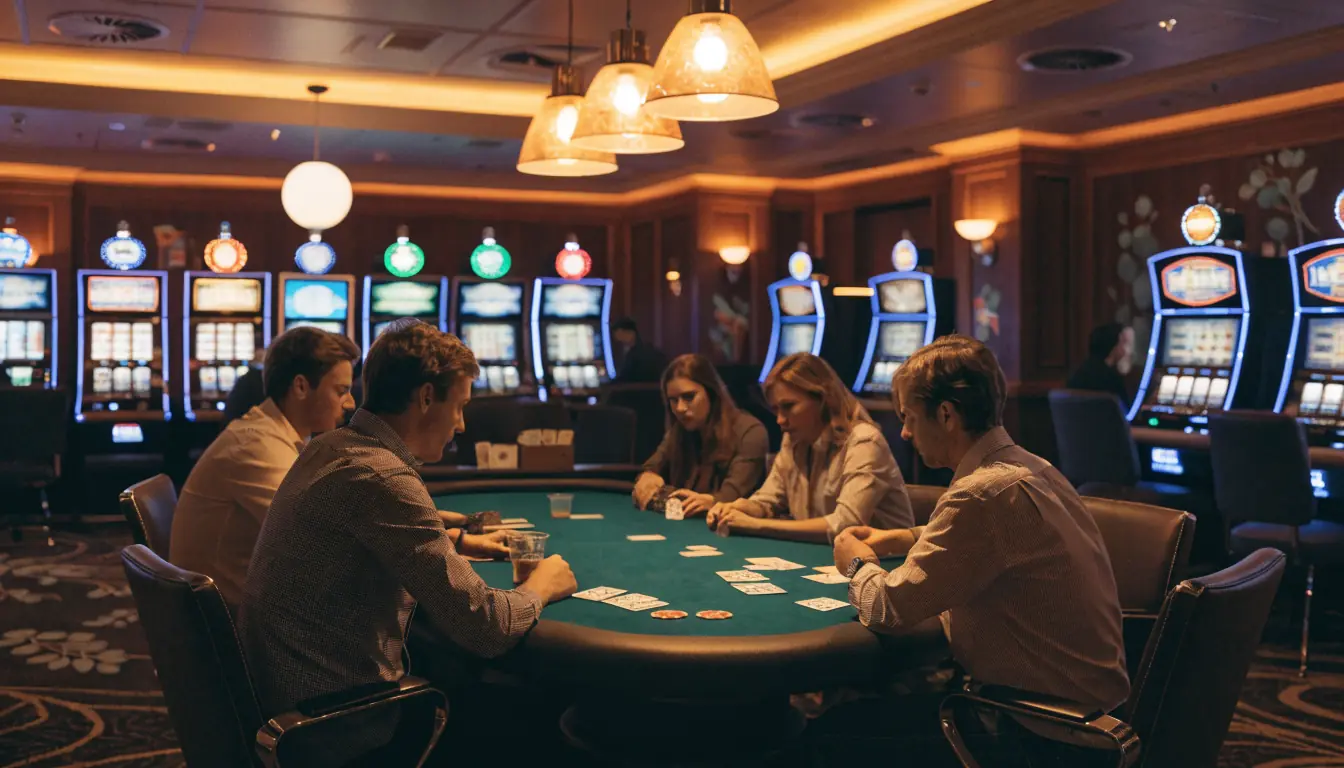
When looking at the best casino in hobart 2026, the poker offering sits in a strange place. It operates on an entirely different rhythm than the rest of the floor. Walk past the rows of pokies, and the energy shifts. Pokies are solitary, rapid, and built around a single player staring at a screen. Poker is a table game, slow and social, dependent on human interaction. The difference is not just in the mechanics of the game, but in how the room itself functions.
Pokies dominate the floor space in almost every Australian venue. It is easy to see why. They do not require dealers, pit bosses, or scheduled maintenance breaks. They run continuously. Poker, by contrast, requires dedicated staff, specific tables, and a critical mass of players to get a game running. I have seen venues shut down their tables entirely on weeknights simply because there were not enough bodies in the seats to justify the dealer’s wage.
The broader context of this demand is impossible to ignore. According to 2022 data, 72.8% of Australian adults gambled in the previous twelve months. A significant portion of that engagement happens on pokies. Digging deeper into the habits of that demographic, 38% of Australian adults gambled at least once per week. That weekly frequency is the lifeblood of table games. Poker needs that regular, returning traffic to keep tables open. Without a dedicated core of players showing up regularly, a poker room cannot sustain itself.
Since online casinos can be played from anywhere in Australia, including Hobart, it helps to know which platforms offer solid licensing, fair bonus terms and reliable payouts before you sign up.
License: Curacao OGL/2024/1335/0780 · Bonus: up to A$1,000 + 150 free spins, wager-free · Min. deposit: EUR 20 Licensed under a Curacao OGL registration, this operator stands out for a wager-free bonus structure worth up to A$1,000 plus 150 free spins, with a modest minimum deposit.
License: Curacao · Bonus: 100% up to A$500 + 200 free spins, 10x wagering · Payout speed: crypto 30-60 minutes, fiat 1-5 days · Min. deposit: A$10 Holding a Curacao license, it pairs a sizeable welcome package of up to A$500 plus 200 free spins with fast crypto payouts and a low entry deposit.
License: Curacao eGaming (Dama N.V.) · Bonus: up to A$10,000 + 180 free spins, 40x wagering Operating under a Curacao eGaming license via Dama N.V., it offers one of the larger bonus ceilings on this list at up to A$10,000 plus 180 free spins, though the wagering requirement is on the higher side.
License: Curacao · Bonus: up to A$10,000 multi-stage + 500 free spins · Min. deposit: A$20 (POLi) Licensed in Curacao, it features a substantial multi-stage bonus reaching up to A$10,000 with 500 free spins, and accepts POLi deposits from a low minimum.
Bonus: up to A$7,500 + 550 free spins across 10 deposits, 50x wagering · Payout speed: crypto under 1 hour, PayID 1-3 business days · Min. deposit: A$20 (A$30 to qualify for the bonus) A generous multi-deposit bonus program totalling up to A$7,500 and 550 free spins is backed by quick crypto withdrawals and PayID processing within a few business days.
License: Curacao Gaming Control Board OGL/2023/176/0095 (Hollycorn N.V.) · Bonus: up to A$5,000 + 300 free spins across 4 deposits Licensed by the Curacao Gaming Control Board under Hollycorn N.V., it spreads a bonus of up to A$5,000 plus 300 free spins across multiple deposits.
License: Curacao · Bonus: up to A$2,000 Holding a Curacao license, this operator keeps things straightforward with a welcome bonus of up to A$2,000.
Bonus: 100% up to A$750 + 200 free spins, 35x wagering · Payout speed: crypto 30-120 minutes, fiat 24-72 hours · Min. deposit: A$30 A welcome offer of up to A$750 plus 200 free spins comes with a moderate wagering requirement, alongside fast crypto payouts and quick fiat processing.
Bonus: up to A$750 + 50 jackpot spins, 35x wagering · Payout speed: crypto ~90 minutes, fiat 1-5 days · Min. deposit: A$30 This operator combines a bonus of up to A$750 with 50 jackpot spins, backed by swift crypto payout times and a low minimum deposit.
License: Curacao Gaming Control Board · Bonus: up to A$5,000 + 400 free spins Licensed through the Curacao Gaming Control Board, it offers one of the more generous packages here, up to A$5,000 plus 400 free spins.
The reality of the player base also skews surprisingly young. Nearly 46% of 18 to 19-year-olds in Australia engage in gambling. That demographic is often drawn to the perceived skill element of poker, preferring to test their logic against other players rather than relying purely on the RNG that governs pokies. Even outside the legal adult bracket, the interest is there: approximately 30% of 12 to 17-year-olds engage in gambling. By the time they reach the legal minimum age of 18, many already understand the basic mechanics of the game. When they finally walk into a licensed venue, they are not looking for a screen to tap; they are looking for a table to sit at.
Cash Games and Tournament Structures
Cash games and tournaments are the two formats that keep poker alive. They function on opposite principles.
Cash games are fluid. Players come and go, swapping their money for chips at the table. You can sit down, play a few hands, and stand up to leave at your own pace. This is the format that most resembles the spontaneous nature of pokies—you show up when you want, and you leave when you want. However, cash games only run if the venue has enough players to fill a table. If the room is empty, the cash game does not exist that night.
Tournaments operate on a strict schedule. Players register in advance, pay a fixed entry fee, and receive a starting stack of chips. The blinds increase on a timer, forcing action and eliminating players until one person holds all the chips. Tournaments are easier for venues to manage because the staff and the tables are guaranteed to be occupied. A scheduled event brings people through the door on a specific night, creating a concentrated burst of activity that cash games cannot guarantee.
The Role of the Sports Bar
The divide between the poker room and the general casino floor is mirrored by the divide between the poker room and the sports bar. The sports bar in a Hobart venue is not just a place to grab a drink. It is a functional extension of the gaming environment. It operates as a holding area for players waiting for a tournament to start, or a space for eliminated players to watch a race while they decide whether to buy back into a cash game.
Screens in a sports bar pull double duty. They show live sports, but they also serve the betting clientele. Legal online sports betting operates under state and territory licences in Australia. Unlike online casino games, which are prohibited federally under the Interactive Gambling Act 2001, wagering on sports is entirely legal and actively facilitated. The sports bar provides the infrastructure for this legal wagering.
There is a regulatory quirk here that is worth noting. Live, in-play betting is illegal to place online in Australia, but placing that same live bet over the phone is legal. The sports bar, with its screens and betting terminals, bridges this gap. It gives players a reason to stay in the venue to watch the match while they use their phones to place their legal in-play wagers.
Meanwhile, the poker table sits adjacent to this noise. A poker player at a Hobart venue relies on concentration, reading physical tells, and tracking pot odds. The roar of a winning try in the sports bar or the digital jingle of a pokie machine does not mix with that environment. Because of this, poker rooms are usually sectioned off. They are built to isolate the player from the sensory overload of the rest of the venue.
Legal betting limit
Live, in‑play betting cannot be placed online in Australia, but it is legal when placed over the phone. Using the sports bar’s terminals to place a phone bet is the only compliant way.
Operational Realities and Checking Availability
The operational schedule of a poker room is vastly different from a pokie den. Pokies turn on and stay on. Poker requires dealers, chip counts, and physical seating.
Because table games rely on staff availability, running a poker room is a logistical challenge. A room might be open on a Friday night but completely dark on a Tuesday afternoon. Checking whether a venue has a poker game running right now is not as simple as checking if the front doors are unlocked. The casino itself might be open, but the tables might be closed and covered.
For anyone looking at the best casino in hobart 2026, the poker offering will always be the most volatile part of the schedule. It depends entirely on who walks through the door. The pokies will always be there, humming in the background. The sports bar will always have its screens on, facilitating legal wagers on the weekend’s games. But the poker room needs people. It needs the regulars, the weekly players, and the new adults walking in to test their skills. It is a game that relies on the community to exist. Without the players, the felt stays rolled up.
Accommodation Near Hobart Casinos
Finding a place to stay near the casino in Hobart comes down to understanding how the local hospitality market operates around the primary gaming precinct. When searching for accommodation, visitors are essentially looking for lodging that minimises the friction between their room and the gaming floor.
Australians placed bets totalling $244.3 billion in 2022–23. The sheer volume of this activity means the infrastructure surrounding gaming venues is highly developed. Hobart is no exception. The demand for convenient lodging drives a specific tier of hospitality: establishments that cater to patrons who want to walk to the pokies or the tables and retreat to a private room without navigating long distances or arranging transport.
Independent Hotels and Serviced Apartments
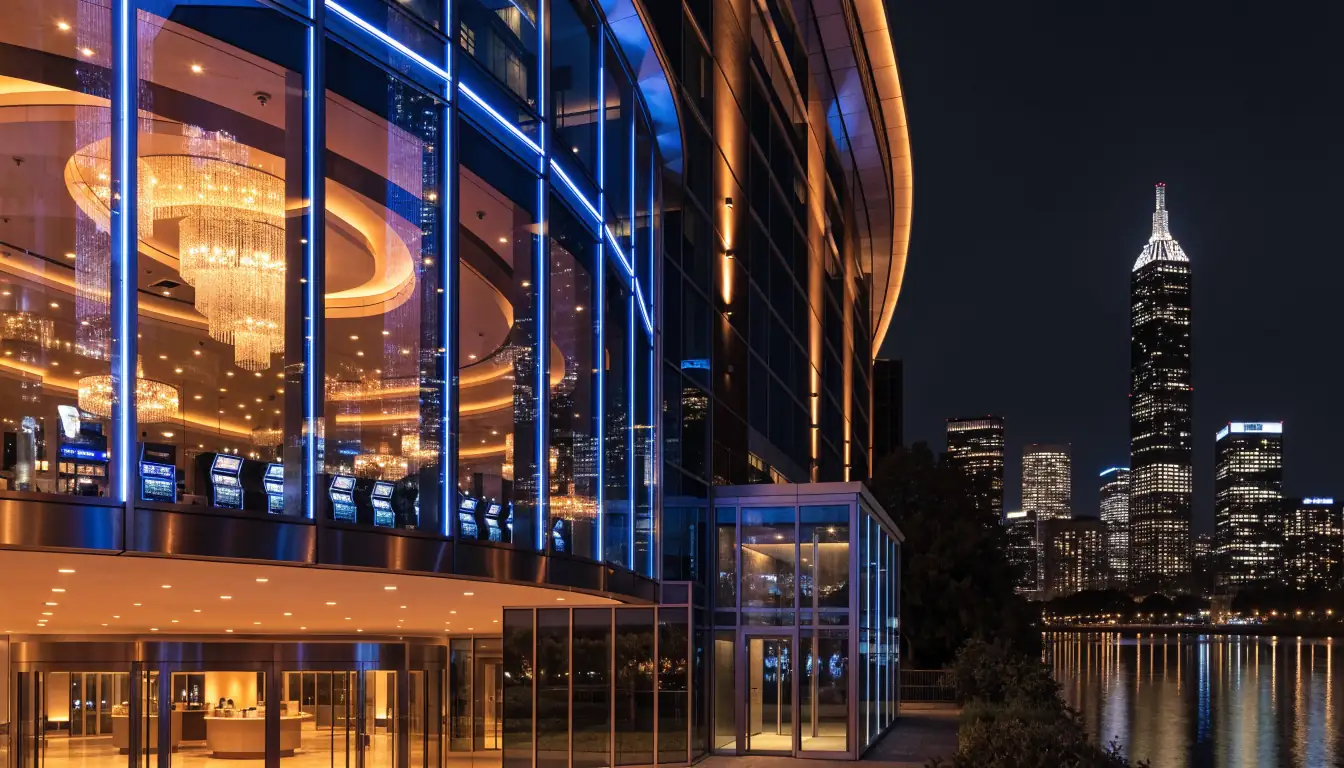
Within walking distance of the casino precinct, the accommodation market divides into independent hotels and serviced apartments. Each serves a distinct purpose for casino-going visitors.
Independent hotels prioritise immediate service. The value proposition is the presence of a front desk, daily room servicing, and immediate maintenance. For someone spending hours on the gaming floor, the ability to return to a serviced room is the core draw. These hotels manage occupancy based on foot traffic to the harbour area, adjusting availability to match the ebb and flow of visitors to the entertainment district.
Serviced apartments offer a different model. These units provide kitchen facilities, separate living areas, and laundry access. The appeal here is autonomy. Per-capita gambling bets were AUD 9,885 in FY 2020-2021, with a loss of AUD 1,200. These figures reflect a demographic that treats gambling as a sustained leisure activity rather than a fleeting visit. Serviced apartments cater to this behavioural pattern by allowing guests to settle in for longer durations, managing their own schedules, and reducing the overhead of eating out for every meal.
The Proximity Premium
Location dictates price in this market. Properties marketed as accommodation near Hobart casino venues command a premium based purely on distance. The convenience of walking to the venue—particularly during the evening or adverse weather—overrides other factors like room size or building age.
The market does not publish a formal registry of affiliated properties. Establishments simply price their rooms based on their proximity to the gaming precinct. A property two streets away will consistently outprice a comparable hotel further uphill, regardless of the view. This is the mechanics of the local market at work. The "casino location" premium is a standard line item in room rates, embedded into the base price. Visitors looking for accommodation deals must look at properties further from the core harbour precinct, trading the convenience of walking for a lower tariff.
Navigating Promotions and Deals
Searching for "hobart casino accommodation deals" often leads to third-party booking platforms. The reality of these promotions is straightforward: they are inventory management tools, not loyalty rewards. Hotels use discounted rates to fill rooms during off-peak periods. The casino itself does not subsidise these rates.
The lodging market operates entirely separately from the gaming floor. Discounts on rooms are generated by the hotel’s yield management system, not by the casino’s marketing department. When a booking site advertises a promotion tied to the casino location, it is leveraging the venue’s proximity as a marketing hook. The discount exists because the room would otherwise remain empty. Understanding this distinction helps in evaluating the actual value of a deal. The price reduction is a function of hotel occupancy, not casino patronage.
What Lodging Near the Casino Does Not Include
Booking a room near the gaming venue provides physical access, but it does not grant operational access to the casino’s internal systems. Visitors sometimes assume that proximity implies partnership. It does not.
The hotel’s amenities operate on hotel schedules. The casino’s operations, including its trading hours and gaming machine availability, run on entirely separate management structures. A room nearby does not mean the hotel staff can provide information about the casino’s opening times, adjust gaming machine settings, or offer insights into table game schedules. The two businesses operate in parallel.
Furthermore, accommodation deals do not translate into gaming advantages. There is no mechanism where booking a nearby room influences the outcome of a gaming machine or provides preferential treatment on the floor. The physical proximity is a matter of geography, not corporate integration. The hotel sells a bed and a roof; the casino sells a gaming experience. The two transactions remain separate, even when they occur on the same street.

The market for lodging around the Hobart casino is robust and functional. It provides options for every type of visitor, from those requiring the full service of a hotel to those preferring the independence of an apartment. The driver for all of these options is convenience. That is what the market sells.
Hotel Rooms Integrated with Casino Facilities
When property operators design an integrated casino resort, the architecture itself does the heavy lifting. The layout dictates the flow of guests, directing them past the gaming floors as they move between their rooms and the amenities. In Hobart, the primary casino property operates on this integrated model, where the hospitality and gaming offerings are physically connected, allowing visitors to access accommodation and the venue’s pokies and table games without stepping back out onto the street.
The Mechanics of an Integrated Layout
The primary appeal of an integrated setup is the removal of friction. A guest can wake up, head straight to a dining area, and filter into the gaming floor seamlessly. The venues are designed to keep guests within the ecosystem of the property. From an operational standpoint, this is a deliberate choice. Keeping guests on-site increases the likelihood that they will spend their time and money at the on-site bars, restaurants, and gaming tables, rather than wandering off the property to competing local businesses.
The design of these spaces often masks the transition from the hotel corridor to the casino floor. There is no harsh threshold, just a gradual shift in lighting, acoustic design, and interior decor that guides people into the gaming areas.
Financial Realities Inside the Complex
Spending money inside an integrated resort operates under a different financial reality than many visitors expect. For the duration of a stay, the electronic transactions blend together. A room charge, a dinner bill, and gaming losses all appear on the same statement if the guest uses their room key or account for purchases.
Gambling winnings are not taxed in Australia, so any money won on pokies or tables stays entirely in the player’s pocket.
It is worth keeping the broader economic picture in mind. While Australians placed bets totalling $244.3 billion in the 2022–23 financial year, gambling winnings are not taxed in Australia. This means that any wins secured on the pokies or tables downstairs remain entirely in the player’s pocket. The money stays liquid, easily transferred back into the accommodation or dining experiences offered within the same building. The lack of a tax burden on player winnings is a structural detail of the Australian market that makes the integrated hospitality model particularly lucrative for the operators, who retain all other spending on-site.
Evaluating the Integrated Experience
Our rankings for the best casino in hobart 2026 account for how well these properties merge the two halves of their business. The ranking formula weights bonus generosity, payout reliability, game library breadth, customer support responsiveness, and user-submitted feedback. When a hotel room is physically attached to the casino, the customer support metric extends beyond the gaming tables. It encompasses the front desk, the concierge, and the ability of staff to resolve issues that span both the hospitality and gaming sides of the operation.
A seamless experience requires back-of-house systems that communicate flawlessly. If a guest hits a jackpot on the pokies, the hotel staff must be equipped to assist with the payout process without delays. Reviewers deposit at least A$300 at each casino and test withdrawals to gauge this exact responsiveness. In an integrated resort, a withdrawal test also indirectly tests the hotel’s financial administration systems, as the cashier and the front desk often share underlying operational infrastructure.
Navigating the Legal Framework
The integration of hotel rooms and gaming facilities also intersects with strict regulatory boundaries. The Interactive Gambling Act 2001 (IGA) is the primary Commonwealth law governing gambling in Australia, introduced to protect the public with a focus on harm minimisation. There is a noted discrepancy in public records regarding the foundational text, as some sources cite the Interactive Gambling Act 1997 as prohibiting the provision of online casino games to Australian residents, while others point to the 2001 legislation. The current operational framework, however, relies on the IGA 2001.
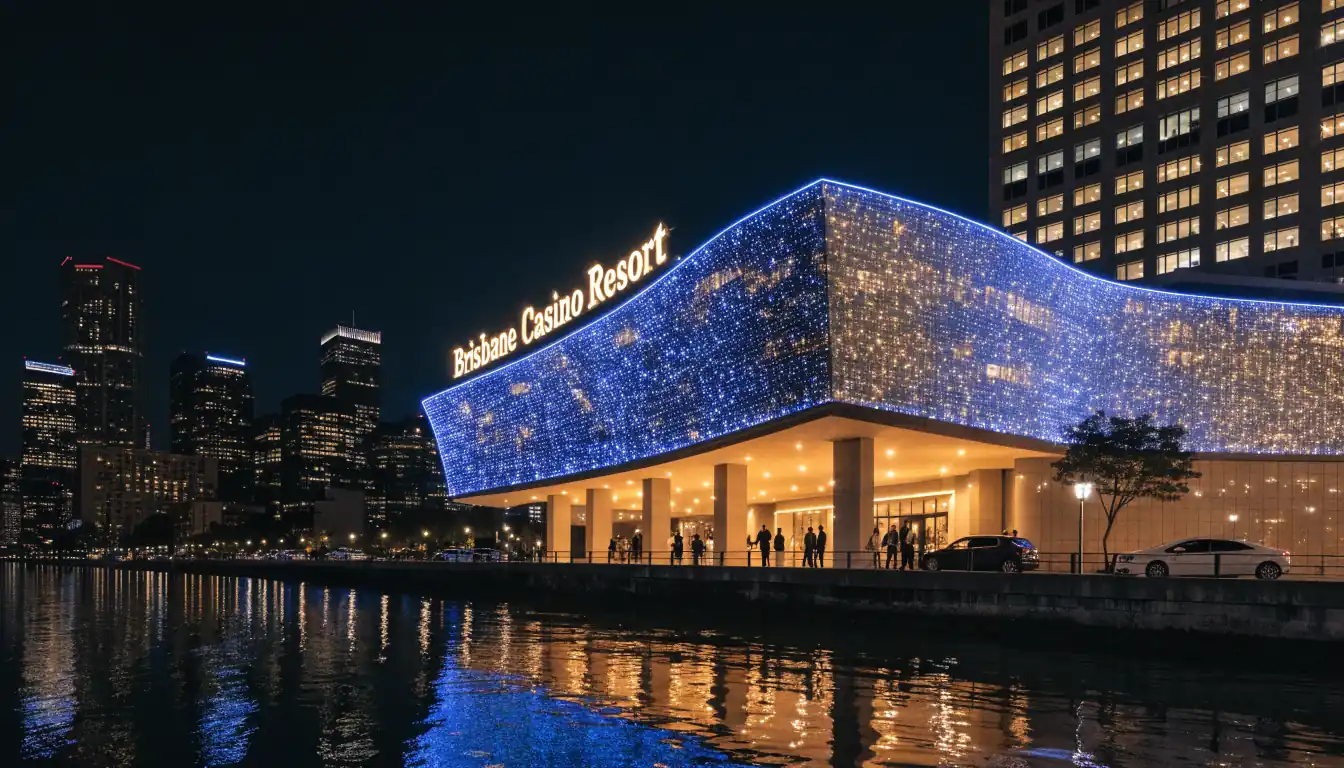
Domestically, the law targets operators, not individual players. It is not illegal for Australians to play at offshore-licensed online casinos, but there are no domestically licensed real-money online casino operators available to Australian players. The integrated hotel and casino model in Hobart operates entirely within the land-based regulatory framework, holding the necessary state licences for physical gaming. Online casino games, including slots, poker, blackjack, and roulette, remain prohibited under federal law, meaning the integration of services at these resorts does not extend to offering domestic online gambling platforms to guests in their rooms. The minimum age to access all casino offers remains strictly 18 years, enforced rigorously at the physical entry points of the gaming floor.
The physical desk handles the compliance checks. A physical room keeps the player on-site. That is the whole point.
Parking and Accessibility for Hobart Casino Guests
When I first started working on the floor, I quickly realised that the logistical layout of a casino dictates the entire guest experience. Before a single chip is bought or a menu is browsed, the visit begins in the car park. Searching for the best casino in Hobart 2026 inevitably leads to practical questions about how to actually get there. Parking is the silent pillar of hospitality; if the arrival is clunky, the rest of the night suffers.
On-Site Parking and Valet Services
Arriving at a casino in Hobart requires a bit of planning, particularly during peak hours. The primary venue offers on-site parking, but the dynamics change drastically depending on the day of the week. Searching for casino hobart parking usually means looking for the main entrance grid. Many visitors want to know about free parking hobart casino options. From my experience managing guest arrivals, I have seen the frustration when guests assume parking will always be complimentary. It often is on quieter weekdays, but event nights change the rules entirely.
Parking fees
Free parking is only available on quieter weekdays; on event nights the car park may be charged and valet service incurs an additional fee.
Then there is the matter of hobart casino valet parking. Valet is not just a luxury; it is a logistical necessity for the venue. Handing the keys over removes the stress of navigating a multi-level car park. For high-stakes players, valet service is often waved by the venue as a courtesy, but for the general public, it is an operational fee for convenience. I always advise checking the daily parking rates and valet availability directly with the venue before driving in.
Public Transport Links
Not everyone drives, and the logistics of public transport matter just as much. Hobart’s public bus network services the area surrounding the casino. If you are relying on public transit, the bus stops along the main arterial routes are a short walk from the front doors.
There is a distinct difference between the brick-and-mortar logistics and the digital landscape. People searching for a hobart online casino or hobart casino online are looking for an entirely different access model. They bypass transport entirely. The digital space in Australia operates under complex regulatory frameworks. There is no single overarching statute or overarching gambling authority regulating gambling in Australia; regulation occurs at both state and territory levels as well as the federal level. The Australian Communications and Media Authority (ACMA) is the federal regulator that enforces the Interactive Gambling Act 2001. Yet, for digital wagering and online bookmakers, the Northern Territory Racing Commission (NTRC) acts as the de-facto regulator, since it licenses most national online bookmakers who benefit from lower tax structures. Understanding this regulatory split is vital. It explains why an online casino hobart product operates under different rules than a physical venue.
Accessibility Services
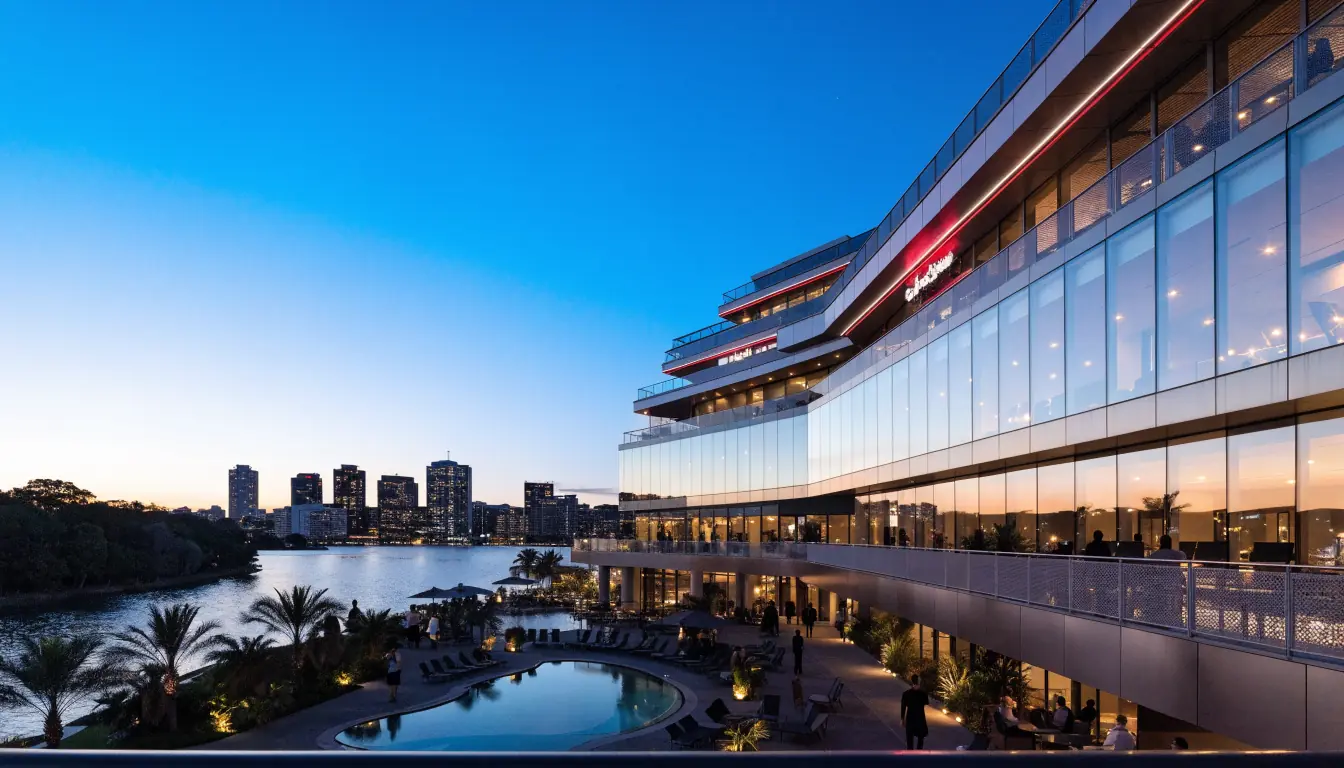
Physical accessibility is an area where venues must execute flawlessly. Beyond standard wheelchair ramps and designated parking bays, true accessibility involves trained staff and proactive service. Lifts must service all public floors, including gaming areas and dining spaces. When patrons search for hobart casino bingo or casino dining hobart, they are looking for specific amenities. Access to those amenities must be equal.
Staff are trained to assist with mobility aids and direct guests to accessible facilities. I have spent hours coordinating with security to ensure clear pathways for guests using wheelchairs during crowded events. The layout dictates the flow, and clear signage prevents bottlenecks. Practical logistics always trump flashy architecture.
Contact Details and Customer Service Channels
When a payout stalls or a table game query arises, communication channels dictate the experience. A physical venue handles queries differently than a digital help desk, and understanding these touchpoints matters. It is industry practice to route specific inquiries—such as casino bar hobart event schedules or concert ticketing—through reception switchboards, while leaving game-related disputes to floor managers. Finding the right hobart casino contact method prevents administrative runaround.
For direct inquiries, physical contact points remain the most reliable. A central hobart casino contact number connects callers to a switchboard that dispatches calls to specific departments. Whether someone is asking about the casino bar hobart operating hours, inquiring about the car park hobart casino validation process, or seeking directions using a hobart casino map, the front desk provides the operational baseline. Floor staff handle immediate table disputes; queries regarding specific table games like hobart casino baccarat or hobart casino craps are addressed by pit bosses, who possess the authority to resolve rule clarifications instantly.
Contact options
The main Hobart casino phone number connects callers to a switchboard that routes calls to reception, security, or specific game supervisors. For online operators, live‑chat and email are used for payout queries and identity verification.
The digital landscape for Australian players operates differently. Offshore platforms facilitate interactive gambling, as federal legislation prohibits the domestic provision of these services. Finding a casino hobart contact number for an offshore operator relies on their published digital infrastructure. Live-chat functions serve as the primary tool for resolving payout issues. If a withdrawal stalls, chat agents initiate the verification protocol. Government-issued identity documents must clear before any funds release. Email channels handle complex disputes, generating traceable records for formal complaints. Operators do not publish a centralised registry of these contact details, making independent verification difficult.
Rankings on Casino Crypto Guide reflect these backend communication structures. Evaluators do not glance at a homepage and assume functionality; they test the infrastructure. Reviewers deposit at least A$300 at each platform and test the withdrawal pipeline directly. This process assesses how customer service handles identity verification requests and withdrawal approvals. If a support agent stalls a cashout without cause, that failure impacts the operator’s standing.
Casino rankings are recalculated every week using a weighted formula. The system prioritises elements that directly affect user funds and communication efficiency:
- Bonus generosity: 30%
- Payout reliability: 25%
- Game library breadth: 20%
- Customer support responsiveness: 15%
- User-submitted feedback: 10%
Customer support responsiveness holds a 15% weight in this formula. This metric measures how quickly operators resolve withdrawal queries and verification hurdles. An operator with unresponsive live-chat or buried contact details loses ranking position. The scoring system evaluates bonus transparency, cashout speed, customer care, and licensing integrity. Fast, accessible support indicates operational competence; unanswered emails indicate structural deficiency. The formula ensures that platforms lacking reliable communication channels drop down the list.
For physical venue logistics, locating the correct hobart casino contact number remains the primary step. Calling ahead confirms table availability for games like hobart casino baccarat or hobart casino craps, verifies high-demand hobart casino concerts schedules, and clarifies parking terms for the car park hobart casino facilities. The structural reality of land-based venues requires direct voice confirmation for real-time conditions. When checking a hobart casino map, users see the layout of amenities, including the casino bar hobart location, but real-time availability requires direct contact. Digital platforms substitute voice verification with live-chat logs and email tickets, creating a paper trail for any payout disputes. Operators who fail to maintain these contact channels face immediate ranking penalties.
Dining Buffets, Breakfast Options, and Employment Opportunities
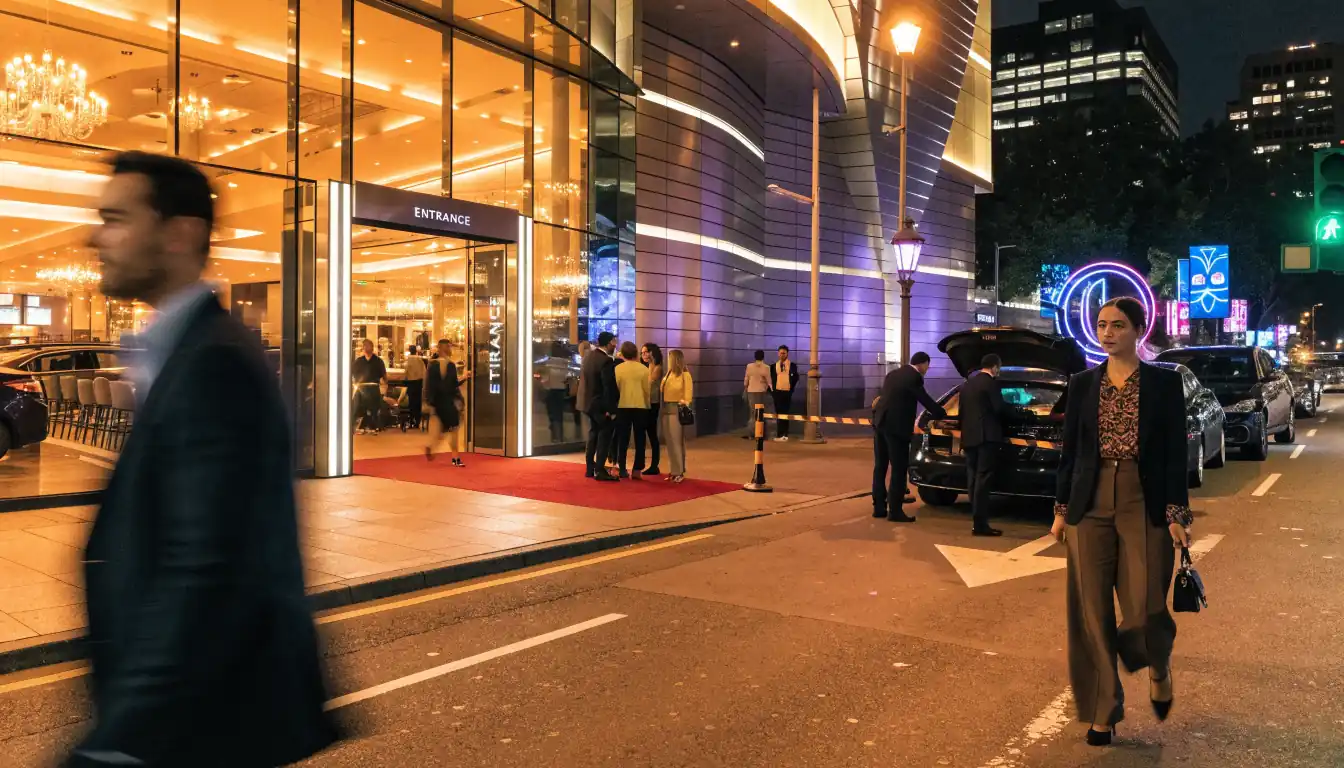
A casino resort Hobart property operates as an integrated hospitality precinct. While the gaming floors draw the crowds, the operational machinery of the venue relies heavily on its food and beverage infrastructure. Breakfast service, in particular, dictates the morning rhythm of the hotel, transitioning the venue from a late-night entertainment hub to a daytime lodging operation.
Morning Meals and Buffet Spreads
The Hobart casino buffet setup caters to overnight guests and early arrivals. A buffet breakfast Hobart offering within these complexes typically prioritises volume and speed, designed to move hundreds of guests through the dining area efficiently. The Hobart casino breakfast experience differs from standalone cafes in the CBD; here, the focus is on consolidated convenience. By keeping morning meals within the same building as the lodging and gaming floors, the venue captures the entire hospitality cycle of a guest.
When assessing the value of a casino breakfast Hobart visitors receive, it helps to understand how industry evaluation frameworks operate. The reviewer landscape relies on verified, structured testing rather than marketing claims. Reviewers deposit at least A$300 at each casino and test withdrawals to ensure the financial mechanics of an operator are sound before any hospitality or accommodation rankings are published. This ensures that the operational side of the business actually functions before guests arrive for a buffet.
Legal Frameworks and Operational Discord
Operating a Hobart casino resort requires navigating a complex web of federal and state regulations. Food service operations within these venues must strictly adhere to local health and hospitality standards. However, the broader regulatory environment governing the casino floor itself is subject to conflicting legislative histories.
Regulatory discrepancy
Some sources cite the Interactive Gambling Act 1997, while current enforcement relies on the Interactive Gambling Act 2001; relying on the older reference may lead to misunderstanding of legal obligations.
Sources present a discrepancy regarding the foundational legislation governing these operations. One set of regulatory guidelines states that the Interactive Gambling Act 1997 prohibits the provision of online casino games to Australian residents. Conversely, other official records and market regulators cite the Interactive Gambling Act 2001 as the primary Commonwealth law governing gambling in Australia, introduced with a focus on public harm minimisation. Rather than obscuring this discrepancy, it must be stated plainly: the regulatory timeline contains conflicting foundational dates. The IGA 2001 remains the cornerstone of current enforcement, but the persistence of the 1997 reference in some regulatory summaries highlights a fragmented historical record.
Employment Within the Complex
Because a casino resort is essentially a self-contained hospitality ecosystem, it requires a massive workforce to maintain daily operations. The spectrum of Hobart casino jobs spans far beyond the dealers and floor supervisors visible to the public. The bulk of casino jobs Hobart comprises kitchen staff, buffet attendants, sous chefs, logistics coordinators, and maintenance crews. Food service is labour-intensive, and the demand for trained hospitality professionals in these precincts is continuous.
Securing a job at Hobart casino facilities means entering a strictly regulated workplace. The minimum age to access casino offers is 18 years, and this restriction applies just as rigidly to employment as it does to patrons. A casino job Hobart posting for a buffet attendant or a hospitality manager requires the same identity verification and compliance checks as the gaming floor staff.
Career Structures and Player Perks
The human resources structure of these resorts separates gaming operations from general hospitality, though staff often share facilities. Employment in the food and beverage sector of a casino does not automatically grant access to the gaming floor; the licensing requirements for handling pokies and table games are distinct from food safety certifications.
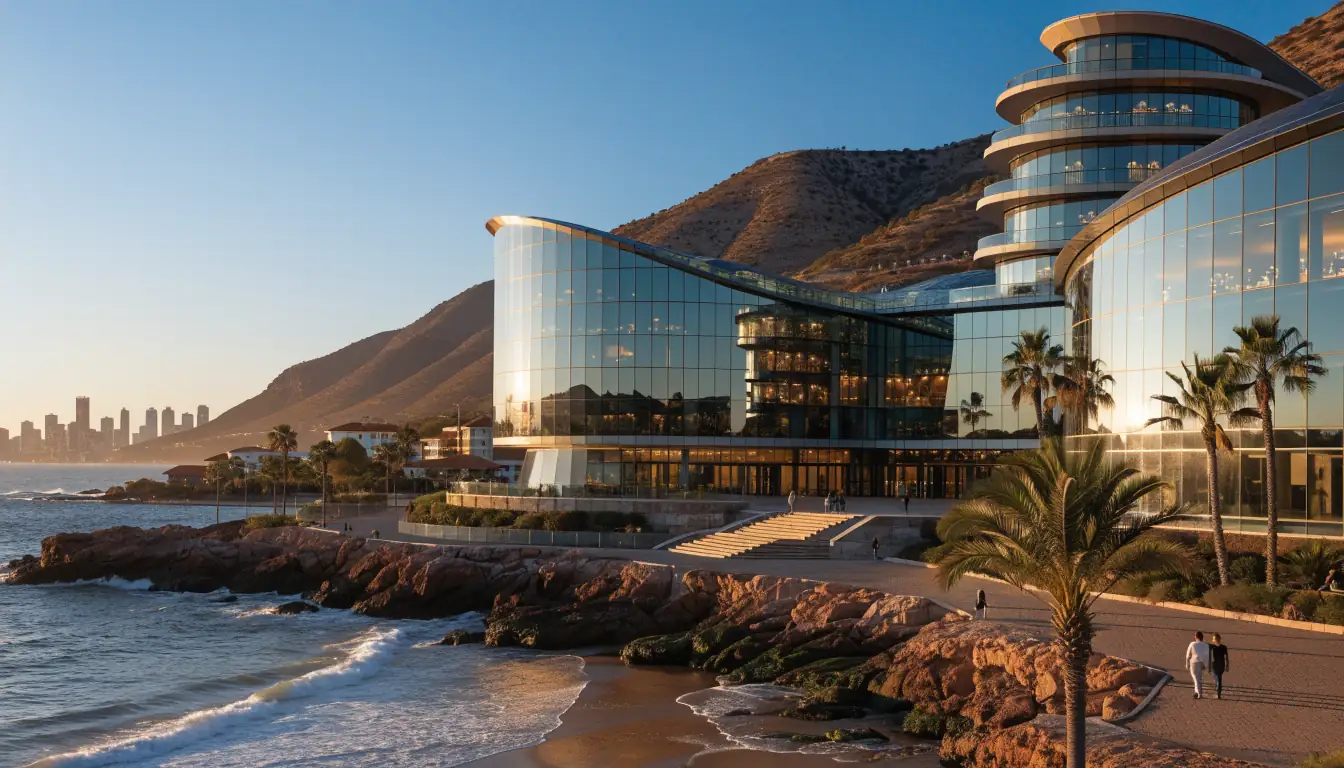
For patrons, the Hobart casino rewards programs often intersect with dining. Loyalty schemes are designed to track guest spending across the entire precinct, not just at the tables or machines. Points accumulated through overnight stays or a paid breakfast can sometimes be redeemed within the broader resort ecosystem. The internal mechanics of these rewards programs are straightforward data-tracking exercises, designed to keep guests within the perimeter of the complex. Operators do not publicly disclose the internal weightings of these loyalty algorithms, but the operational goal remains consolidation: keeping dining, lodging, and gaming expenditure under one roof.
Opening Hours, Events and Ongoing Developments at Hobart Casinos
Brick-and-mortar venues operate on fundamentally different schedules and logistical frameworks than their digital counterparts. When compiling a property review, the operational timing of a physical establishment is a distinctly different metric from its static contact information. Knowing when a venue is open, what events it hosts, and how its physical infrastructure is evolving provides a clearer picture of the on-the-ground reality than a phone number or email address ever could.
Operational Timings and Reopenings
Physical gaming floors do not run on the perpetual, server-driven uptime of offshore digital platforms. Online casino style games, including slots, poker, blackjack, and roulette, are prohibited under the Interactive Gambling Act 2001. Consequently, the legal gambling market in Australia relies on regulated, land-based venues that require staff, security, and physical maintenance. This dictates specific opening hours for gaming rooms, hospitality services, and entertainment spaces.
Periodically, venues undergo refurbishments that necessitate temporary closures. A casino reopen schedule is a logistical necessity of construction, not a marketing tactic. When a Hobart casino undergoes structural upgrades or interior remodelling, the reopening timeline is dictated by local building compliance and construction progress. Tracking a Hobart casino reopening requires checking direct operational updates, as these timelines are subject to physical contractor dependencies rather than corporate discretion.
Entertainment and Event Calendars
Gaming tables and pokies are only one component of a modern integrated resort’s revenue model. Hobart casino entertainment schedules drive visitation through live performances, ticketed shows, and seasonal activations. These events operate independently of the gaming floor’s daily schedule. A venue might restrict entry to its performance theatre based on ticketed session times, while the surrounding bars and lounges operate on standard hospitality hours.
Events such as concerts and shows drive peak occupancy and encourage guests to stay for both entertainment and gaming.
Scheduled performances require advance ticket purchase, creating a concentrated burst of activity that benefits bars and dining areas.
Special holiday or themed activations add variety to the venue’s calendar and attract additional foot traffic.
Event calendars serve as a primary drawcard. Reviews of Hobart casino events routinely note that live entertainment dictates peak occupancy periods. Venue operators use these activations to manage crowd flow, directing patrons toward dining and hospitality sectors before and after scheduled performances. This diversification separates the operational reality of a physical venue from the solitary, continuous nature of prohibited online play. It is not illegal for individual Australians to play at offshore-licensed online casinos; the law targets operators, not players. However, legitimate local entertainment and hospitality remain strictly regulated, physical experiences.
Ongoing Developments and Menus
The physical footprint of a Hobart casino is never static. Hobart casino development involves continuous upgrades to gaming floor layouts, hospitality infrastructure, and accessibility infrastructure. These developments are subject to local council approvals and environmental planning assessments. Progress is publicly documented through development applications, offering a transparent record of a venue’s expansion or renovation trajectory. Any structural enhancement, from adding new hospitality wings to upgrading event spaces, follows a rigid municipal framework.
Operational menus and service offerings shift in tandem with these physical developments. A Hobart casino menu is not a fixed document; it rotates based on seasonal supply chains, kitchen capabilities, and the specific events scheduled on a given evening. Large-scale functions alter standard service, requiring pre-set banquet configurations rather than standard a-la-carte offerings. Reviewing a venue requires accounting for these fluctuating operational layers.
A Hobart casino review that only assesses the gaming options misses the operational reality. The viability of these venues relies on integrating gaming with structured entertainment schedules, responsive dining menus, and ongoing property development. The physical space dictates the schedule. The schedule dictates the patron flow.
Spa Services and Wellness Amenities
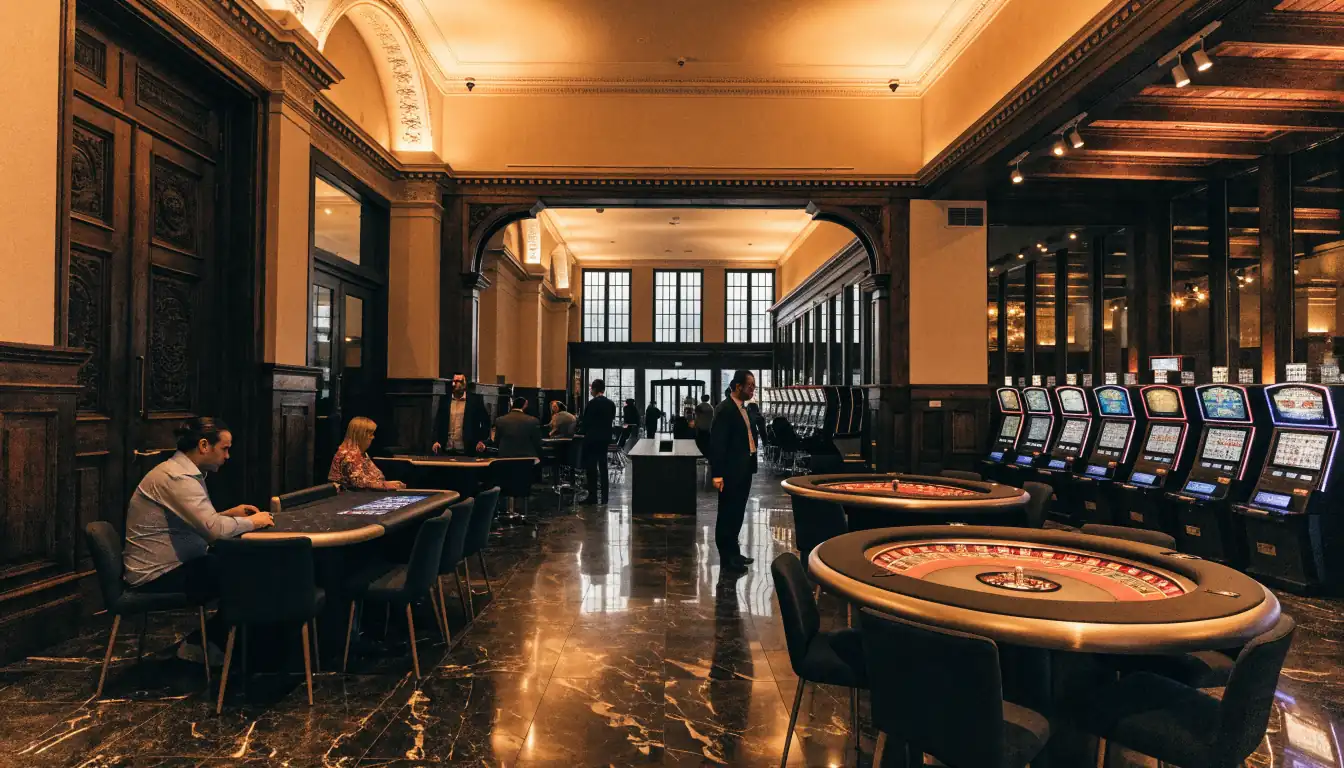
The marketing materials for integrated resorts always pair the gaming floor with a luxury spa. The concept is simple: you take a break from the table, walk down a corridor, and reset. In practice, the operational division between the casino floor and a wellness centre is absolute. Casino operations run continuously, while a day spa operates as a standard hospitality business with fixed hours, separate staffing, and distinct management.
When visitors search for a Hobart casino spa, they are usually looking for a way to decompress after a long session at the tables or a late night at one of the venue’s casino bars. Hobart’s integrated resort model theoretically provides this. You can book a treatment without leaving the building, which is the primary selling point of an integrated property. However, the experience inside the treatment room is functionally detached from the gaming floor. The staff working in the wellness centre are not casino employees; they are hospitality professionals focused on spa operations.
The distinction matters because it dictates how you schedule your visit. A casino floor does not close, but a day spa certainly does. If you plan to use wellness facilities, you have to align your schedule with the spa’s operating hours, not the gaming tables. You cannot simply finish a hand, walk down the hall, and expect a massage at any hour of the night.
The regulatory environment also keeps these two worlds entirely separate. The Interactive Gambling Act 2001 prohibits the provision of online casino, poker, and in-play betting to Australian residents, and federal law strictly regulates physical gaming operations at the state level. This intense regulatory scrutiny stops at the spa door. Wellness centres operate under standard health and hospitality regulations, not gambling legislation. Because physical casino operators must enforce strict compliance on the main floor—including identity verification before any cashout and rigid tracking of gaming activity—the spa remains a standard commercial sanctuary.
Spa vs casino hours
The casino floor operates continuously, whereas the day spa follows standard hospitality opening hours. Visitors must plan spa visits according to the spa’s schedule, not the 24/7 gaming floor.
Visitors checking the casino Hobart address for a quick trip need to understand that the gaming venue and the spa share a geographic location but not an operational culture. The presence of a wellness centre within a gaming complex does not soften the rigid rules of the gaming environment. Responsible gambling messaging, mandatory self-exclusion registries like BetStop, and strict age limits of eighteen years and over govern the casino floor. The spa operates as a standalone hospitality service that just happens to sit within the same building footprint.
Using a spa inside a casino complex requires planning around the wellness centre’s hours, not the casino’s schedule. The proximity is a convenience, not an extension of the gaming experience. The two businesses share a postcode and a lobby, but little else.
Restaurant Choices Inside and Around Hobart Casinos
When visitors look into dining at a casino in Hobart, Australia, they often expect a straightforward culinary landscape. In practice, the sit-down restaurant offerings inside the venue operate under strict regulatory oversight. While the venue provides physical dining environments, it is critical to understand the broader legal framework: it is illegal to offer online casino gambling in Australia, and it is not possible to obtain a licence to operate an online casino domestically. This means the dining and gaming experiences are strictly separated in the physical venue, with dedicated areas for food that do not overlap with digital wagering. Furthermore, live in-play online betting is illegal in Australia, though live betting by phone remains legal, adding another layer of distinction to how hospitality and gaming intersect on-site.
The sit-down restaurants within the Hobart casino complex provide a structured environment distinct from the faster, more transient buffet sections. The focus here is on standard a la carte service, table reservations, and dedicated waitstaff. Operators construct these spaces to keep patrons engaged within the broader resort footprint. When a venue provides a physical dining room, the objective is straightforward: extend the duration of a patron’s visit by removing the need to leave the premises for a meal. Separately, a casino rooftop bar in Hobart often serves as a premium overlay. Rooftop bars capitalize on the city’s scenery and evening atmosphere, functioning primarily as lounge spaces rather than high-turnover gaming floors.
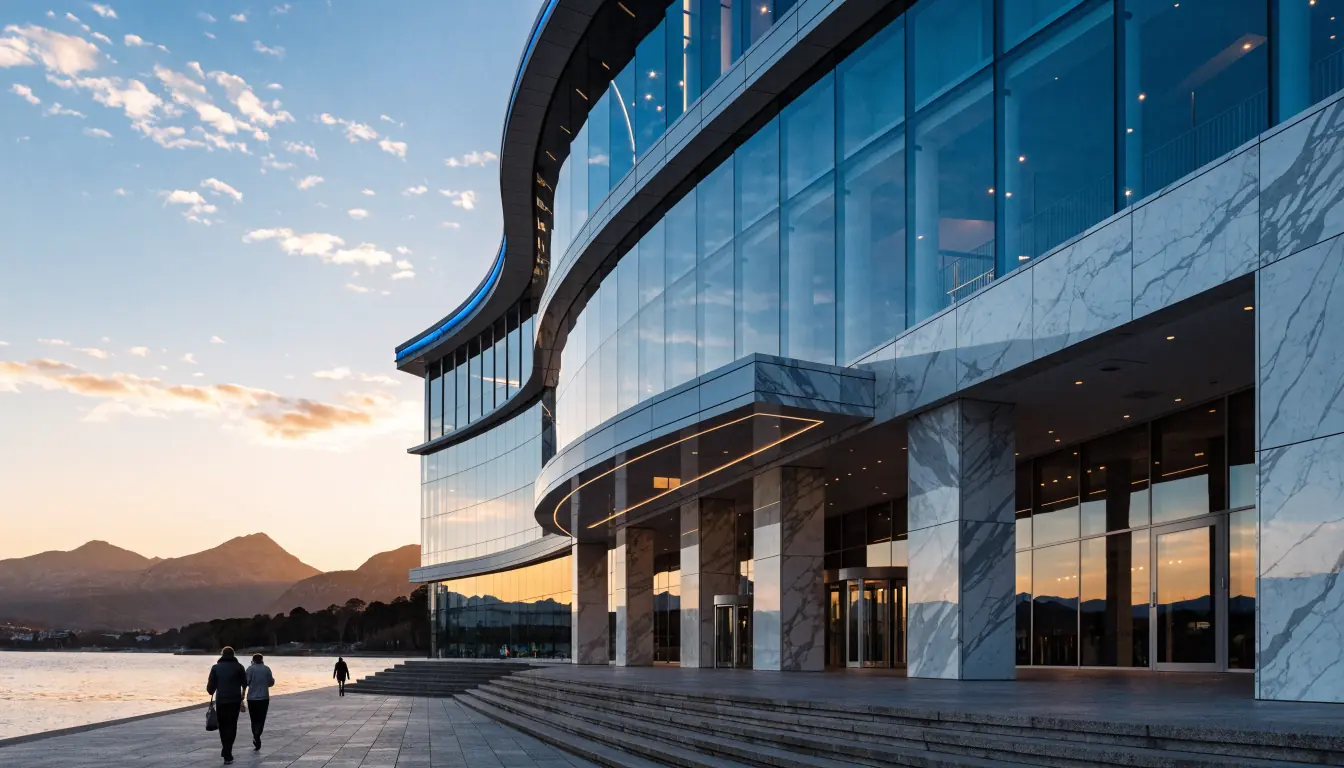
Casual eateries and nearby dining spots surrounding the Hobart casino provide alternatives for patrons who prefer to step outside the gaming environment. The immediate vicinity offers standard pub fare and independent restaurant choices. These external establishments operate independently of the casino’s hospitality structure. The regulatory environment shapes these neighbouring businesses as well. The legal landscape governing the broader industry makes no provision for domestic real-money online casino operators, reinforcing the necessity of physical, bricks-and-mortar establishments for in-person dining and wagering.
A common assumption is that the presence of a premium restaurant indicates a corresponding premium online gaming portal. The reality is starker. The domestic market legally restricts the integration of digital casino services. Patrons seeking physical sit-down dining and those looking into the casino’s gaming facilities interact with entirely separate operational structures.
The industry relies on physical foot traffic. Without domestic digital licensing, operators lean heavily on physical amenities—rooftop bars, in-house restaurants, and adjacent partnerships—to maintain relevance. Operators build dining environments to anchor visitors. When evaluating restaurants at the Hobart casino, patrons access standard hospitality services entirely distinct from the restricted digital gaming sphere. The hospitality component stands alone.
Food Courts and Pool Areas: What to Expect
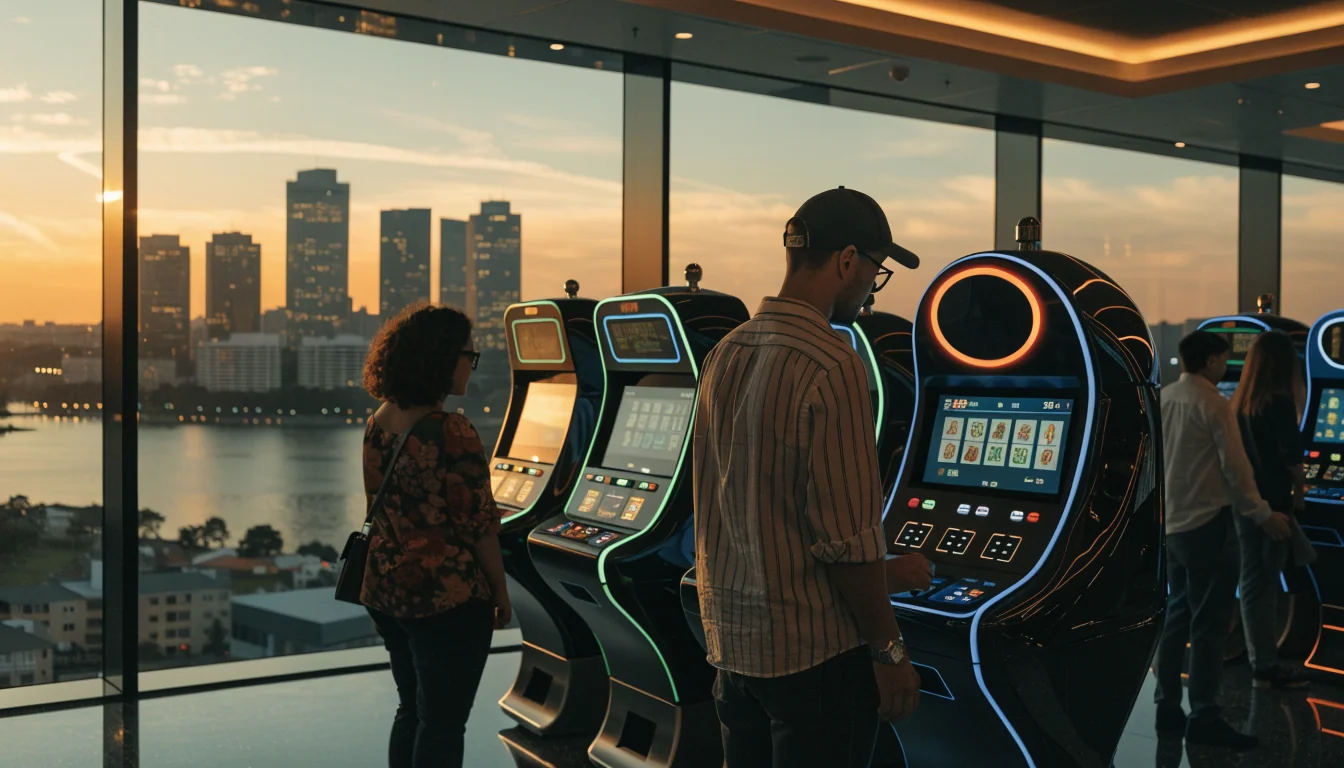
The layout of Hobart casino complexes blends concentrated dining with leisure facilities. Rather than scattered eateries, the property consolidates quick-service options into centralised food courts. This setup keeps the flow of foot traffic moving, allowing visitors to grab a meal without drifting far from the main gaming floors. The food court format contrasts with the formal restaurant choices available elsewhere in the venue, focusing on speed and convenience for guests who want to eat and return to the pokies or tables.
When looking at broader recreational infrastructure, the inclusion of pool areas in casino complexes serves a specific purpose: keeping guests within the property’s ecosystem. A leisure pool provides a designated downtime zone. After navigating the gaming floors — an environment where gambling losses across Australia amounted to $31.5 billion in 2022–23 — access to a pool offers a physical break from the continuous sensory load of the casino.
Operators design these pool areas as integrated hospitality features, not standalone public aquatic centres. They exist to complement the integrated hotel rooms and spa services, ensuring guests have no practical reason to leave the complex for leisure. For visitors balancing their time between dining and gaming, the proximity of a food court to a leisure pool creates a self-contained loop. Everything required for a multi-day stay remains within a short walk of the main floor.