
Best Casino in Queensland 2026: Full Guide
 Available in AU
- Regulatory Landscape for Queensland Casinos
- Casino Hotels in Queensland
- Gaming and Poker Facilities
- Buffet and Breakfast Offerings
- Restaurants and Culinary Experiences
- Spa and Wellness Services
- Parking and Accessibility
- Accommodation Near the Casino
- Contact Points: Bars, Baccarat, Events
- Opening Hours and Operational Details
- Food Courts and Pool Areas
Regulatory Landscape for Queensland Casinos
Australia does not have a single overarching statute or a single overarching gambling authority. The regulation of casinos is split. Federal law handles one domain; state and territory legislation handles another. In Queensland, physical casino operations sit entirely within the state jurisdiction, while the federal apparatus governs the digital space.
The federal layer
The Commonwealth’s primary instrument for managing gambling harm is the Interactive Gambling Act 2001 (IGA). The legislation prohibits the provision of online casino-style games — including pokies, poker, blackjack, and roulette — to Australian residents. It is illegal to offer online casino gambling domestically, and it is not possible to obtain a licence to operate an online casino within Australia. The law targets the operators, not the players. It is not illegal for an individual to use an offshore-licensed platform, though there are no domestically licensed real-money online casino operators available.
Some historical records cite the Interactive Gambling Act 1997 as the statute prohibiting the provision of online casino games. The sources diverge on the year. The federal regulator responsible for enforcing the current Interactive Gambling Act 2001 is the Australian Communications and Media Authority (ACMA). ACMA enforces the federal prohibition on online casino, poker, and in-play betting, though live sports betting placed over the phone remains legal.
The state layer
While ACMA manages the online prohibitions, the physical casino floors in Queensland operate under state-level regulation. State and territory governments issue the licences for land-based casinos and oversee their daily compliance, taxing structures, and physical security requirements. The federal Interactive Gambling Act does not dictate how Queensland licenses its physical venues; it only steps in to prevent those venues from offering prohibited online casino products to residents.
Gambling winnings are not taxed in Australia. State and territory governments collect revenue from gambling operations through point-of-consumption taxes and licence fees, rather than taxing the individual player’s payout.
Operational compliance
Operators and reviewers face strict parameters. The minimum legal age for any casino offer is 18 years. Reviewers must deposit at least A$300 at each casino and test withdrawals to verify operational integrity. Each casino listing is scored on bonus transparency, cashout speed, customer care, and licensing integrity. Operators must not pay for placement in rankings.
When assessing the best venue, the rankings are recalculated every week using a weighted formula. The formula weights bonus generosity at 30%, payout reliability at 25%, game library breadth at 20%, customer support responsiveness at 15%, and user-submitted feedback at 10%. Any welcome bonus is restricted to first-time registrations and must only be offered to users who are 18 years of age or older.
Operators must display wagering requirements clearly upfront before offering any bonus. Identity verification, using a government-issued ID, is required before any withdrawal is processed. Credit cards and digital currencies are not accepted for deposits or betting. Operators must provide clear and accessible complaint procedures and alternative dispute resolution membership information on their websites, alongside mandatory responsible-gambling messaging.
Casino Hotels in Queensland
Before picking where to play in Queensland in 2026, it helps to see how licensing, bonus terms, and payout speed stack up across operators, since these details shape the real value behind any offer.
License: Curacao OGL/2024/1335/0780 · Bonus: up to A$1,000 + 150 free spins, wager-free · Min. deposit: EUR 20 Licensed under Curacao OGL, this operator stands out with a wager-free welcome bonus of up to A$1,000 plus 150 free spins, and a relatively low minimum deposit.
License: Curacao · Bonus: 100% up to A$500 + 200 free spins, 10x wagering · Payout speed: crypto 30-60 minutes, fiat 1-5 days · Min. deposit: A$10 Curacao-licensed with a matched bonus up to A$500 plus 200 free spins at 10x wagering, backed by fast crypto payouts and a low A$10 minimum deposit.
License: Curacao eGaming (Dama N.V.) · Bonus: up to A$10,000 + 180 free spins, 40x wagering Operating under a Curacao eGaming license via Dama N.V., it offers a large welcome package of up to A$10,000 and 180 free spins, though with a steeper 40x wagering requirement.
License: Curacao · Bonus: up to A$10,000 multi-stage + 500 free spins · Min. deposit: A$20 (POLi) A Curacao-licensed casino offering a substantial multi-stage bonus reaching A$10,000 with 500 free spins, and a modest minimum deposit via POLi.
Bonus: up to A$7,500 + 550 free spins across 10 deposits, 50x wagering · Payout speed: crypto under 1 hour, PayID 1-3 business days · Min. deposit: A$20 (A$30 to qualify for the bonus) Notable for a bonus spread across 10 deposits totalling up to A$7,500 and 550 free spins, with quick crypto withdrawals and PayID processing within a few business days.
License: Curacao Gaming Control Board OGL/2023/176/0095 (Hollycorn N.V.) · Bonus: up to A$5,000 + 300 free spins across 4 deposits Licensed by the Curacao Gaming Control Board through Hollycorn N.V., it offers a multi-deposit bonus of up to A$5,000 plus 300 free spins.
License: Curacao · Bonus: up to A$2,000 A Curacao-licensed casino offering a straightforward bonus of up to A$2,000.
Bonus: 100% up to A$750 + 200 free spins, 35x wagering · Payout speed: crypto 30-120 minutes, fiat 24-72 hours · Min. deposit: A$30 Offers a 100% bonus up to A$750 with 200 free spins at 35x wagering, paired with fast crypto payouts and a moderate minimum deposit.
Bonus: up to A$750 + 50 jackpot spins, 35x wagering · Payout speed: crypto ~90 minutes, fiat 1-5 days · Min. deposit: A$30 Provides a bonus up to A$750 including 50 jackpot spins at 35x wagering, with quick crypto payout times and a moderate minimum deposit.
License: Curacao Gaming Control Board · Bonus: up to A$5,000 + 400 free spins Licensed by the Curacao Gaming Control Board, it offers a generous bonus package of up to A$5,000 plus 400 free spins.
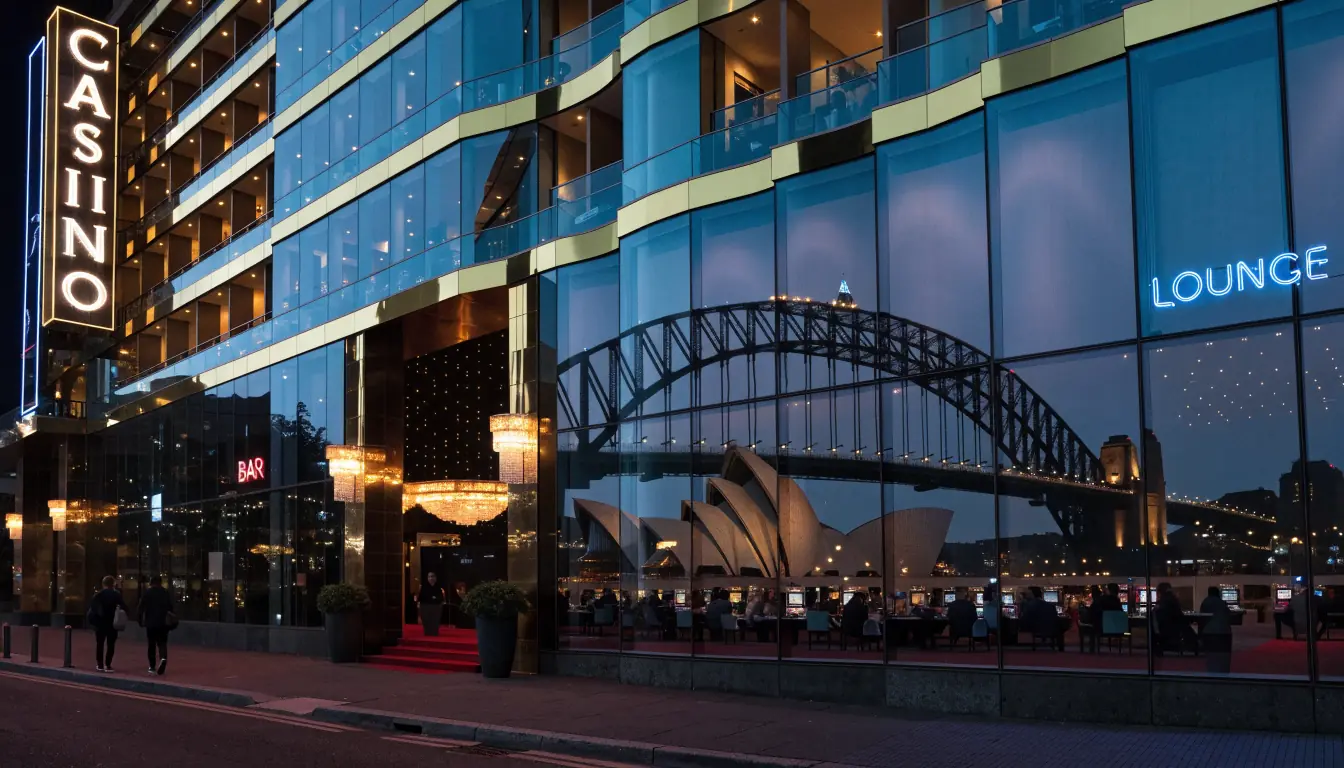
A casino hotel operates on a different logic than a standard city hotel. The standard hotel optimises for sleep; the casino hotel optimises for the floor. Everything from the layout of the corridors to the placement of the lifts is designed to route guests past the pokies and table games. Having spent years observing how these complexes function from the inside, I see the integrated resort model not as a convenience but as a careful exercise in retention. The room is a base; the floor is the actual product.
When looking at Queensland casino hotel rooms, the distinction lies in tiering. A standard room exists to provide a functional place to rest, but the upper tiers are designed to keep high-volume players on-site. The per-capita gambling loss in Australia was AUD 1,200 in FY 2020-2021, and the per-capita bets were AUD 9,885. These figures dictate the economics of the building. The revenue generated from the floor—whether from tables or pokies—subsidises the room operations, allowing the complex to offer highly competitive Queensland casino hotel deals. The goal is to ensure the guest never has a reason to leave the property.
The Architecture of Stay
The integration of the hotel tower and the gaming floor is structural. In a purpose-built casino hotel, the path from the reception desk to the elevator bank almost always forces a traversal of the perimeter of the gaming area. This is not an accident. It is a design mechanism aimed at capturing attention. Queensland casino hotels use the hotel component as a captive audience funnel.
The amenities in these rooms reflect this reality. You will find heavy blackout curtains, soundproofing, and late checkout options. Because 72.8% of Australian adults gambled in the previous 12 months in 2022, the demand for comfortable, accessible gaming environments is massive. The rooms are built for people who keep irregular hours. Mini-bars, in-room dining, and blackout bathroom lights are standard features aimed at players who finish on the floor at odd times and need to recover before returning.
Securing Queensland Casino Hotel Deals
The pricing matrix for a casino hotel is unlike a traditional hotel’s. Revenue management here looks at the total expected value of a guest, not just the nightly room rate.
- Gaming Tie-ins: The best Queensland casino hotel deals are not published on standard booking platforms. They are allocated through the casino’s own membership programmes. A room might be “comped” or heavily discounted based on the player’s historical theoretical loss on the floor.
- Direct Booking: For the general public, booking directly through the hotel’s system often yields better terms than third-party sites, because the casino wants the guest’s direct contact information to market the floor to them.
- Weekday vs Weekend: Pricing is heavily dictated by floor traffic. Midweek rates are structured to attract guests to fill rooms when the floor is quieter, while weekend rates maximise revenue from leisure visitors.
Reviewers who test these properties deposit at least A$300 at each casino and test withdrawals to verify the financial infrastructure. This process applies to the digital and loyalty systems tied to the hotel rooms. The hotel keycard is frequently linked to the player’s account, consolidating gaming spend and hotel charges onto a single folio. This makes tracking the guest’s spend seamless for the operator.
Regulatory and Logistical Realities
The money that flows through these integrated resorts is heavily scrutinised. Gambling revenue accounted for 7.7% of state and territory taxation revenue in 2015-16. Because of this tax dependency, state regulators monitor the financial interaction between the hotel and the casino floor closely. The minimum age to access casino offers is 18 years, and this restriction is enforced at the hotel level. Keycards for elevators accessing the hotel tower often require the guest to tap their card to prove they are a registered guest, keeping minors and non-gaming street traffic out of the residential zones.
Queensland casino opening hours also dictate the hotel’s operational rhythm. Because the floor operates continuously, the hotel staff—concierge, room service, and front desk—must adapt to a twenty-four-hour ecosystem. A guest might return to their room at dawn, necessitating daytime housekeeping rather than morning service.
What the "Resort Fee" Actually Covers
When browsing hotels in Queensland near casino complexes, prospective guests will notice the pricing structure often includes mandatory resort fees. These fees purportedly cover amenities like gym access, pool maintenance, and Wi-Fi. In reality, the integration of the hotel and the floor means these fees subsidise the ambient environment of the entire complex.
It is a mechanism to keep the headline nightly rate artificially low while recouping operational costs elsewhere. When assessing casino hotel Queensland options, the base rate is only part of the cost.
The integrated resort is a closed loop. The hotel exists to feed the floor, and the floor exists to fund the hotel. Understanding this dynamic is the only way to evaluate the true value of staying on-site.
Gaming and Poker Facilities
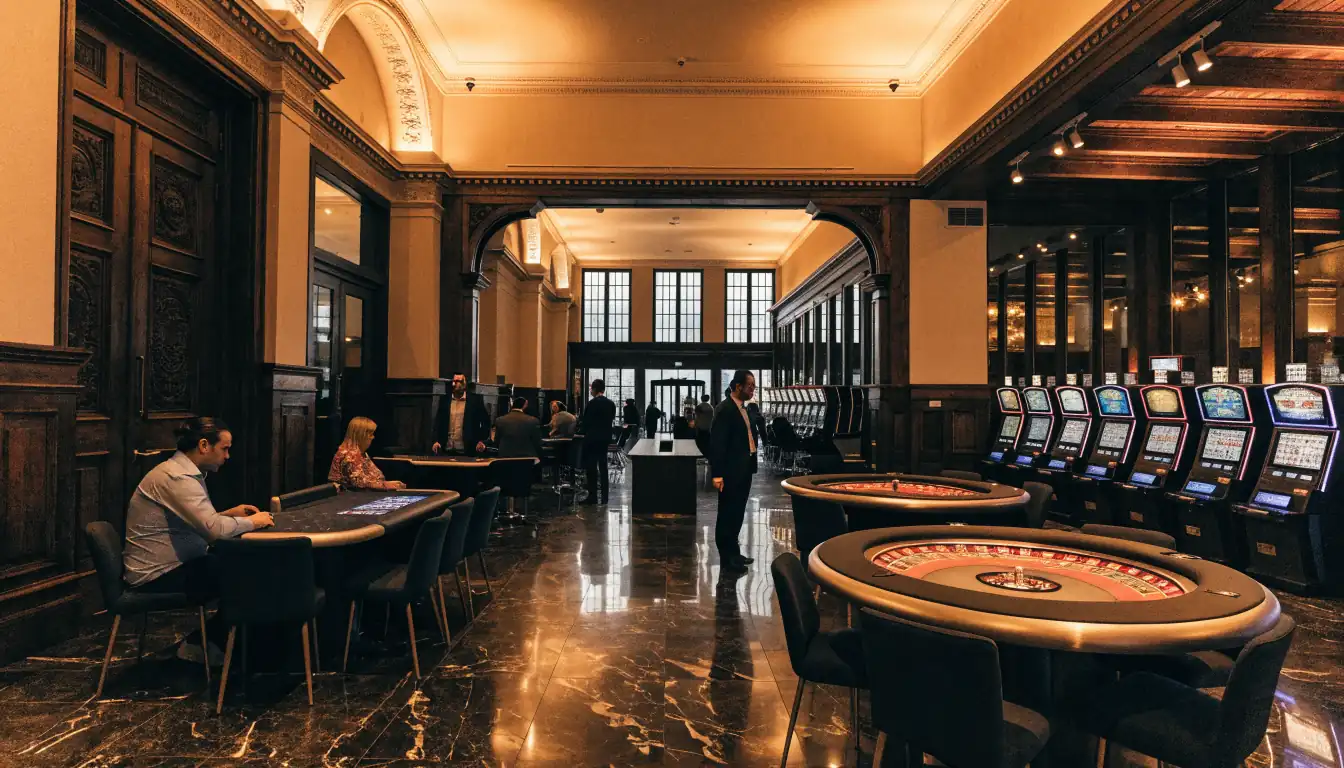
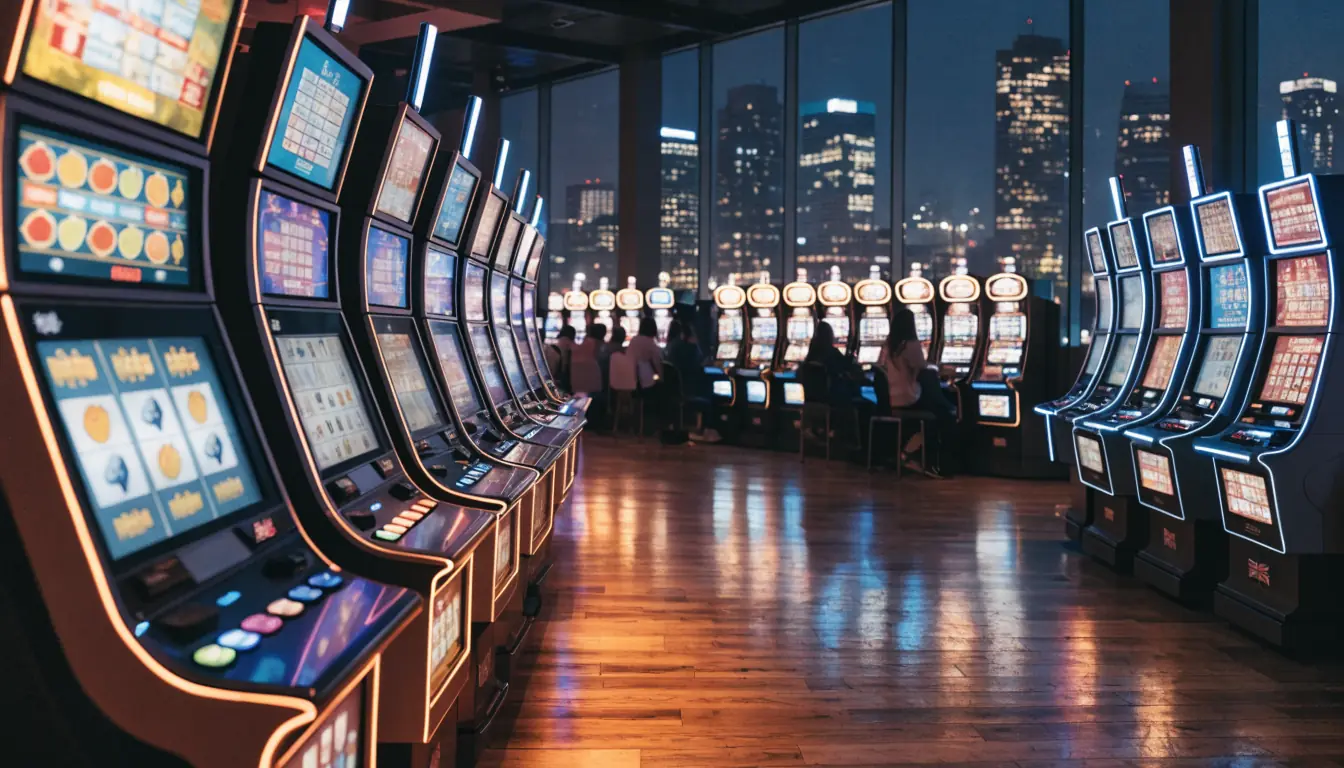
Walk past the restaurant corridors and the leisure zones, and the acoustic profile of a Queensland casino shifts. The ambient chatter of dining areas drops away, replaced by the mechanical dispersion of pokies and the sharp, procedural cadence of chip racks being sorted and stacked. I have spent enough time behind the acrylic dividers of these tables to recognise the deliberate spatial separation at play. The gaming floor operates on its own distinct operational logic, keeping the table games and dedicated poker rooms physically and acoustically segregated from the dining and leisure zones.
Given that 72.8% of Australian adults gambled in the previous 12 months as of 2022, the spatial design of these facilities is no accident. It is a calculated flow of foot traffic. You do not stumble into a high-stakes baccarat pit while looking for a sports bar, nor do you cross a tournament staging area to find a buffet. The architecture actively compels patrons toward the pokies first—the low-margin, high-volume engine of the floor—before allowing access to the table games and dedicated poker rooms. Electronic gaming machines are positioned to intercept pedestrian flow, operating as a primary filter that captures incidental foot traffic before it ever reaches the felt.
Dedicated Poker Rooms and Table Configurations
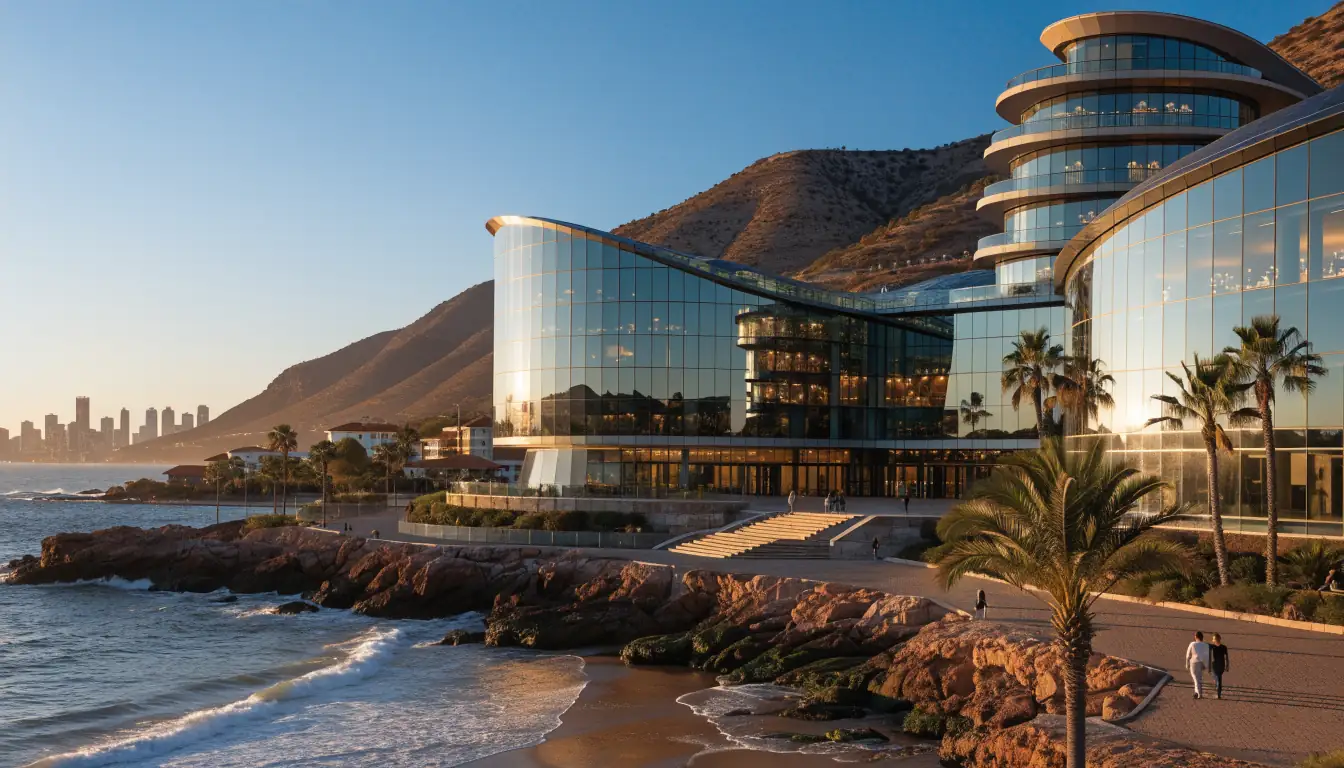
Live table games and dedicated poker rooms in Queensland casinos exist in their own operational bubbles. I have watched floor managers completely restructure table layouts to accommodate peak tournament traffic, shifting tables from cash-game formats to tournament configurations in the span of a fifteen-minute break. When evaluating poker at Queensland casino venues, the internal layout dictates the experience. Cash games are typically situated closer to the main thoroughfares to attract passing interest, while high-stakes tournament play is pushed into secluded backrooms or raised platforms where the stakes demand a quieter, more controlled environment.
The transition between these zones is distinct. A cash-game table operates on a continuous loop, with players arriving and departing on their own schedule, creating a constantly fluctuating chip inventory that requires strict oversight. Tournament play, however, relies on a rigid schedule. The tables are locked into a structure dictated by blind levels and elimination mechanics. I have seen how the physical tables themselves are managed—automatic shufflers are inspected, felt is replaced, and chip sets are audited—before a tournament room is even opened to the public.
Tournament Structures
Queensland casino poker tournaments operate on a tiered structure that separates the casual weekend crowd from the regular grinders. As of 2022, 38% of Australian adults gambled at least once per week, which translates directly into the demand for recurring, scheduled tournament events. Weekday tournaments usually operate as low-buy-in, deep-stacked affairs designed to fill seats during off-peak hours. They are volume drivers. Weekend events, by contrast, are where the serious structural integrity of the casino’s tournament offering is tested.
Registration for these events happens long before the first hand is dealt. Casino rooms in Queensland use structured registration desks that open hours prior to the first shuffle, managing player queues and verifying identity documentation on site. When assessing Queensland casino poker tournaments, the management of these queues is what separates a functional gaming floor from a logistical bottleneck. Floor staff rely heavily on automated waiting lists and digital board displays to manage seat allocations across multiple tables, keeping the cash-game flow moving while the tournament area operates in its own isolated time zone.
Sports Bars and Adjacent Gaming Zones
When people search for a casino sports bar in Queensland, they are usually looking for the intersection of live sports broadcasting and low-stakes gaming. The sports bar is not merely a lounge; it functions as a secondary gaming zone. From my experience on the floor, these areas are populated with rows of pokies strategically positioned so that patrons can watch a race or a match on the overhead screens while playing. The audio from the machines is specifically tuned to compete with, but not drown out, the broadcast commentary.
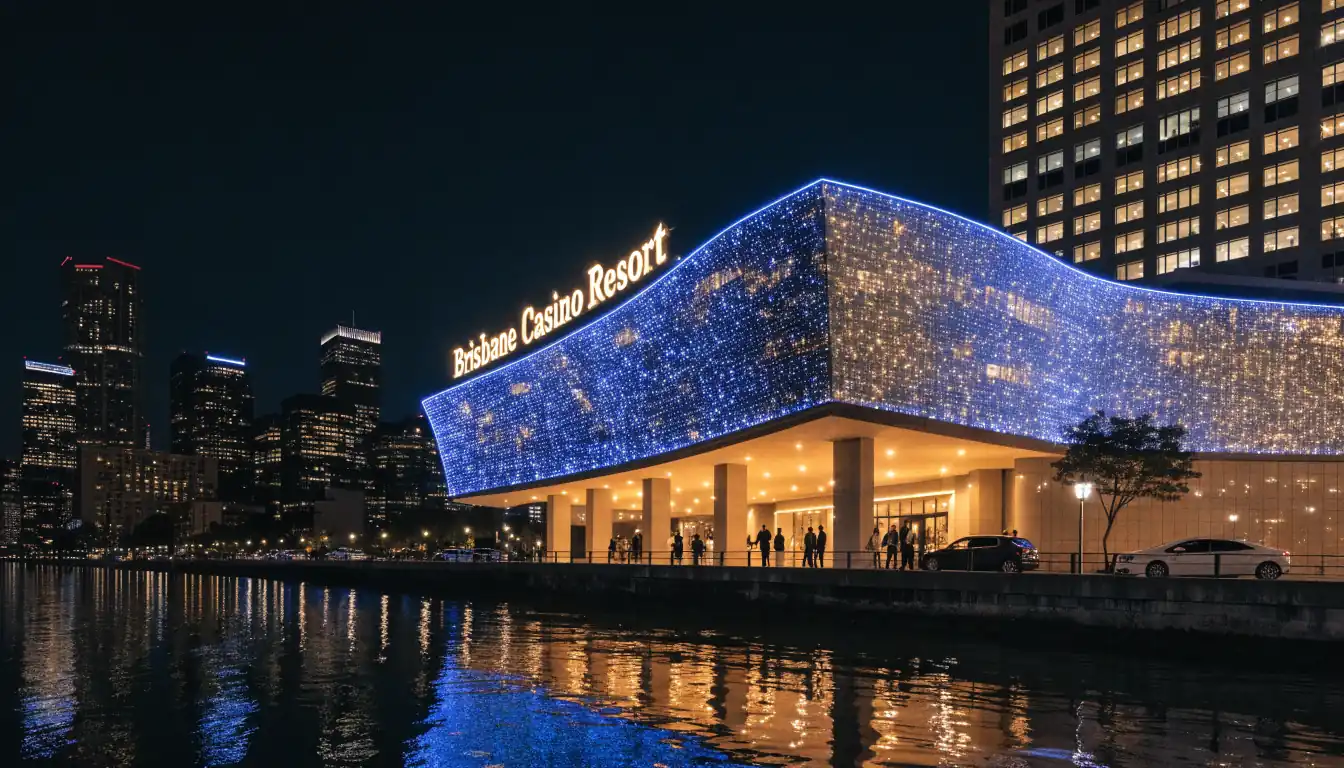
A Queensland casino sports bar serves as a bridge between the high-energy tournament rooms and the casual leisure zones. It is a holding pen for waiting lists. Players waiting for a seat at a busy cash table migrate to the sports bar, where they can play pokies while monitoring a digital pager. It is a space designed to keep players on the property and engaged with the gaming ecosystem, even when the main poker tables are full. The segregation is strict: you will not find table games inside the sports bar, only electronic terminals and bar-top screens.
Operational Realities of the Gaming Floor
The question of whether a Queensland casino is open now or open today misses the underlying structural reality of how these floors operate. The pokies never stop. They are designed for continuous, uninterrupted play. Live table games, however, operate on staggered shifts. A poker room might open at noon for a cash game, but the tournament section might remain barricaded and unstaffed until late afternoon. I have seen the back-of-house schedules that dictate these staggered openings—staff are allocated based on projected peak times, and table availability contracts and expands accordingly.
Opening hours are not a single switch but a series of phased activations. The main pokies floor runs continuously, but the dedicated poker rooms, VIP table areas, and specific tournament spaces have their own operating windows dictated by dealer availability and shift rosters. If a player walks in looking for a specific table game at an off-peak hour, the floor supervisor has to pull a dealer from a break or consolidate tables, which changes the dynamic of the room entirely. It is a constant balancing act of resources. We never had the luxury of simply opening every table at once.
Player Demographics and Floor Management
The players who frequent these dedicated poker rooms are not the same demographic that fills the pokies aisles. The data indicates that around 80,000–160,000 Australian adults experience significant gambling problems, representing 0.5–1.0% of the adult population. In a casino environment, this statistical reality shapes how the floor is monitored. Poker rooms, with their slower pace and reliance on skill over pure chance, attract a different type of regular. These are players who track their play, understand variance, and often view the casino as a venue for structured competition rather than pure recreation.
Gambling Risk
A notable proportion of Australian adults experience gambling problems (0.5–1.0% of the adult population), requiring strict monitoring and responsible‑gambling controls on the casino floor.
Managing these rooms requires a different approach from the floor staff. In the pokies zones, staff focus on machine faults, jackpot payouts, and ensuring the floor remains compliant with responsible gambling protocols. In the dedicated poker rooms, the focus shifts to game integrity, chip management, and dispute resolution. I have had to arbitrate arguments over side pots and rule on floor calls that required an intimate understanding of tournament structures. The separation of these zones allows the casino to deploy specialised staff where they are most effective, keeping the high-volume pokies floor running smoothly while maintaining the integrity of the table games.
Buffet and Breakfast Offerings
Walk through a Queensland casino resort before noon, and the layout tells you exactly how the property expects you to spend your morning. The buffet is positioned as the engine room of the stay—a high-volume, fast-turnaround space designed to feed guests efficiently before they filter back onto the gaming floor or head out to explore the region. It is not designed for lingering. The lighting is bright, the seating is dense, and the focus is squarely on food variety and scheduling.
The Morning Landscape
A Queensland casino resort typically anchors its breakfast service around a sprawling buffet format. You walk in, pay a fixed entry at the podium, and are handed a table number. From there, the layout is entirely self-service. The spread covers the standards: fresh fruit, pastries, cereals, yoghurts, and juices, alongside hot options ranging from scrambled eggs and bacon to baked beans, roasted tomatoes, and sausages. Toasting stations and pancake dispensers are usually positioned at the edges to manage flow.
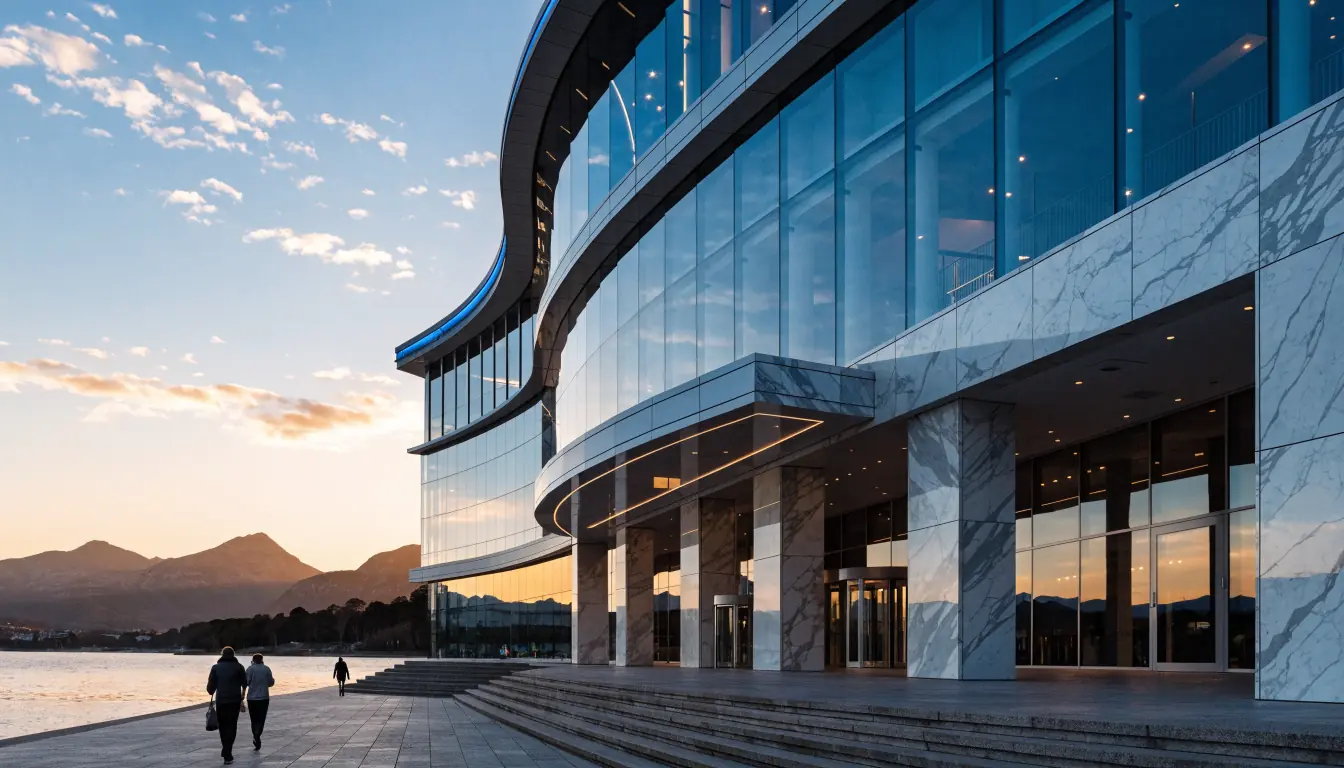
The practical reality of a buffet breakfast in a large resort is that food variety is dictated by footfall. On a quiet weekday, the hot dishes sit under heat lamps, refreshed less frequently. On a Saturday morning when the hotel is at capacity, the serving trays turn over rapidly, and the kitchen pushes out fresh batches constantly. The system works precisely because the resort manages the supply chain behind the scenes. Gambling revenue accounted for 7.7% of state and territory taxation revenue in 2015–16, underscoring the economic weight these properties carry and their ability to subsidise extensive food operations to keep guests on-site.
Casino Rewards and the Buffet
Property operators understand that a guest who leaves the building to find lunch is a guest who might not return to the pokies. The buffet is the primary tool for retaining that footfall. Queensland casino rewards programs exist largely to ensure that the money spent on accommodation and dining feeds back into the operator’s ecosystem. Players earn points on their play, and these points are redeemed directly at the buffet podium.
I have watched punters hand over a player’s card to wipe the cost of a family breakfast off the bill entirely. It is a neat exchange: the house gives away a plate of eggs to keep a player on-site. The food is the draw, but the scheduling is the trap. By wrapping the buffet into the casino rewards structure, the resort ensures that the guest remains physically inside the complex for the duration of the meal, effectively tethering them to the gaming floor.
Breakfast Scheduling
The scheduling of these offerings is heavily dictated by the operational tempo of the resort. Breakfast service usually opens at a set time each morning, calibrated to the checkout times of the on-site hotel. There is no single overarching gambling authority in Australia; regulation occurs at both state and federal levels, but operational logistics like meal times are managed entirely at the property level. The casino floor never sleeps, but the buffet has strict operational hours. Open too early, and the staff are feeding empty tables. Open too late, and the queues back up into the hotel lobby.
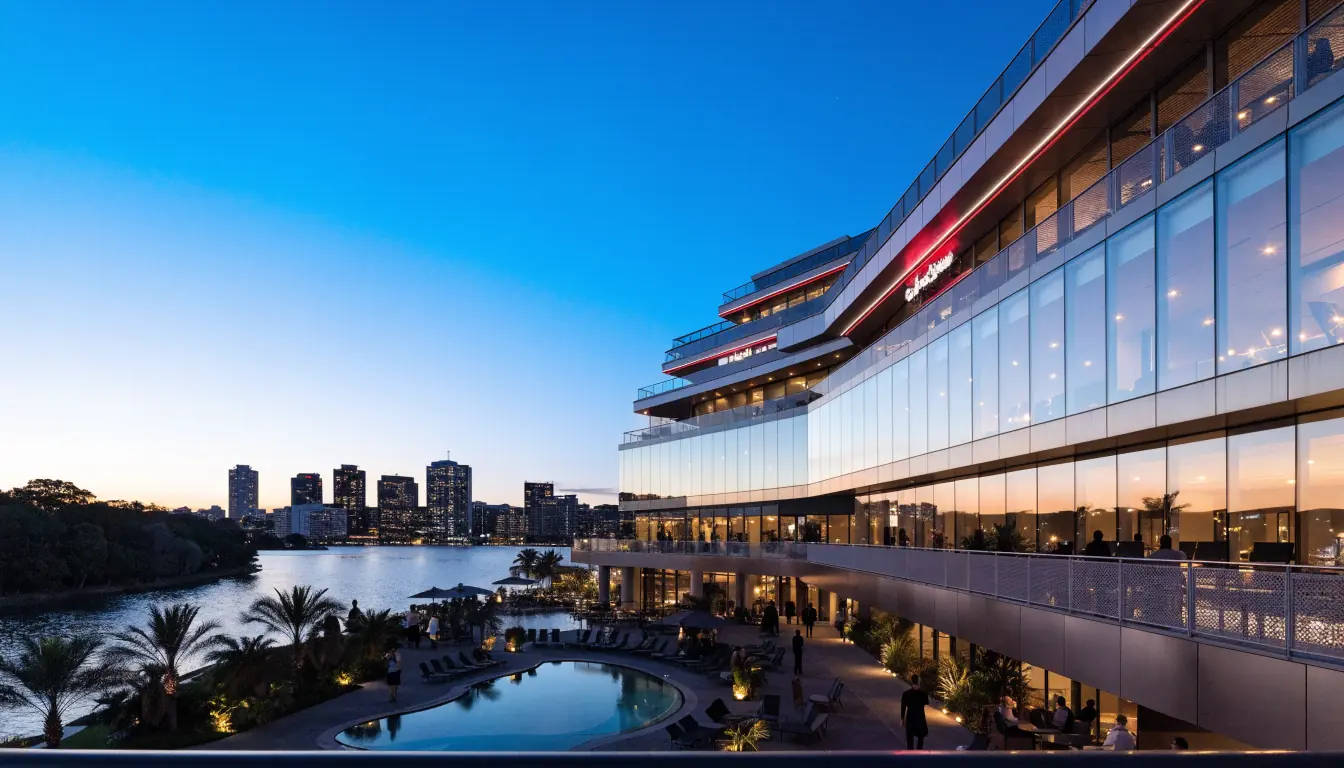
The buffet operates on a fixed window. Once the kitchen transitions to the lunch service, the hot breakfast items disappear. If you want eggs past the cutoff, you are directed to the a-la-carte restaurants or casual food courts—venues covered elsewhere on this site. The buffet is strictly a morning and evening proposition.
The Kitchen Staffing
To keep these high-volume operations functioning, properties rely on a constant pipeline of labour. Anyone looking at Queensland casino jobs will notice that kitchen staff, dishwashers, and floor attendants form the bulk of the recruitment drive. A casino job in Queensland often means working the graveyard shift to prep the fruit platters and bake the pastries for the morning rush. Jobs at Queensland casinos are heavily weighted toward food and beverage logistics because the buffet demands a massive workforce to maintain food safety and replenishment schedules.
Financial Mechanics
The economics of the casino buffet are insulated from the broader tax structures that govern the gaming floor. While gambling winnings are not taxed in Australia, the revenue generated from the buffet is subject to standard state taxes. The operator absorbs the cost of the buffet through a complex web of cross-subsidisation. High rollers get their meals comped entirely, while casual hotel guests pay a flat rate at the door. The pricing does not always reflect the cost of the ingredients. A plate of bacon and eggs might be priced to cover the overhead of the entire resort, subsidising the operational shortfall elsewhere.
The buffet is a logistical necessity. It gets people fed and back to the floor quickly. The scheduling is rigid, the variety is broad, and the operational machinery behind it is relentless.
Restaurants and Culinary Experiences
When reviewing a Queensland casino, the dining offering is often treated as a secondary attraction — something to fill the time between tables. In practice, the on-site restaurants function as the primary non-gaming revenue driver. The objective is keeping guests on the property, mitigating the incentive to leave the venue for a meal and potentially not returning. I have watched floor managers track meal durations closely; a faster table turnover in the dining room does not necessarily benefit the casino floor if it pushes patrons out of the building entirely.
The Separation of Dining Spaces
The architecture of dining in these resorts is strictly compartmentalised. The a-la-carte restaurants and themed eateries are positioned away from the gaming floor to comply with responsible service of alcohol guidelines and to create psychological distance from the tables. This is distinct from the food courts and buffets, which serve volume and speed. Here, the focus is on prolonged seating, higher average spends, and atmosphere.
Themed Eateries and Fine Dining Venues
The venues inside a Queensland casino complex generally fall into two operational categories: leased spaces operated by external hospitality groups, and venues managed in-house.
- External Hospitality Operators: These are often themed eateries featuring specific cuisines. The casino acts as the landlord, taking a percentage of revenue while benefiting from the brand recognition of the restaurateur. The risk here is operational friction; if a leased restaurant fails to maintain its brand standards, it reflects poorly on the broader resort, yet the casino’s management has limited immediate recourse beyond lease enforcement.
- In-House Fine Dining: These venues are designed for high-roller retention. They offer a controlled environment where staff are trained to recognise loyalty programme members and adjust service protocols accordingly. The menus are built to accommodate dietary requests without delay, ensuring that hosting a business client or celebrating a substantial win does not stall over logistical hurdles.
Rooftop Bars and Elevated Dining
The integration of a rooftop bar is a structural response to venue density. By pushing dining and drinking vertically, the resort maximises its footprint without expanding its ground-level boundaries. For patrons, a rooftop bar provides an unobstructed vantage point over the surrounding area, which is a standard expectation in Queensland developments.
The function of these elevated spaces is dual-purpose. They generate their own revenue through premium beverage pricing, and they serve as a holding area. If a preferred table is occupied, directing a patron to the rooftop bar retains their presence on the property.
Operational Realities
The financial mechanisms underpinning the broader domestic gambling industry are opaque from a consumer standpoint. For context, Australia’s 20 largest superannuation funds held over A$14.8 billion in publicly listed igaming companies in mid-2026. What this means for the dining experience is capital allocation. Restaurants inside casino complexes do not need to justify their existence on a standard profit-and-loss statement if they serve to retain high-value gaming patrons. This is why a fine-dining venue operating at a marginal loss remains viable; the cost of the restaurant is absorbed by the floor’s yield. The venue exists to keep you in the building.
Leased spaces operated by outside groups, offering themed cuisines while the casino takes a revenue share and has limited control over brand standards.
Casino‑managed venues targeting high‑roller retention, with staff trained to recognise loyalty members and menus designed for swift, flexible service.
Spa and Wellness Services
The transition from the pokies floor to a treatment room is a deliberate architectural countermeasure. After hours of artificial lighting, ambient noise, and sustained cognitive load, the central nervous system is overtired. A Queensland casino spa operates as a pressure-release valve for exactly that physiological state, distinct from the general hotel pool or the late-night bars.
I have watched players walk past the treatment desk with their eyes still locked on the ceiling tiles, unable to fully decompress from the table games. The best wellness centres in these complexes are designed to physically isolate guests from the gaming environment. There are no screens, no terminal sounds, and no physical sightlines to the floor. Complete sensory deprivation, even temporarily, is the primary service offering.
Treatment Integration
A day spa situated within a casino resort serves a dual purpose. For the property, it keeps high-yield visitors on-site during the hours they are not actively betting. For the guest, it provides a necessary physiological reset.
Standard service menus focus on mechanical tension relief. Deep tissue massage targets the cervical spine and trapezius muscles, the exact areas that tighten during extended periods of stationary play. Thermal hydrotherapy is utilised to lower heart rates that elevated during high-stakes rounds. The facilities are built to physically enforce a pause in the action.
Operational Mechanics
There is a strict operational separation between the wellness wing and the gaming infrastructure. A guest must be 18 years or older to access casino offers, but the spa environment is fundamentally regulated by health and safety protocols rather than wagering statutes. The treatment rooms function as a neutral zone.
The contrast between the two environments is the entire point. The floor demands hyper-vigilance. The treatment room demands the opposite. Property managers design these spaces to ensure that once a guest crosses the threshold into the wellness zone, the operational mechanics of the casino are entirely out of sight and out of earshot.
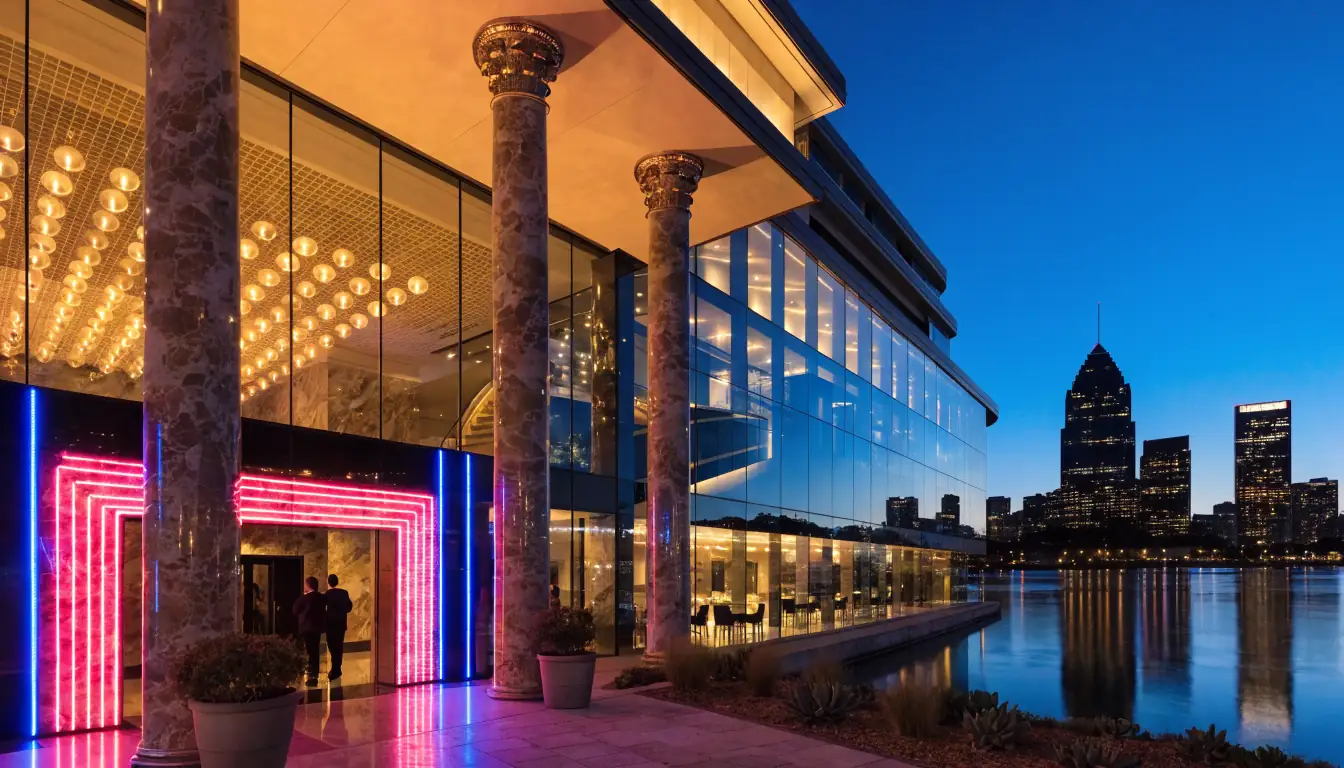
The primary function of a casino spa is not leisure. It is a structured intervention. Whether a guest spends thirty minutes in a steam room or ninety minutes on a treatment table, the objective is the same: mitigating the physical exhaustion inherent in sustained casino play. It is a calculated reset. Nothing more.
Parking and Accessibility
Logistics dictate the rhythm of a venue. Before a guest reaches the gaming floor, the restaurants, or any other entertainment zone, their vehicle needs a space, and their physical requirements must be met by the built environment. In Queensland, the integration of large-scale resort complexes into urban centres and coastal stretches makes logistical planning—specifically vehicle storage and barrier-free movement—a defining operational challenge. When assessing the operational standards of any complex vying for the title of best casino in queensland 2026, the logistical infrastructure is just as critical as the interior layout.
Vehicle Storage and Valet Logistics
Securing a parking bay at a major integrated resort on a busy evening operates on strict spatial mathematics. The supply of concrete bays is finite, while the influx of patrons arriving for dining, events, and gaming fluctuates wildly. Venues manage this demand through tiered logistical structures.
On-site garages typically separate casual visitors from high-frequency guests. Standard self-parking requires navigating multi-level structures designed to handle peak evening surges. To alleviate bottlenecks at the primary entries, venues deploy valet services. Valet parking is not merely a premium convenience; it is a necessary flow-control mechanism. By taking custody of the vehicle at the kerb, staff bypass the immediate bottleneck of drivers circulating the garage searching for open bays.
From an operational standpoint, complimentary parking is becoming increasingly rare at urban integrated resorts. The costs of maintaining central-city or waterfront real estate inevitably shift toward the user. Patrons should expect to pay for both self-service and valet parking, though the fee structures vary depending on the day of the week and the presence of concurrent events. Venues often validate parking for patrons spending above a certain threshold in the resort’s dining or hospitality sectors, though purely gaming-focused visits rarely trigger waivers. The economic reality of prime location development dictates that free parking queensland casino patrons might search for is largely a relic of outdated expectations in major metropolitan zones.
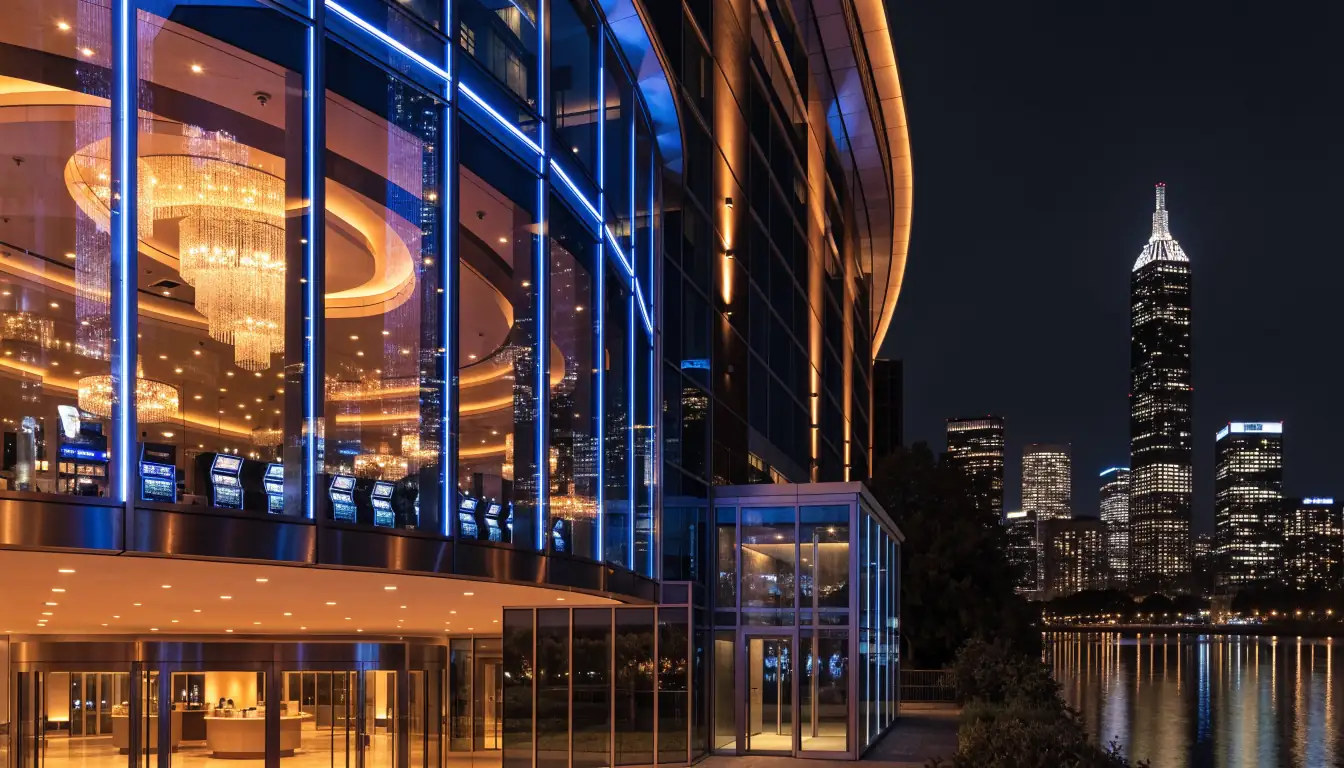
Accessibility Infrastructure
Accessibility extends far beyond installing a ramp at the front entrance. Regulatory compliance requires continuous, barrier-free pathways from the vehicle storage areas directly to the gaming floors, dining precincts, and entertainment theatres.
Standard logistical provisions include:
- Designated accessible parking bays located nearest to the lift cores of the parking structures.
- Automated door systems at primary and secondary entry points to manage high-volume foot traffic without manual intervention.
- Dedicated wheelchair-accessible gaming stations and pokie banks, ensuring clear under-desk clearance and unobstructed manoeuvring space.
- Tactile tiles and braille signage on lift controls and restroom facilities to assist visually impaired guests.
Compliance is not a static achievement. The built environment degrades, and renovations frequently alter the flow of traffic. When a venue undergoes upgrades, temporary barriers often disrupt the established accessible routes. Managing these disruptions requires clearly marked temporary pathways and trained staff stationed at key transitional points to guide guests.
Navigating Online Limitations
Physical logistical frameworks operate strictly within the brick-and-mortar perimeter. Patrons seeking the convenience of accessing wagering services from their own vehicle or via a mobile device in the parking garage must recognise the strict regulatory boundaries governing this market.
Under the Interactive Gambling Act 2001, the provision of online casino games, poker, and in-play betting is prohibited federally. While physical venues legally offer pokies and table games on their floors, these operations cannot be legally mirrored online for domestic players. There are no domestically licensed real-money online casino operators available to Australian players. This means that the logistical convenience of playing digital table games on a personal device while parked in the venue’s garage is not a legally available service.
The physical resort and the digital space are distinctly separated by legislation. Patrons searching for a queensland online casino will find no licensed domestic operators, as the law targets the provision of these games to residents rather than penalising the individual. Consequently, the parking facilities serve solely as a transitional space for arriving at the physical gaming environment. The infrastructure of the venue supports the immediate physical needs of guests, but the digital extension of these gaming services remains closed by federal statute.
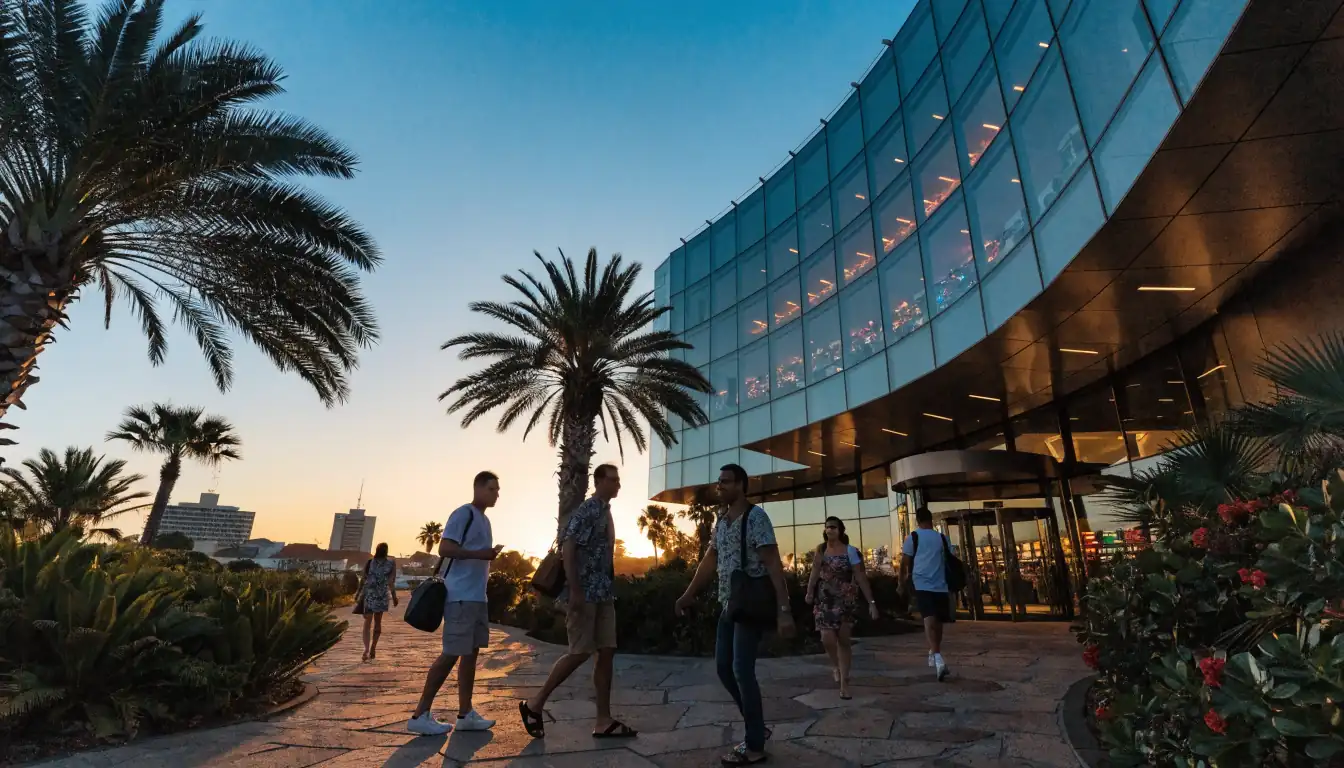
Accessibility and logistical planning ultimately define the first and last impression of a resort. The physical capacity to handle peak vehicle volumes, coupled with strict adherence to mobility regulations, dictates the operational baseline of any Queensland venue.
Accommodation Near the Casino
Staying inside a casino complex offers convenience, but the surrounding neighbourhood often holds the practical advantages. When evaluating accommodation near Queensland casinos, the focus shifts from integrated entertainment precincts to strategic positioning. Proximity to the gaming floor matters when the goal is moving between a room and the pokies without navigating a sprawling resort layout. External lodging options—independent hotels, serviced apartments, and boutique stays—provide a different perspective on the casino experience, prioritising logistical placement over interior amenities.
The Strategic Value of Adjacent Lodging
Queensland casino locations are typically anchored in high-traffic urban zones. Finding accommodation near a Queensland casino often means tapping into the broader hospitality infrastructure of the surrounding district. Serviced apartments are particularly effective for longer stays. They provide kitchen facilities and separate living areas, allowing visitors to manage their own schedules without being tied to resort dining timelines.
This separation has a practical function. Staying outside the complex creates a physical buffer. In FY 2020-2021, per-capita gambling bets in Australia were AUD 9,885, with an average loss of AUD 1,200. Lodging physically detached from the gaming floor imposes a natural cooling-off period between sessions. It is harder to walk downstairs at random hours when it requires crossing a city street rather than taking an elevator.
Balancing Proximity and Accessibility
Locating nearby lodging involves weighing transport logistics against distance.
- Independent Hotels: These establishments operate separately from the casino’s management. They offer standard hospitality services without the integrated resort fees.
- Serviced Apartments: Designed for self-sufficient stays, these units feature full kitchens and laundry facilities. They suit visitors who prefer to keep their domestic routines intact while remaining close to the action.
- Boutique Stays: Smaller properties often occupy heritage buildings adjacent to major precincts. They provide highly individualised service but lack the capacity for large-scale event hosting.
Proximity does not always guarantee ease of access. The density of the area dictates the reality of moving between the accommodation and the casino. Pedestrian access is straightforward in central business districts, but peripheral locations might require navigating major arterial roads.
Addressing Parking and Transport Logistics
A primary reason visitors seek external accommodation is logistical independence. While the previous section detailed on-site parking, nearby hotels frequently operate their own secure parking structures. This is a critical detail for anyone driving into the city. External properties sometimes offer more flexible parking terms than integrated casino resorts, which often tie parking validation to minimum spend thresholds or specific loyalty tiers.
For those relying on public transport, adjacent lodging positions guests near central transit hubs. Queensland casinos sit within major urban centres, meaning nearby hotels benefit from the same public infrastructure. Bus routes and ride-share pickup zones serve the surrounding streets. Staying nearby places visitors at the intersection of the city’s transport network rather than isolating them within a single-purpose entertainment zone.
Evaluating Independent Queensland Casino Accommodation Deals
Securing accommodation deals near Queensland casinos requires looking past the headline rate. Independent properties do not bundle gaming chips or dining credits into their room rates. The trade-off is transparent pricing. A discounted rate at a nearby serviced apartment is a straightforward reduction in nightly cost, not a complex promotional mechanism requiring specific wagering conditions to unlock value.
When assessing promotions, proximity is the primary metric. A low nightly rate loses its appeal if the location requires a costly taxi ride each way. Reviewers evaluating these lodging options look at the walking distance to the casino entrance, the security of the pedestrian route, and the availability of late-night transport. The goal is finding a base that supports the visit without tethering the guest to the operator’s proprietary ecosystem.
Contact Points: Bars, Baccarat, Events
Physical casino properties in Queensland operate distinctly from their digital counterparts. The Interactive Gambling Act 2001 prohibits the provision of online casino services to Australian residents, a ban enforced by the Australian Communications and Media Authority (ACMA). On-site baccarat lounges, however, are legal physical gaming spaces, operating under state-level regulatory oversight. The contrast is stark: digital operators face federal prohibition, while physical venues run scheduled table games and live entertainment under state licences. I have watched floor managers juggle these frameworks, leveraging physical exemptions to host events that digital platforms cannot legally offer.
Queensland Casino Contact Points
Direct communication with venue management remains essential for resolving disputes or arranging access to high-roller rooms. Staff handle complaints internally, but escalating an issue to a senior duty manager requires persistence. When contacting a Queensland casino contact number, callers should request the specific department — general reception, the VIP gaming desk, or the events team. Direct numbers route callers to switchboards, not specialised personnel. I have spent too many minutes navigating automated menus, only to be transferred back to the main queue. For written grievances, email the official property address. For responsible gambling support, GamblingHelpOnline.org.au operates independently of any venue and serves as a primary resource.
On-Site Bars and Lounges
Bars within Queensland casinos serve as transitional spaces between the gaming floor and general leisure areas. Unlike standalone pubs, casino bars integrate with the venue’s broader operational logic, managing foot traffic and dwell time. Cocktail lounges often adjoin high-limit rooms, creating a spatial relationship that encourages prolonged patronage. A Queensland casino bar typically operates under the same liquor licensing framework as the broader resort, adhering to Responsible Service of Alcohol guidelines. Staff monitor intoxication levels vigilantly, as impaired patrons pose regulatory risks to the venue.
Baccarat and Craps Tables
Baccarat occupies a unique niche: high-stakes rooms operate with dedicated staff and separate entry requirements. The game’s popularity among international high-rollers necessitates private spaces, distinct from the main pokies floor. Queensland casino baccarat tables generally feature higher minimum bets than blackjack or roulette, reflecting the game’s premium positioning. The atmosphere is deliberately exclusive. Floor managers control access, preferring known patrons over walk-ins. While searching for queensland casino craps reveals curiosity, the availability of craps tables is inconsistent across venues; physical casinos prioritise games with higher turnover or established player bases. Craps requires significant floor space and specialised staff, making it a rarity compared to baccarat.
Events and Concerts
Entertainment venues double as profit centres and regulatory compliance tools. Queensland casino concerts drive non-gaming revenue, attracting patrons who might not otherwise visit the property. Event schedules align with seasonal tourism peaks, maximising occupancy in attached hotels and food outlets. The economics are straightforward: entertainment draws crowds, crowds generate foot traffic, and foot traffic generates revenue across all departments.
Maps and Car Parks
Navigating large integrated resorts demands functional spatial awareness. A Queensland casino map is not a suggestion; it is a necessity for locating specific gaming pits, restaurants, or amenities within sprawling complexes. Signage is often inadequate. Parking infrastructure directly impacts the visitor experience. Searching for a queensland casino car park reveals a common frustration: finding accessible parking near the venue. Car park Queensland casino queries reflect a practical concern that venues address through multi-level structures and valet services. The logistical infrastructure of parking operates independently of the gaming floor, yet remains tethered to the venue’s overall operational budget.
The design of these spaces is deliberate. Bars monitor alcohol service, baccarat rooms restrict access, and event venues manage non-gaming revenue streams. Each contact point — whether a phone line, a physical lounge, or a parking bay — functions as a node in a broader regulatory and commercial network.
Opening Hours and Operational Details
From the operational side of the floor, the rhythm of a venue dictates everything the patron sees. Understanding the daily opening times and operational details of physical Queensland casinos requires looking past the marketing brochures. The doors stay open, certainly, but the mechanical reality of how the floor functions is far more rigid.
Daily Operations and Floor Scheduling
Gaming floors operate on a continuous cycle. The main pit, encompassing electronic terminals and table games, generally maintains round-the-clock availability. Tables open and close based on crowd density. A dealer does not stand at an empty baccarat table at three in the morning; the pit boss scales the roster to match the foot traffic. Staff schedules dictate the flow. If a specific table game closes, the seat disappears until the evening shift arrives.
Operational Policies and Disruptions
Operational interruptions occur. Maintenance, refurbishment, or regulatory audits necessitate partial floor closures. A planned casino reopen in Queensland after maintenance follows a strict protocol: the venue confirms compliance checks before the pit goes live again. Unplanned closures happen too. When a venue undergoes renovation, the reopening schedule depends entirely on structural sign-offs, not a predetermined marketing date.
Employment structures drive these schedules. Queensland casino employment operates on shift rotations. The morning crew handles the quieter hours, conducting chip counts and machine resets. The evening crew manages the influx. The operational reality is that the patron experience depends on staff availability. If a section lacks a dealer, that table is closed.
Scheduling Entertainment and Dining
Entertainment and culinary schedules function as separate ecosystems from the main floor. Queensland casino entertainment and events follow strict curfews and sound restrictions mandated by local councils. A headline act dictates the staffing of the entire venue, requiring additional security and hospitality crews. A Queensland casino review reflecting the patron experience often hinges on these operational overlaps: a delayed show start pushes back the late-night dining service.
Food service hours run independently of the gaming floor. The Queensland casino menu operates on strict service windows. A kitchen closes at a specific hour, regardless of whether the tables are still active. If a player misses the service window, the operational reality is a closed kitchen, not a delayed meal.
Ranking Methodology
Assessing operational quality goes beyond the physical floor. On Casino Crypto Guide, casino rankings are recalculated every week using a weighted formula. The methodology evaluates venues and platforms based on specific criteria. The ranking formula weights bonus generosity 30%, payout reliability 25%, game library breadth 20%, customer support responsiveness 15%, and user-submitted feedback 10%.
This ensures a structured assessment. Each casino listing is scored on bonus transparency, cashout speed, customer care, and licensing integrity. These metrics hold venues accountable for their operational promises. Transparent terms matter. Fast payouts matter.
Seasonal Variations
Queensland observes seasonal fluctuations. Summer brings peak tourist traffic, extending operational hours for support staff and entertainment. The wet season occasionally disrupts outdoor events. A venue might adjust its operational hours during major holidays, but the core gaming floor remains active. Operational policies adapt to the calendar, but the fundamental structure of the floor does not sleep.
Food Courts and Pool Areas
When logging long hours on the pokies or the baccarat tables, the functional infrastructure of a resort becomes just as critical as the main floor. I have seen how casino design deliberately separates the high-end culinary venues from the quick-service zones. Food courts handle the volume. They provide fast, casual meals without forcing guests to leave the complex. The food is pre-prepared, the seating is turnover-optimised, and the proximity to the gaming floor is immediate. These casual dining precincts operate as logistical support, not leisure experiences. They keep players inside the building, feeding them quickly so they return to the tables. Contrast this with the spa zones, which are tucked away on entirely different levels to project tranquility and privacy, or the pool areas, pushed outward to the resort fringes. The pool serves a different operational function. It provides a recovery space between sessions, heavily dependent on the outdoor climate. It is an amenity meant for decompression, physically distanced from the noise of the indoor gaming halls. Operators do not publish specific capacity metrics or pool dimensions for these leisure zones. What remains consistent is the layout strategy: the food court feeds you fast, and the pool resets you. Neither competes with the revenue-generating floor space.
Published by the Casino Crypto Guide team.