
Best Casino in Tasmania: Licensing, Rooms and Dining Guide
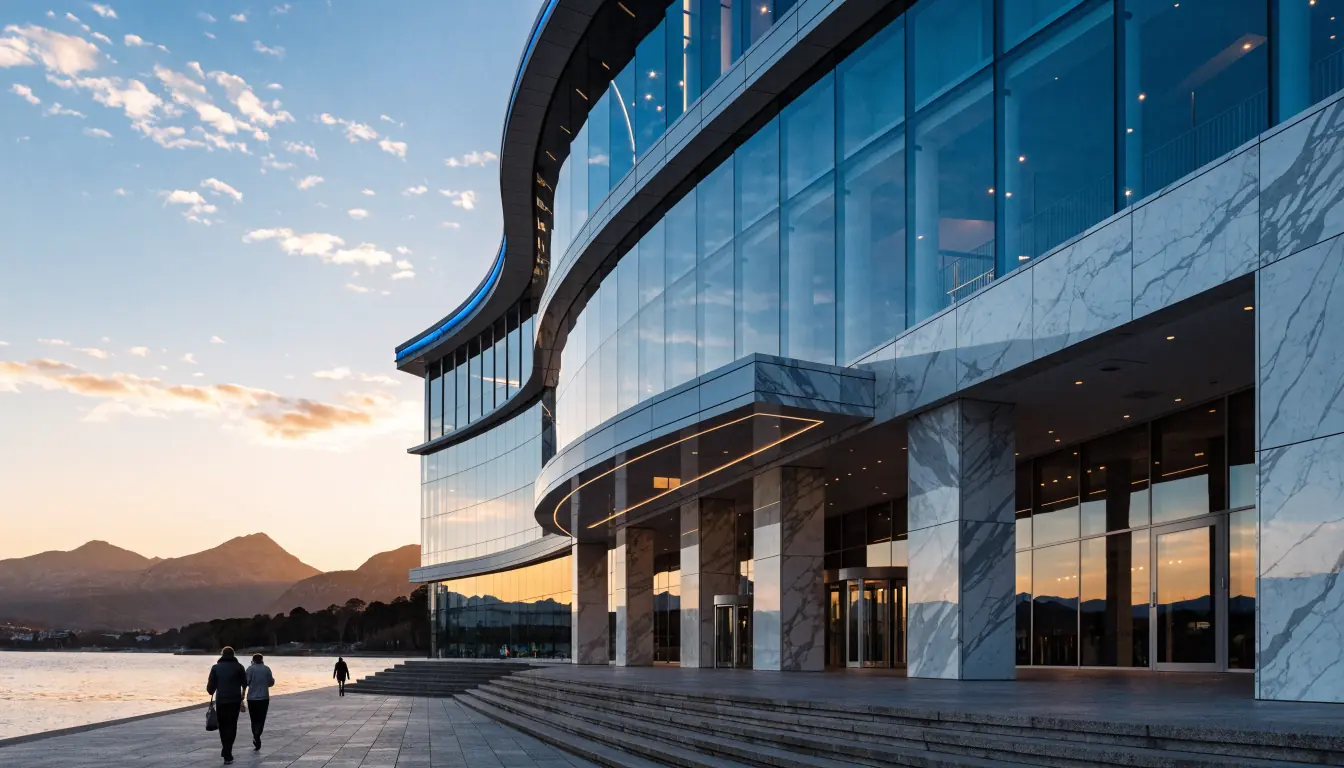
- Casino Openings and Licensing – How New Casinos Launch in Tasmania
- Casino Hotels in Tasmania – Where to Stay Near the Gaming Floors
- Poker Rooms and Gaming Zones – What Tasmania’s Casinos Offer for Players
- Parking and Accessibility – Getting to Tasmanian Casinos with Ease
- Accommodation Options Around Tasmanian Casinos – Hotels, Apartments & More
- Contact Points – Phone, Email, and On‑Site Services at Tasmania’s Casinos
- Dining, Buffets and Employment – Food, Jobs and Rewards at Tasmanian Casinos
- Restaurant Selections Inside Tasmanian Casinos – Variety and Quality
- Wellness Facilities – Spas, Pools and Relaxation Areas at Casino Resorts
- Food Courts and Pool Areas – Quick Bites and Leisure Swimming
Casino Openings and Licensing – How New Casinos Launch in Tasmania
Opening a physical casino in Tasmania means navigating a regulatory structure where authority is split. There is no single overarching statute or single overarching gambling authority regulating gambling in Australia. Regulation occurs at both the federal and state or territory levels. For a brick-and-mortar casino floor in Tasmania, state-level oversight drives the licensing process, while federal bodies set the broader legislative boundaries.
At the federal level, the Australian Communications and Media Authority (ACMA) enforces the Interactive Gambling Act 2001. The ACMA’s mandate focuses on harm minimisation and enforcing prohibitions on certain online services. However, the federal framework primarily dictates what cannot be offered online to residents, rather than governing the physical construction of a gambling venue. The licensing of a physical Tasmanian casino relies on state approvals, local planning consents, and stringent background checks on the operators.
I have watched operators try to navigate these divides. They assume that holding a state-level approval for a physical venue seamlessly translates into digital operations. It does not. Online casino style games, including slots, poker, blackjack, and roulette, are prohibited under the Interactive Gambling Act 2001. It is illegal to offer online casino gambling in Australia, and it is not possible to obtain a licence to operate an online casino domestically. A Tasmanian casino can open a physical poker room, but launching a locally licensed digital companion app offering real-money roulette remains legally impossible.
Since Tasmanian players are choosing an online casino rather than a physical venue, it pays to check licensing, welcome offers, and cashout speed before signing up in 2026.
License: Curacao OGL/2024/1335/0780 · Bonus: up to A$1,000 + 150 free spins, wager-free · Min. deposit: EUR 20 Licensed under Curacao OGL, this casino stands out with a wager-free welcome package of up to A$1,000 plus 150 free spins, backed by a low minimum deposit requirement.
License: Curacao · Bonus: 100% up to A$500 + 200 free spins, 10x wagering · Payout speed: crypto 30-60 minutes, fiat 1-5 days · Min. deposit: A$10 Curacao-licensed with a welcome bonus of 100% up to A$500 plus 200 free spins at manageable 10x wagering, and it offers fast crypto payouts alongside a low minimum deposit.
License: Curacao eGaming (Dama N.V.) · Bonus: up to A$10,000 + 180 free spins, 40x wagering Operating under a Curacao eGaming licence via Dama N.V., this casino offers a substantial welcome bonus of up to A$10,000 with 180 free spins, though the 40x wagering requirement is on the higher side.
License: Curacao · Bonus: up to A$10,000 multi-stage + 500 free spins · Min. deposit: A$20 (POLi) Licensed in Curacao, it features a multi-stage welcome bonus reaching up to A$10,000 with 500 free spins, and accepts POLi deposits from a low minimum amount.
Bonus: up to A$7,500 + 550 free spins across 10 deposits, 50x wagering · Payout speed: crypto under 1 hour, PayID 1-3 business days · Min. deposit: A$20 (A$30 to qualify for the bonus) This casino offers a large bonus package of up to A$7,500 with 550 free spins spread across ten deposits, plus notably fast crypto withdrawals and quick PayID processing.
License: Curacao Gaming Control Board OGL/2023/176/0095 (Hollycorn N.V.) · Bonus: up to A$5,000 + 300 free spins across 4 deposits Licensed by the Curacao Gaming Control Board under Hollycorn N.V., it provides a welcome bonus of up to A$5,000 with 300 free spins spread over four deposits.
License: Curacao · Bonus: up to A$2,000 Operating under a Curacao licence, this casino keeps things straightforward with a welcome bonus of up to A$2,000.
Bonus: 100% up to A$750 + 200 free spins, 35x wagering · Payout speed: crypto 30-120 minutes, fiat 24-72 hours · Min. deposit: A$30 This casino combines a 100% bonus up to A$750 with 200 free spins at 35x wagering, and stands out for its rapid crypto payout times.
Bonus: up to A$750 + 50 jackpot spins, 35x wagering · Payout speed: crypto ~90 minutes, fiat 1-5 days · Min. deposit: A$30 With a welcome offer of up to A$750 plus 50 jackpot spins at 35x wagering, this casino also delivers quick crypto payout turnaround.
License: Curacao Gaming Control Board · Bonus: up to A$5,000 + 400 free spins Licensed by the Curacao Gaming Control Board, this casino offers a generous welcome bonus of up to A$5,000 combined with 400 free spins.
Sources occasionally conflict on the foundational legislation itself. Some industry summaries cite the Interactive Gambling Act 1997 as the statute prohibiting the provision of online casino games to Australian residents. Others point to the Interactive Gambling Act 2001 as the primary Commonwealth law governing online gambling. This statutory discrepancy appears in market reporting, but the operational reality on the ground remains unchanged: there are no domestically licensed real-money online casino operators available to Australian players.
The Northern Territory Racing Commission (NTRC) complicates the national picture further. The NTRC is Australia’s de-facto online gambling regulator, licensing most national online bookmakers who benefit from lower tax. This means the regulatory landscape for online sports betting operates distinctly from the rules governing physical casino floors in Tasmania.
When a new physical casino development is proposed in Tasmania, the focus stays squarely on physical infrastructure, state gaming licences, and local zoning approvals. The regulatory steps involve proving financial viability, submitting to probity checks, and committing to state-mandated harm minimisation protocols. The legal framework strictly separates physical venue operations from prohibited digital gambling services.
When evaluating a Tasmania casino review or tracking the progress of a proposed casino development, the distinction between physical licensing and digital gambling prohibitions matters. A licensed venue can host live entertainment, operate physical tables, and run hospitality services, but regulatory walls stop it from translating that experience into a licensed domestic online casino.
Approvals take years.
Casino Hotels in Tasmania – Where to Stay Near the Gaming Floors
When looking for a Tasmania casino hotel, the primary draw is proximity. The convenience of walking from a room to the pokies or table games elevators away is the core product being sold. In the broader Australian context, the scale of this appetite is measurable. Australians placed bets totalling $244.3 billion in 2022–23, with gambling losses amounting to $31.5 billion in the same period. For an island state, translating that national momentum into a physical property means the integrated resort model—where a room key is also a gateway to the gaming floor—remains the standard.
Room Configurations and Floor Proximity
Staying in a casino hotel Tasmania property offers a structural advantage over standalone accommodation. The layout is designed to minimise friction. Tasmania casino hotel rooms are positioned to allow guests to move between private spaces and public gaming areas without stepping outside into the weather or navigating city streets.
Tasmanian Casino Opening Hours
Because the accommodation is integrated, the operational hours dictate the flow of the stay. Tasmania casino opening hours typically align with peak evening traffic, though physical gaming floors operate on schedules dictated by local state regulations rather than a continuous clock. Guests checking into hotels near Tasmania casino floors often find that the transition from the front desk to the gaming environment is seamless. Tasmania casino hours are structured to accommodate late-night play, meaning the adjacent hotel rooms serve as a quiet retreat just a short walk from the active pokie zones.
The Economics of a Stay
The financial reality of the broader market shapes the hospitality sector. Per-capita gambling bets were AUD 9,885 in FY 2020-2021, with a loss of AUD 1,200. High volume drives the economics of these complexes. Reviewers evaluating a casino hotel Tasmania listing on Casino Crypto Guide deposit at least A$300 at each casino and test withdrawals to gauge the financial friction of the experience. Our ranking formula weights bonus generosity 30%, payout reliability 25%, game library breadth 20%, customer support responsiveness 15%, and user-submitted feedback 10%. While this formula heavily favours the gaming interface, the physical hotel component must maintain a standard that justifies the integrated pricing model.
Bonus generosity 30%
Payout reliability 25%
Game library breadth 20%
Customer support responsiveness 15%
User‑submitted feedback 10%
Securing Tasmania Casino Hotel Deals
Finding Tasmania casino hotel deals requires an understanding of how these properties manage their inventory. The rooms attached to gaming floors are often the first filled during peak seasons or major event weekends. When searching for hotels in Tasmania near casino facilities, booking early is the determining factor. Unlike general city accommodation that fluctuates with business travel, casino hotel pricing is tied to the entertainment calendar. A reduced rate is rarely a discount for the sake of it; it is usually a mechanism to fill rooms during off-peak periods to ensure the restaurants and pokies remain occupied. The interactive elements of the floor are the primary revenue driver, not the beds themselves.
Demographics and Hotel Usage
The market reaching these integrated resorts is vast. In 2022, 72.8% of Australian adults gambled in the previous 12 months, and 38% gambled at least once per week. For hotels near a casino in Tasmania, this sustained volume creates a specific operational dynamic. A significant portion of the demand for these rooms comes from people who view the pokies and table games not as an occasional novelty but as a regular activity. The accommodation is secondary infrastructure supporting the primary intent.
Accessibility and Hotel Integration
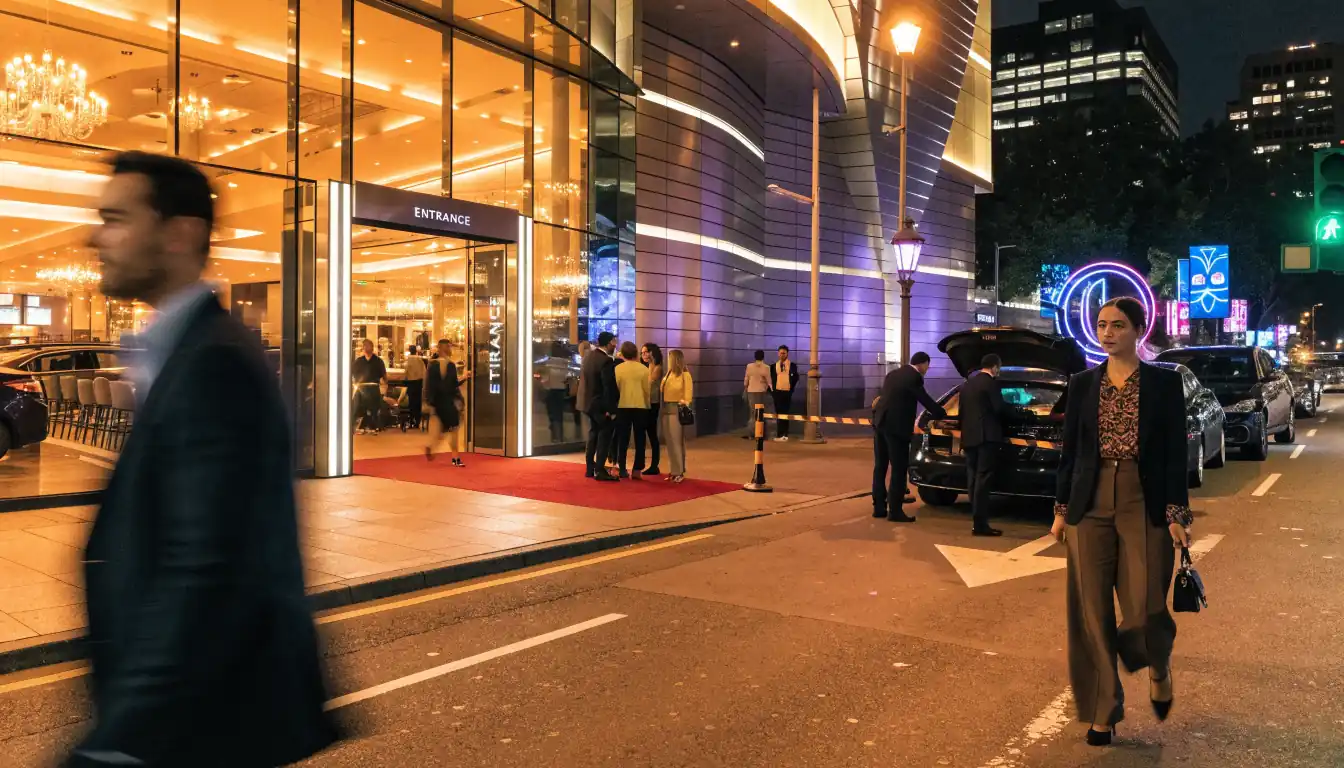
Physical integration shapes the guest journey. When evaluating hotels in Tasmania near casino venues, the defining feature is the internal corridor. The structure removes the barrier between the accommodation and the gambling floor. The minimum age to access casino offers is 18 years, and this restriction is enforced at the physical boundaries of the property. Identity verification is a strict requirement before any withdrawal is processed, and on-site security protocols dictate that hotel guests moving through the complex are subject to the same regulatory oversight as day-trippers. The room acts as a private extension of a highly monitored public space.
Availability of Off-Floor Stays
Supply dictates the experience. There is a finite number of true casino hotels in Tasmania. Because the properties are large-footprint complexes, the availability of rooms drops sharply when events coincide with high gambling traffic. When searching for Tasmania casino hotel rooms, flexibility on dates is the main lever. The integrated nature of these venues means that a standard room is not just a bed; it is a holding area between sessions at the pokies. Operators price these rooms based on the expected spend on the floor, meaning standalone hotel bookings without gaming intent are often subject to premium rates.
Sourcing Accurate Hotel Information
Specific room configurations, exact view types, and precise square footage are details that the operators do not consistently publish in public records. The physical layout of hotels in Tasmania near casino complexes changes with renovations and floor optimisations. Official sources for these granular architectural details are not openly available to the public. Reviews on Casino Crypto Guide provide insight into the experience, but verifying the exact dimensions of a specific room before arrival is difficult, as operators keep architectural specifications internal. Visitors must rely on standardised room categories rather than verified floor plans.
Weighing the Integrated Resort Model
The logic of staying on-site is purely operational. A hotel near a casino in Tasmania removes transit time. For a demographic where 38% of adults engage in gambling weekly, the friction of travelling home after a session is a deterrent. The hotels exist to capture that exact market segment. While the broader public uses these spaces for standard tourism, the underlying business model is built around keeping guests within the footprint of the complex. The room is a recharge station.
Market Volatility and Risk Management
The sheer scale of national participation drives the infrastructure. However, the market also carries inherent risk. Around 80,000–160,000 Australian adults experience significant gambling problems (0.5–1.0%). For the hospitality side of the operation, this means the environment must balance high-volume entertainment with strict oversight. Responsible gambling messaging is mandated, and BetStop provides a self-exclusion framework. Hotels attached to these floors are not insulated from these realities; the operational hours and the movement of guests are continuously observed by staff trained to identify problem behaviour. The integration of the hotel and the gaming floor means the room is part of the broader regulatory environment.
Gambling Risk
Approximately 80,000–160,000 Australian adults (0.5–1.0% of adults) experience significant gambling problems, highlighting the need for strict responsible‑gambling measures.
Poker Rooms and Gaming Zones – What Tasmania’s Casinos Offer for Players
Walk past the pokies and the gaming floors in Tasmania reveal a different rhythm. The dedicated poker rooms and broader gaming zones operate as distinct environments within the complexes. I have spent enough time on the floor to know that the layout of these areas is never an accident. The placement of tables, the noise from the electronic gaming machines, and the routing of foot traffic are all engineered to keep players on the floor. Here is how the gaming zones and poker spaces actually function.
The Main Gaming Zones
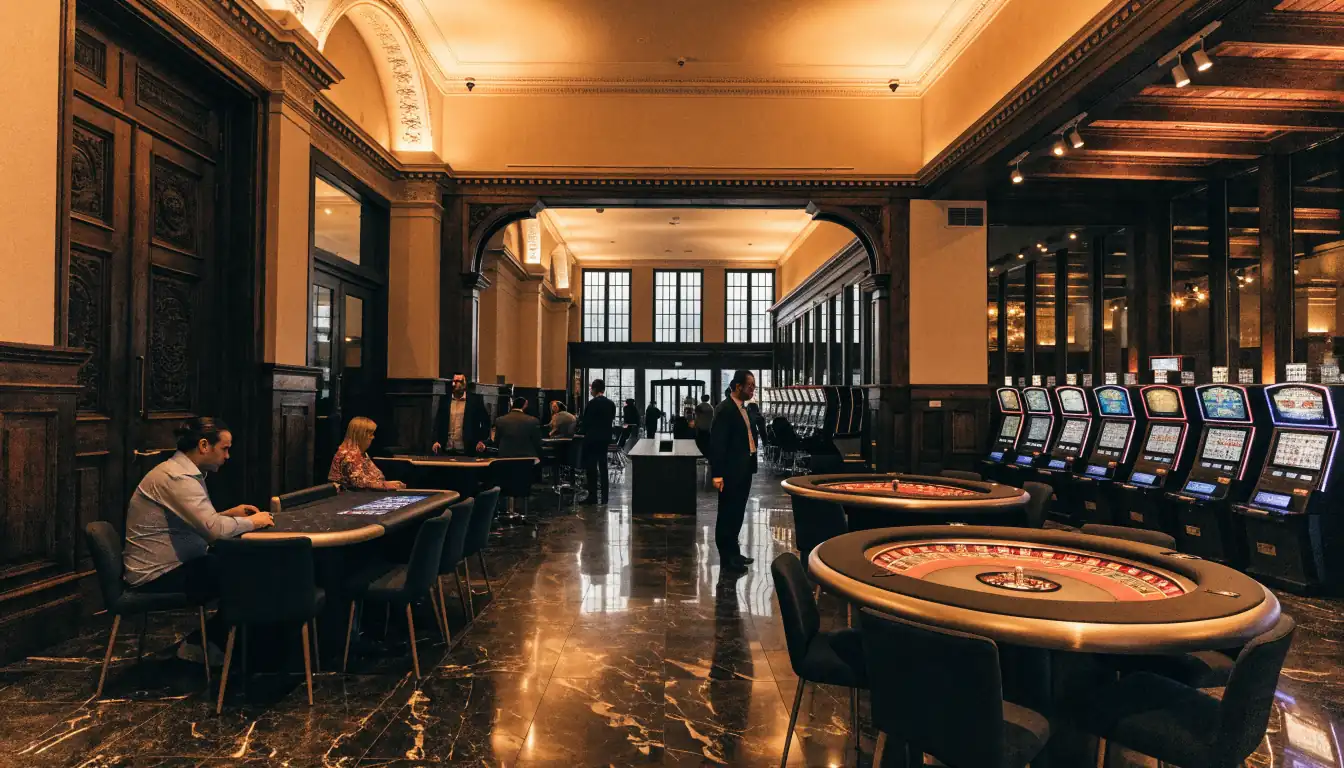
The primary gaming floors are saturated with pokies. This is the core of the Tasmanian casino experience. Beyond the flashing lights of the pokies, the general gaming zones house the table games. You will find the standard staples here: blackjack, roulette, and baccarat. The density of these tables depends entirely on the season and the day of the week. Gaming operators do not staff every available table around the clock. They monitor the floor closely and open tables based on live demand. If the floor is quiet, tables close. When the volume builds, dealers appear. Official schedules detailing when specific tables are open are rarely published. If a player is searching to see if a specific venue is operating, checking the current status directly with the complex is the only reliable method. Operators deliberately keep these operational shifts fluid rather than committing to fixed, rigid table schedules.
Poker at Tasmania’s Casino
Dedicated poker rooms in Tasmania are sectioned off from the main pokies and table game zones. Poker requires a different atmosphere. The noise and chaos of the pokies bleed into the blackjack areas, but the poker rooms are physically partitioned. This separation is practical. Poker players need to concentrate, count chips, and read the table. The physical barriers block out the ambient noise of the general gaming floor.
Cash games are the backbone of the poker rooms. Players buy in, take a seat, and play hand after hand until they decide to cash out. The stakes vary, and the tables running on any given night depend entirely on who shows up to play. The house provides the dealer, the cards, and the security, taking a small percentage of the pot or charging a time-based fee for the seat.
Tournaments and Scheduled Play
Cash games run organically, but structured poker tournaments require a schedule. Poker tournaments operate on a knockout basis. Players pay an entry fee, receive a set amount of chips, and play until they lose their stack or outlast everyone else at the tables. Tasmania’s casinos host these tournaments on specific days. The buy-in amounts, the starting chip stacks, and the blind structures are set by the casino management.
There is a significant difference between how cash games and tournaments are managed. Cash games can start with a single table. Tournaments require a mass of players to begin simultaneously. If you are planning to play in a scheduled poker tournament, checking the specific registration times is vital. Showing up late to a poker tournament usually means starting with a reduced chip stack or being entirely locked out of the event. Operators enforce strict registration cut-offs to maintain the integrity of the tournament structure.
Sports Bars and Lounges
Separating the active betting zones from the viewing areas is a standard practice. A sports bar within a Tasmanian casino complex serves as a transition space. It is not a betting terminal zone like the main floor; it is a lounge where screens broadcast continuous sports coverage. The atmosphere is different. The sound is controlled. Instead of the constant electronic trills of the pokies, the audio is routed to the sports broadcasts. While sports betting is legally regulated in Australia under state and territory licences, the physical sports bar functions primarily as a viewing and social space rather than a primary wagering hub. It provides a buffer between the intense concentration of the poker rooms and the high-energy chaos of the main pokies floor.
Ranking the Experience
When our reviewers assess the quality of these gaming zones, the evaluation is not based on a single visit. The methodology is rigorous. Reviewers deposit at least A$300 at each casino and test withdrawals to measure payout reliability. Casino rankings are recalculated every week using a weighted formula. That formula places weight on bonus generosity, payout reliability, game library breadth, customer support responsiveness, and user-submitted feedback.
Ranking Methodology
The casino ranking uses a weighted formula (30% bonus, 25% payout, 20% game library, 15% support, 10% feedback) to deliver an objective assessment.
This ranking system is applied to every aspect of the casino experience. The quality of the poker room, the availability of tournaments, and the environment of the gaming zones all feed into the broader assessment. The scoring criteria evaluate bonus transparency, cashout speed, customer care, and licensing integrity. Operators do not pay for placement in the casino rankings. The rankings exist to provide an objective measure of the casino environment, stripping away the marketing language and focusing on the actual mechanics of the floor.
Access and Age Restrictions
Access to the gaming zones, poker rooms, and sports bars is strictly controlled. The minimum age to access casino offers is 18 years. This is not a guideline. It is a legal requirement enforced at every entry point. Security personnel actively check identification at the doors. If you look under a certain age, you will be asked to provide a government-issued ID. There are no exceptions to the age rule. Attempting to enter the gaming areas without meeting the age requirement will result in removal from the premises. The physical barriers between the general public areas and the gaming floors exist to enforce this regulation. You cannot simply wander into the poker rooms or the main pokies zones without passing through these controlled entry points.
Parking and Accessibility – Getting to Tasmanian Casinos with Ease
Physical access dictates the entire rhythm of a visit to any casino in Tasmania. While much of the attention in the industry goes toward the gaming floors or the drive to find the best casino in tasmania 2026, the structural reality is that a venue’s parking capacity and its proximity to transport links determine the visitor experience before a single bet is placed. Having worked through the logistics of venue operations, I see how planning the arrival route is just as critical as budgeting for the night out.
On-Site Parking Facilities and Valet Services
When driving to a casino in Tasmania, the primary concern for most visitors is the availability and cost of on-site parking. Venues generally integrate multi-level parking structures directly adjacent to the main gaming and entertainment complexes. This setup allows guests to transition from their vehicles directly into the climate-controlled environment of the building without exposure to the elements.
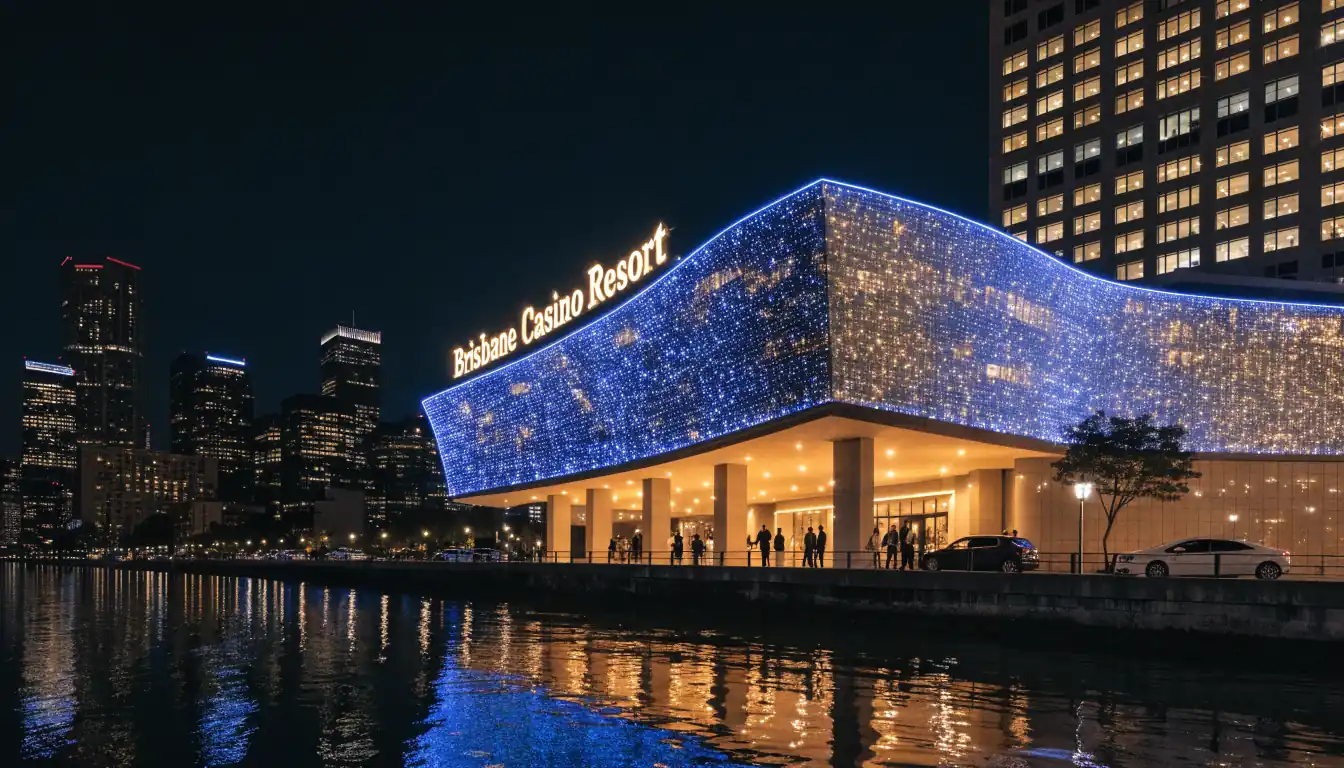
Tasmania casino parking facilities operate as a fundamental component of the venue’s infrastructure. The design of these structures prioritizes ease of navigation, with clearly marked pedestrian pathways leading directly to the main entrance lobbies. For those driving themselves, the layout aims to minimize the walking distance from the vehicle to the registration desks.
The logistics change when examining the availability of tasmania casino valet parking. Offering a valet service is a standard operational layer for premium hospitality venues. Guests pull up to a designated portico, hand over their keys, and proceed directly into the complex while attendants manage the vehicle storage. This service streamlines the arrival process, removing the need to navigate tight parking structures or carry personal belongings across vast parking lots.
The question of free parking tasmania casino operations remains a frequent point of inquiry. The availability of complimentary parking often depends on the specific structure of the venue’s loyalty programs or the nature of the visit. Visitors engaging with specific hospitality packages or holding higher-tier membership cards frequently receive validated parking, while casual walk-in visitors might face standard commercial parking rates. The operators do not publish a universal pricing model, which means the cost of parking is evaluated on a per-visit basis depending on the services utilized during the stay.
Public Transport Links
For visitors who prefer not to drive, the integration of a venue with the broader public transport network is a major logistical factor. Major entertainment complexes are typically positioned along central transit arteries. Bus routes service the areas surrounding these establishments, with stops located within walking distance of the main entrances.
The planning of these transport links is deliberate. Venues rely on a steady flow of foot traffic that does not exclusively depend on private vehicle ownership. Public transport access ensures that the venue remains reachable for a broad demographic, which aligns with the industry-wide focus on accessibility. The infrastructure is designed to handle late-night departures, with scheduled services timed to coincide with the closing hours of the entertainment floors.
Multi‑level structure directly adjacent to the entrance, with clear pedestrian pathways to the lobby.
Premium convenience where staff take your keys and you enter the complex immediately.
Often offered through loyalty programmes or specific promotions, not guaranteed for all guests.
Accessibility Features
Accessibility extends far beyond transport links. Inside the physical structures, the layout of a casino in tasmania must comply with stringent accessibility standards. This includes step-free access from the parking facilities to the main gaming floors, the installation of elevators capable of handling mobility devices, and the presence of accessible restrooms throughout the complex.
The operational focus on accessibility is partly tied to the demographic realities of the market. With 72.8% of Australian adults having gambled in the previous 12 months as of 2022, the infrastructure must accommodate a wide spectrum of physical requirements. The venues are designed to ensure that age or mobility restrictions do not prevent access to the dining and entertainment areas.
Digital Alternatives and Regulatory Realities
Discussions around physical accessibility invariably overlap with inquiries about a tasmania casino online. It is vital to clarify the regulatory framework that governs these operations. The Interactive Gambling Act 2001 is the primary Commonwealth law governing online gambling in Australia, introduced to protect the public with a focus on harm minimisation.
While the physical venues operate under state and territory licences, it is illegal to offer online casino gambling domestically. There are no domestically licensed real-money online casino operators available to Australian players. The law targets the operators, not the individuals, meaning it is not illegal for Australians to play at offshore-licensed platforms, but there is no local licensing framework to regulate or verify these digital alternatives. Consequently, any ranking or assessment of digital platforms relies on scoring mechanisms that evaluate bonus transparency, cashout speed, customer care, and licensing integrity, rather than domestic regulatory oversight.
The financial mechanics of the broader market remain robust despite these digital restrictions. Gambling revenue accounted for 7.7% of state and territory taxation revenue in 2015-16. Additionally, gambling winnings are not taxed in Australia, which shapes the economic reality for visitors engaging with both the physical gaming floors and the legally permissible wagering options available at these venues.
Accommodation Options Around Tasmanian Casinos – Hotels, Apartments & More
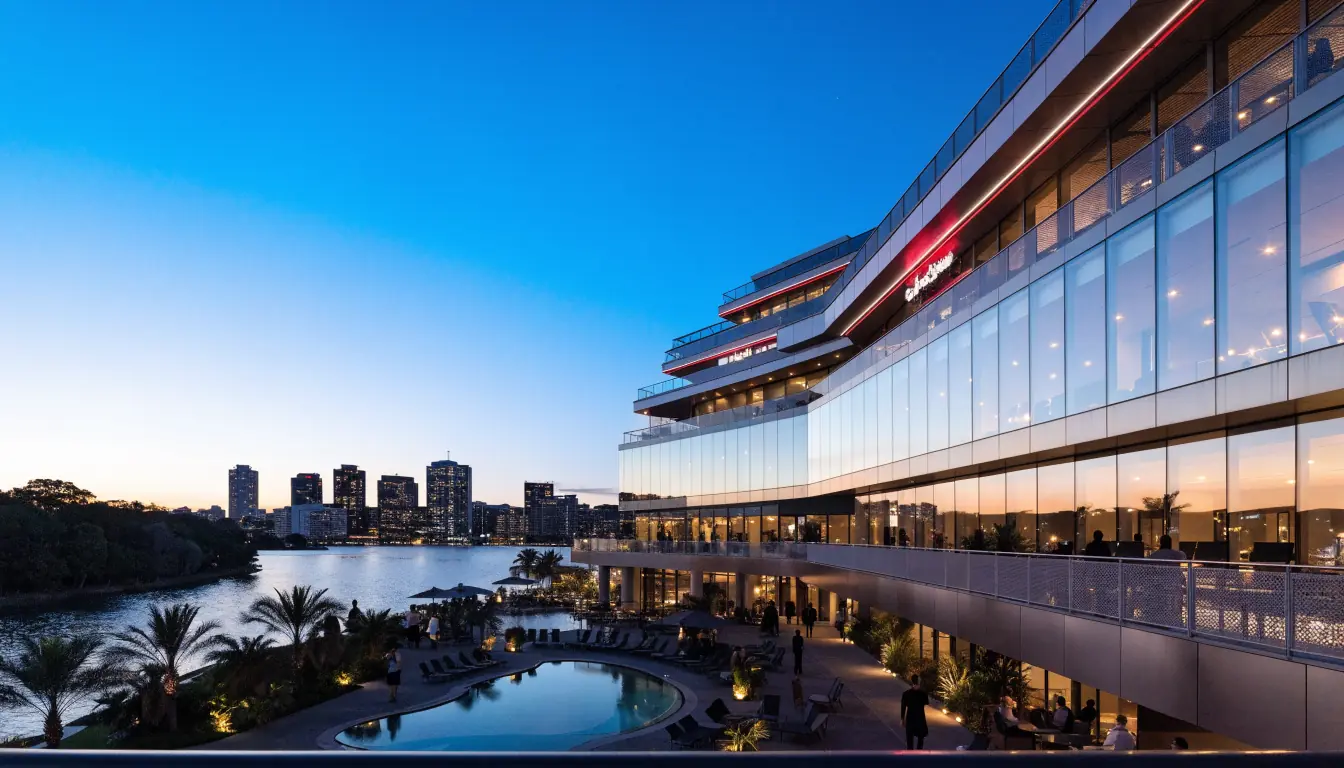
While the integrated casino resorts capture most of the attention, the surrounding precincts host the bulk of available lodging. The properties sitting adjacent to the gaming floors provide alternatives that frequently offer more space or a different price dynamic than the primary casino hotels. I have watched visitors spend hours comparing these adjacent properties, attempting to balance proximity against the sheer size of their travel group.
Independent Hotels and Serviced Apartments
The immediate vicinity of a casino precinct naturally attracts independent hotel operators. These establishments do not carry the overhead of maintaining gaming floors or large-scale entertainment venues. Consequently, their room rates operate on a different margin. A traveller looking for standard hotel services will find these nearby buildings structurally similar to the casino towers, though entirely separate corporate entities manage them.
Serviced apartments represent a significant portion of the nearby accommodation market. These units feature kitchenettes or full kitchens, separate living areas, and laundry facilities. The configuration suits visitors staying for longer stretches. The economics are straightforward: when a group occupies a two-bedroom apartment with cooking facilities, the daily spend on dining drops. The trade-off is the absence of consolidated hospitality services found inside the main casino complex.
Boutique Stays and Local Providers
Away from the high-rise clusters immediately neighbouring the casinos, Tasmania offers boutique accommodation. These are smaller properties, frequently heritage-listed buildings repurposed for modern hospitality. The appeal here is architectural character and a quieter environment. The distance requires a short drive or a taxi ride to reach the pokies and table games. Guests exchange the convenience of walking downstairs to the gaming floor for a distinct, non-corporate atmosphere.
Operators of these boutique venues set their pricing based on local seasonal demand rather than casino event schedules. Availability often tightens during regional festivals or major holidays, independent of what is happening at the casino venues.
- Book early to secure rooms during peak casino events.
- Compare integrated casino hotels with independent nearby accommodation.
- Look for promotional packages that include gaming credits.
- Verify room categories and amenities before confirming.
- Assume all rooms automatically include casino credits.
- Rely on unverified room dimensions or floor plans.
- Book without considering the casino’s event calendar.
- Expect universal free parking unless loyalty status confirms it.
Proximity and the Commute
Choosing a nearby apartment or boutique hotel over the primary casino hotel alters the logistics of a visit. The most obvious factor is the walk back to the room at the end of the evening. A nearby apartment requires navigating external streets, whereas an integrated casino hotel offers an internal elevator directly to the room.
Transport availability shifts depending on the specific casino location. Some venues sit within central business districts where public transport networks run late. Others occupy suburban or peripheral positions where vehicular travel becomes necessary. The location of the casino precinct directly dictates the viability of staying at a nearby independent property without a dedicated vehicle.
Navigating Deals and Promotions
Visitors frequently search for casino accommodation deals, expecting packaged offers that bundle lodging with gaming credits or dining vouchers. Properties not owned by the casino operator cannot issue these packages. Independent hotels near the casino sell standard room nights; they do not have the administrative mechanism to award promotional chips or loyalty points for the gaming floor.
Any genuine promotion involving pokies or table game play must originate from the casino operator itself and apply to its own integrated hotel. Third-party booking platforms and independent apartment managers simply sell unallocated rooms. The "deal" in these cases is usually a standard seasonal discount or an extended-stay reduction, entirely disconnected from the casino’s promotional structure.
Broader Market Constraints
It is necessary to clarify the regulatory environment surrounding these precincts. The Interactive Gambling Act 2001 (IGA) is the primary Commonwealth law governing online gambling in Australia, introduced to protect the public with a focus on harm minimisation. Sources occasionally cite the Interactive Gambling Act 1997 as the legislation prohibiting the provision of online casino games to Australian residents. This discrepancy in historical reporting does not change the current operational reality: online casino style games, including slots, poker, blackjack, and roulette, are prohibited under the Interactive Gambling Act 2001.
What this means for the physical accommodation market is that the brick-and-mortar casino venues remain the sole legal venues for such gaming. The nearby apartments and independent hotels cannot legally offer any form of in-room gambling beyond unregulated offshore internet access. The appeal of booking adjacent accommodation relies entirely on physical proximity to the licensed gaming floors, not on any digital gaming provision.

When assessing where to stay, the decision ultimately rests on whether a visitor requires the integrated convenience of the casino’s own hotel or the autonomous, self-catered environment of a neighbouring property.
Contact Points – Phone, Email, and On‑Site Services at Tasmania’s Casinos
When visitors look up a Tasmania casino contact number, they usually need to reach the front desk, the concierge, or the gaming floor manager. Land-based venues operate like any large hotel in this regard: the main switchboard routes calls to specific departments. Direct email channels handle room reservation amendments, function enquiries, and event bookings. This is the standard level of on-site assistance.
The same switchboard fields queries that come in about the casino bar Tasmania patrons visit after the tables close, or questions about upcoming Tasmania casino concerts. Phone operators transfer these calls to the respective entertainment or food and beverage coordinators. For complex scheduling details, staff on the floor generally defer to email so they have a written record of the request.
A valid Tasmania casino map is typically available at the main entrance or the concierge desk. For those driving in, staff at the entry can direct you to the Tasmania casino car park entrances, though parking facilities belong in a separate discussion. The point of contact here is purely directional; security and parking attendants manage the physical flow of vehicles, not the front desk.
Visitors sometimes ask about specific table games. The reality is that brick-and-mortar operations in the state focus heavily on variants of roulette, blackjack, and baccarat. If you are looking for a Tasmania casino baccarat table, calling ahead to the gaming floor manager confirms current table availability and opening hours. In my experience, pit bosses handle these direct enquiries better than the main switchboard, as they know exactly what is open on any given night.
Craps is a frequent point of confusion. Search traffic for Tasmania casino craps exists, but finding a dedicated craps table is difficult. Casinos rarely run these tables continuously due to lower player turnout; calling the venue directly is the only way to verify if a table is operating on a particular evening. Operators simply will not staff a table that sits empty.
Offshore Risks
Contacting offshore online casino operators exposes you to unregulated services and offers no local consumer protection under Australian law.
I approach calls about offshore platforms differently. People ask for a casino Tasmania contact number expecting to find a local operator. There are no domestically licensed real-money online casino operators available to Australian players; the law targets operators, not players, and it is illegal to offer online casino gambling in Australia. If you contact a domestic land-based venue, their staff cannot and will not process deposits for online play.
If you are looking for an online entity, understand that the Interactive Gambling Act 2001 governs this space. It is not illegal for individual Australians to play at offshore-licensed online casinos. However, any online casino, poker, and in-play betting is prohibited federally. When I see websites offering an online casino contact email, I know those operators function offshore. There is no local entity to ring, no local licence to verify, and no domestic regulator to complain to. Online sports betting, conversely, is legal in Australia under state and territory licences.
For on-site matters, staff deal with guests face to face. Lost and found, medical incidents, and general floor disputes require immediate escalation to the duty manager. If a dispute over a payout or a game result occurs on the floor, surveillance reviews the footage and the pit manager makes the call right there. Staff do not direct patrons to an email address for immediate table disputes.
For remote enquiries about function spaces, conferences, or concert schedules, email is preferred. For live table availability, calling the gaming floor is the most direct route. Know which department holds the answer.
Dining, Buffets and Employment – Food, Jobs and Rewards at Tasmanian Casinos
When patrons look up a Tasmania casino resort, the expectation usually involves a cohesive experience rather than just a room and a bank of pokies. I have watched operations managers try to tie these elements together to increase dwell time. The goal is always to keep visitors inside the complex, moving seamlessly from the gaming floor to the dining areas and back. Buffets serve as the primary tool for this retention.
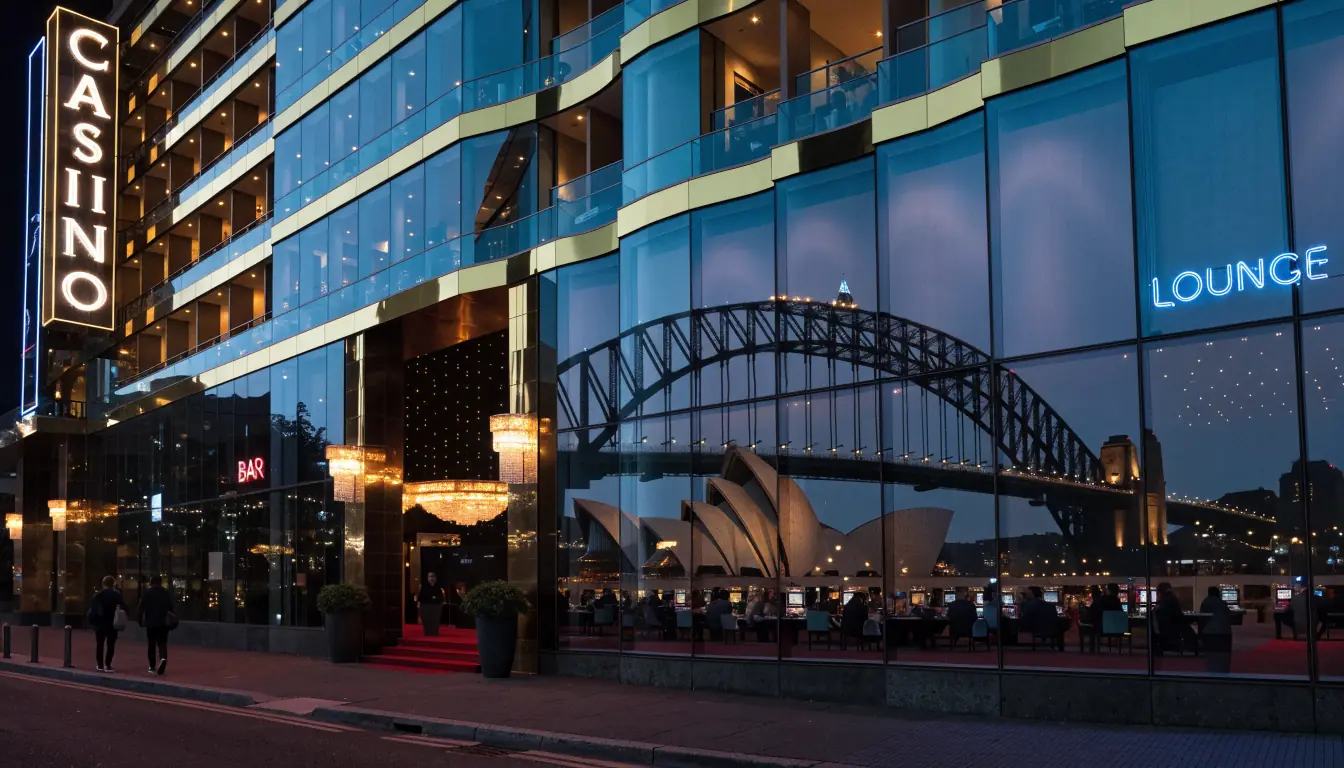
Running a Tasmania casino buffet is a logistical exercise that relies on volume and turnover. A buffet breakfast in Tasmania casino venues operates on a simple premise: provide immediate seating for guests who have been up all night or are arriving early, minimising friction. The traditional all-you-can-eat format applies here, designed to satisfy hunger quickly without the wait times of a cooked-to-order kitchen. Food quality in a buffet setting is a matter of batch management. Ingredients are prepared in bulk, and freshness relies entirely on how quickly the trays are cycled. It is not haute cuisine, but it serves the functional purpose of feeding large crowds efficiently before they return to the tables.
While buffets handle the volume, standard restaurant-style meals handle the guests seeking a sit-down experience between sessions. For many, a casino breakfast in Tasmania is a routine part of the stay, offered either as a standalone purchase or bundled into accommodation packages. Standardising these meals allows management to control food costs and staffing requirements. The kitchen staff prepare the same items repeatedly, which streamlines procurement and reduces waste. This separation between high-volume buffet service and standard restaurant meals is a core operational dynamic.
Employment Dynamics on the Casino Floor
A Tasmanian casino complex is essentially a hospitality business with a gaming license attached. Looking at casino jobs in Tasmania reveals that the majority of staff are not dealing cards or managing pokies. The hospitality sector absorbs a massive portion of the payroll.
Jobs at a casino in Tasmania span several departments:
- Kitchen staff: Chefs, line cooks, and dishwashers responsible for the continuous output of buffet and restaurant meals.
- Front of house: Waitstaff, bartenders, and baristas who manage the dining areas.
- Cleaning and maintenance: Teams handling the constant turnover of dining tables and public spaces.
- Customer service: Staff processing loyalty programme entries and general inquiries.
A casino job in Tasmania involves navigating a strict regulatory environment. The minimum age to access casino offers is 18 years, which sets the baseline for employment eligibility. However, there is a persistent discrepancy in the regulation of online gambling. The Interactive Gambling Act 2001 prohibits the provision of online casino games to Australian residents, yet some sources cite an Interactive Gambling Act 1997. This legislative mismatch creates confusion, though it does not affect the daily operations of physical hospitality and gaming staff on the ground. Physical venues operate under state and territory licences, distinct from the federally restricted online casino market.
Casino rewards programme
A casino rewards programme tracks player spend and activity on the gaming floor, awarding comps such as meal vouchers or free drinks based on the player’s theoretical loss.
Operational Mechanics of Casino Rewards
The marketing of a Tasmania casino rewards programme is designed to look like a perk, but the underlying mechanics are purely transactional. These programmes track spending and time on the floor, translating that data into comps. Common rewards include discounted meals at the buffet or complimentary beverages.
I have seen how these systems track user behaviour to optimise the floor layout. If data shows that patrons tend to head for a meal after a specific duration of play, the system will automatically generate a dining voucher valid for that exact timeframe. The intent is to interrupt the player’s session with a meal, ensuring they eat on-site rather than walking out the door to an external restaurant. The value of the rewards is carefully calculated against the player’s theoretical loss. This ensures that the cost of the buffet breakfast or restaurant credit is always covered by the revenue generated during the gaming session.
Ultimately, the integration of food service and employment within these complexes serves a singular function. It creates a closed-loop environment where money stays within the operator’s ecosystem. By controlling the dining options and managing the staffing required to deliver them, operators ensure the venue remains self-sufficient.
Restaurant Selections Inside Tasmanian Casinos – Variety and Quality
Walk into a casino in Tasmania and the restaurant layout follows a predictable logic. The venues are built to keep visitors on the property, and integrating dining directly into the gaming floor achieves exactly that. You do not have to leave the building to find a meal; the food is positioned to intercept you on your way to or from the pokies. This setup is not accidental. It is an architectural choice designed around player retention. While general dining and buffet options exist elsewhere in these complexes, the dedicated restaurants on the gaming floors offer a different tier of service — sit-down meals, waiter service, and a deliberate attempt at atmosphere.
Cuisine Types on the Gaming Floor
The restaurant selections inside Tasmanian casinos tend to fall into a few reliable categories. Steak houses are a staple. Heavy red meat menus, seafood platters, and charcoal grills dominate the offerings because they pair well with the demographic that frequents the gaming floor — adults who have the disposable income to spend on both a meal and a bet. Asian cuisine is another mainstay. Noodle bars and dim sum service are positioned to offer fast turnover for players who want a quick bite without leaving the casino floor. Bistros serving local Tasmanian produce — salmon, oysters, and regional cheeses — also feature prominently. These menus exist to give the venue a local identity, distancing it from generic casino dining.
Service Styles and Operational Mechanics
The service style in these restaurants is heavily dictated by their location. Because they sit adjacent to the pokies and gaming tables, the dining experience is engineered around minimal disruption to gambling. Waitstaff often process payments tableside, allowing patrons to return to the machines without detouring to a front register. The kitchens operate late. Unlike standard restaurants in Tasmania that close their kitchens mid-evening, the eateries inside casinos run continuously alongside the gaming floor. They cater to players who eat at irregular hours. The service is functional, attentive, and explicitly designed not to interrupt the flow of play.
The Financial Reality Behind the Menu
Looking at the broader financial machinery, the dining options are a small part of a massive industry. Australians placed bets totalling A$244.3 billion in the 2022–23 financial year. The restaurant selections inside a Tasmanian casino exist to capture a fraction of that flow, keeping the money spent on food circulating within the same building as the money spent on gambling. The food is not a loss leader. The margins on beverages and quick-service meals supplement the venue’s revenue. In mid-2026, Australia’s largest superannuation funds held over A$14.8 billion in publicly listed igaming companies. The capital backing these complexes is immense, and the food infrastructure is a direct beneficiary of that investment.
Age Restrictions and Floor Access
Access to these restaurants is restricted by law. The minimum legal age to enter the gaming floor in Australia is 18. Because the restaurants are located within the gaming zones, you must be 18 or older to dine there. This is a hard regulatory boundary. While nearly 46% of 18-19-year-olds in Australia engage in gambling, and approximately 30% of 12-17-year-olds do so as well, the restaurants inside Tasmanian casinos operate strictly within the legal age framework. The venues enforce ID checks at the floor entrances. If you do not meet the minimum age requirement, you cannot access the dining facilities tied to the gaming areas. There are no exceptions made for diners. The restriction is absolute.
Wellness Facilities – Spas, Pools and Relaxation Areas at Casino Resorts
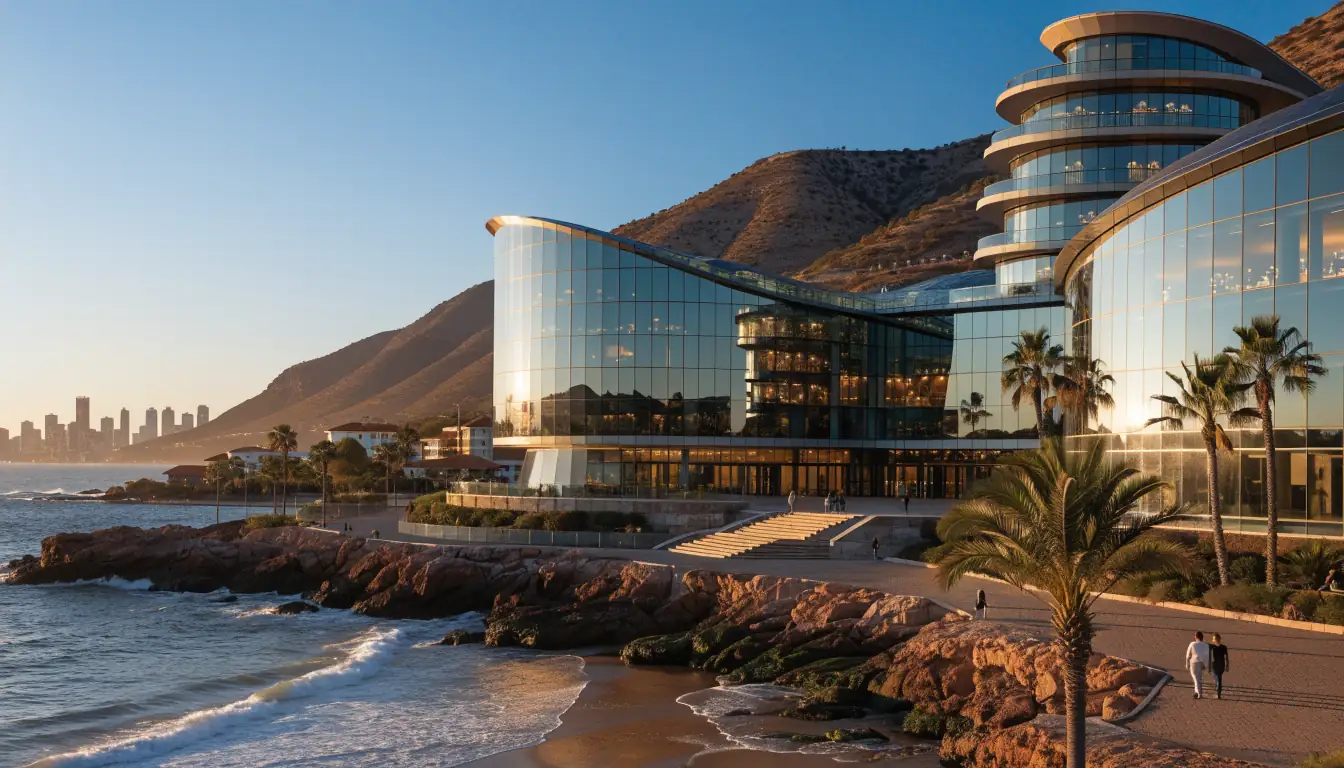
Walking onto a gaming floor changes a person. The ambient noise, the strategic lighting, the cognitive load of processing odds and managing bankrolls — it elevates the heart rate. In Australia, the sheer volume of this activity is staggering. Australians placed bets totalling $244.3 billion in 2022–23, with gambling losses amounting to $31.5 billion in the same period. That is an immense amount of sustained psychological pressure. When guests eventually step away from the tables, the drop in stimulation needs to be deliberate and managed. This is where the wellness infrastructure of a casino resort does its heaviest lifting.
The Mechanics of Decompression
A casino spa operates differently from a standalone day spa. The treatment menus are built around rapid recovery. Guests looking for a Tasmania casino day spa experience are not usually seeking esoteric holistic journeys. They want to neutralise the physical toll of sitting at machines or standing at felt tables. Muscle tension accumulates in the neck and shoulders. Massage services focus on basic circulatory restoration. Before returning to the floor, players need a clean physical reset. The ambient design of these wellness centres enforces this. Dim lighting and soundproofed treatment rooms create a sharp sensory contrast to the pokies halls, allowing the nervous system to recalibrate.
Expectations at the Entrance
I have watched guests try to walk straight from a pokies bay into a treatment room. It does not work that way. Operational protocols require a buffer. The dress code at any spa facility inside a casino resort demands a complete change out of gambling attire. Clean robes and designated relaxation lounges enforce a physical separation between the betting environment and the wellness zone. The casino bars might be steps away, but the transition into the spa is strictly gated to preserve the hygiene and atmosphere of the wellness areas.
Structured Leisure
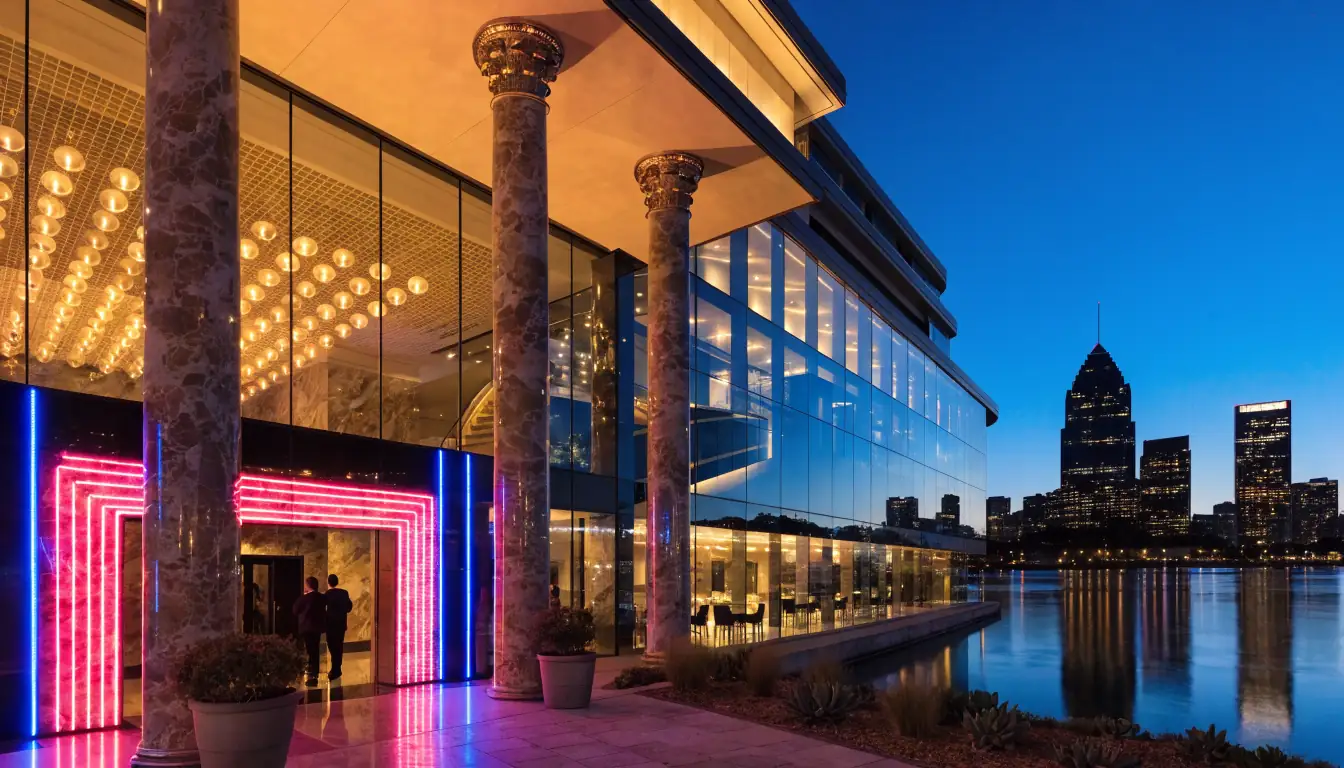
The swimming facilities at these resorts serve a similar function. They are engineered for low-impact decompression rather than athletic training. The water temperature is maintained at a level that promotes passive muscle relaxation. Adjacent sauna and steam rooms clear the senses. Because 38% of Australian adults gambled at least once per week in 2022, resorts see a high proportion of regular, repeat visitors. These guests do not need novelty. They rely on the predictable, functional availability of these wellness amenities to sustain their stamina over multiple days. A sauna session is not a luxury here. It is a tool for endurance.
Food Courts and Pool Areas – Quick Bites and Leisure Swimming
The gaming floor dictates the rhythm of a venue. When visitors need a break from the pokies or the tables, quick-service food and leisure pools provide a convenient way to reset without leaving the complex.
Grabbing a quick bite inside a Tasmanian casino relies on on-site food courts. These are not expansive shopping centre setups but practical hubs placed strategically near the gaming zones. Visitors order at counters, collect their meals, and return to the gaming floor. The offering focuses on speed: sandwiches, burgers, and coffee. While comprehensive sit-down dining is covered separately, these food courts exist purely to keep players on the premises. The venue takes a cut of the revenue, so keeping visitors from leaving to find external food is a deliberate operational tactic. The food is functional. It serves a purpose.
Away from the tables, casino pools offer a different kind of relief. In the context of per-capita gambling bets of AUD 9,885 in FY 2020-2021, with a loss of AUD 1,200, taking a break to swim is a practical way to clear one’s head. Leisure pools at these resorts are designed for relaxation rather than rigorous exercise. They provide a quiet contrast to the noise of the gaming floor.
With around 80,000–160,000 Australian adults experiencing significant gambling problems, operators use these leisure areas to demonstrate a commitment to broader hospitality. It is easier to market a property as a comprehensive resort when you offer a pool. The water is an amenity, but it is also a distraction. A simple dip.
For broader wellness treatments, see the spa facilities section. Food courts handle the rush. Pools handle the downtime.