
Best Pokies in Melbourne 2026: RTP, Venues and Crown Guide
Melbourne Pokies Payout Percentages: What the RTP Figures Really Mean
The market benchmark for RTP in Australian online casinos is 96%. A game’s Return to Player figure is a long-term theoretical measure of how much a game returns over many spins. A 96% RTP means an average return of 96% over millions of spins, not a guarantee per $100 wager. I have watched players chase losses on a volatile machine all afternoon, completely certain that a payout is mathematically overdue. It is not. The RTP aggregates outcomes across the entire network, quietly absorbing the bankrolls of players who walked away early. It does not track individual sessions. A machine can run cold for days before a single sequence of spins brings the aggregate calculation back into equilibrium. Checking a game’s underlying volatility matters far more than chasing a high percentage. Lower volatility yields smaller wins more often; higher volatility means less frequent but potentially larger wins.
Top Melbourne Pokies to Play in 2026 – Physical Slots at Crown and Beyond
Choosing where to play pokies online comes down to licensing, how generous and fair the welcome offer actually is, and how quickly you can get paid — so here’s a rundown of what stands out about each option.
License: Curacao OGL/2024/1335/0780 · Bonus: up to A$1,000 + 150 free spins, wager-free · Min. deposit: EUR 20 Holds a Curacao OGL license and pairs a solid welcome package of up to A$1,000 plus 150 free spins with wager-free terms, meaning winnings from the bonus aren’t locked behind rollover requirements. The minimum deposit is set at EUR 20.
License: Curacao · Bonus: 100% up to A$500 + 200 free spins, 10x wagering · Payout speed: crypto 30-60 minutes, fiat 1-5 days · Min. deposit: A$10 Licensed in Curacao, this operator offers a 100% match up to A$500 with 200 free spins at a manageable 10x wagering requirement. Crypto withdrawals land in as little as 30-60 minutes, while fiat payouts take 1-5 days, and the minimum deposit is just A$10.
License: Curacao eGaming (Dama N.V.) · Bonus: up to A$10,000 + 180 free spins, 40x wagering Operating under a Curacao eGaming license via Dama N.V., this casino offers one of the larger bonus ceilings on this list at up to A$10,000 plus 180 free spins, though the 40x wagering requirement is on the steeper side.
License: Curacao · Bonus: up to A$10,000 multi-stage + 500 free spins · Min. deposit: A$20 (POLi) A Curacao-licensed casino with a multi-stage bonus reaching up to A$10,000 combined with 500 free spins, giving players an extended welcome offer across several deposits. The minimum deposit is A$20 via POLi.
Bonus: up to A$7,500 + 550 free spins across 10 deposits, 50x wagering · Payout speed: crypto under 1 hour, PayID 1-3 business days · Min. deposit: A$20 (A$30 to qualify for the bonus) Spreads a bonus of up to A$7,500 with 550 free spins across 10 deposits, so the value builds gradually rather than all at once, subject to 50x wagering. Crypto payouts arrive in under an hour, while PayID withdrawals take 1-3 business days; a A$30 deposit is needed to qualify for the bonus.
License: Curacao Gaming Control Board OGL/2023/176/0095 (Hollycorn N.V.) · Bonus: up to A$5,000 + 300 free spins across 4 deposits Licensed by the Curacao Gaming Control Board under Hollycorn N.V., this casino offers up to A$5,000 in bonus funds plus 300 free spins spread across four deposits.
License: Curacao · Bonus: up to A$2,000 A Curacao-licensed casino offering a straightforward welcome bonus of up to A$2,000.
Bonus: 100% up to A$750 + 200 free spins, 35x wagering · Payout speed: crypto 30-120 minutes, fiat 24-72 hours · Min. deposit: A$30 Offers a 100% bonus up to A$750 with 200 free spins at 35x wagering. Crypto withdrawals are processed within 30-120 minutes and fiat within 24-72 hours, with a minimum deposit of A$30.
Bonus: up to A$750 + 50 jackpot spins, 35x wagering · Payout speed: crypto ~90 minutes, fiat 1-5 days · Min. deposit: A$30 Combines a bonus of up to A$750 with 50 jackpot spins at 35x wagering, adding a jackpot-themed twist to the welcome offer. Crypto payouts take around 90 minutes and fiat 1-5 days, with a A$30 minimum deposit.
License: Curacao Gaming Control Board · Bonus: up to A$5,000 + 400 free spins Licensed by the Curacao Gaming Control Board, this casino backs its welcome package with up to A$5,000 in bonus funds plus 400 free spins.
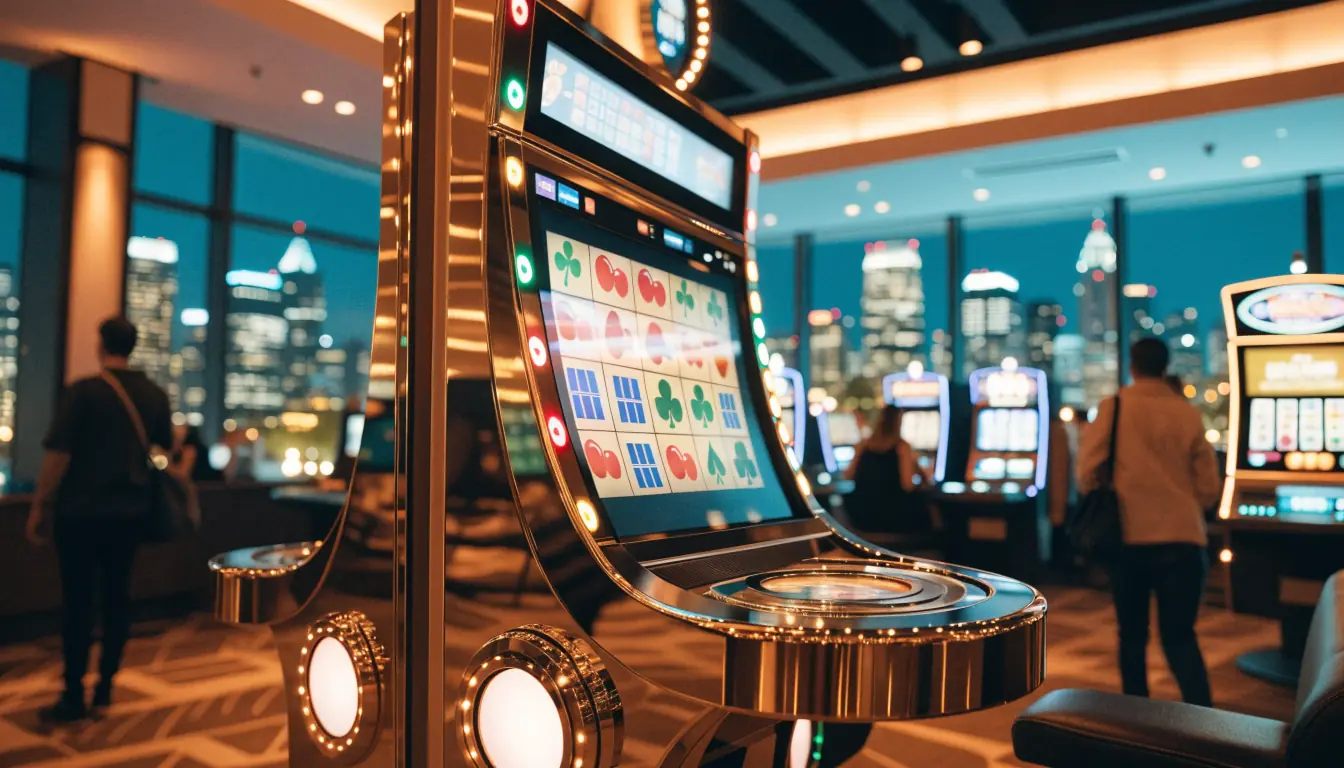
Step onto the main gaming floor at Crown Melbourne and the first thing that hits is the acoustic density. Hundreds of reel-based gaming machines operate simultaneously, generating an ambient roar of digital bells, algorithmic chimes, and sporadic celebration bursts. As industry insiders, we regularly monitor this environment to track the shifting landscape of physical hardware. Aussie pokies, at their operational core, are reel-based casino games built around simple play but huge variety. While the underlying objective across the vast majority of these machines remains unchanged—align symbols across designated paylines—the execution, mechanical structures, and peripheral features vary drastically.
Crown Melbourne functions as the primary high-density venue for physical pokies in the state, but the distribution network for these machines extends far beyond that single complex. The regulatory environment in Victoria permits licensed venues to host electronic gaming machines, resulting in a widespread distribution network. Walk through different municipal zones and the hardware deployment becomes immediately apparent. Observing the distribution patterns across specific geographic sectors provides a structural map of physical gaming access in the greater metropolitan area.
When analyzing the venues in South Melbourne, the focus shifts toward localized hospitality venues where electronic gaming machines operate alongside traditional bar and bistro services. The operational hours are strictly regulated, and the machine placement favors high-traffic thoroughfares within the venues. Moving to the residential and industrial zones, pokies in Port Melbourne operate under the same state-wide regulatory framework. The venues here range from large-scale hospitality complexes to smaller local leagues clubs. The distinction between these locations and the primary casino complex lies entirely in scale and floor space, not in the underlying technology of the machines themselves.

Crossing the river, pokies in North Melbourne represent a growing sector of localized gaming. The hardware deployed here is serviced and maintained under identical compliance schedules to those on the main casino floor. Further east, the demographic shifts, but the core engineering remains constant. Venues hosting pokies in East Melbourne cater to a specific demographic, utilizing machine cabinets that emphasize player tracking systems and localized loyalty programs. Moving toward the central business district, the concentration of venues hosting pokies near Melbourne Central is remarkably high. The foot traffic in this commercial hub dictates a deployment strategy focused on rapid turnover and high hit-frequency machines. Players stepping off the train networks and looking for immediate gaming access find densely packed floors optimized for short session durations.
Transport infrastructure plays a critical role in physical gaming accessibility. Facilities featuring pokies near Melbourne Airport cater predominantly to transient populations and shift workers. The operational logistics of an airport-adjacent venue dictate a different cabinet placement strategy compared to a suburban club. Machines here are calibrated for extended idle periods followed by sudden peak occupancy, requiring specific volatility configurations. Looking at the broader residential belts, the deployment of pokies in the Western Suburbs of Melbourne constitutes a massive share of the state’s physical gaming infrastructure. These venues are substantial, often occupying large footprints in suburban commercial zones. The gaming floors in these western zones are heavily populated, utilizing advanced player tracking and data analytics to optimize floor hold percentages.
Crown Melbourne stands as the central hub for physical gaming in the state, operating the largest concentration of electronic gaming machines in the southern hemisphere. But the architecture of the floor, the placement of the cabinets, and the specific software running on those cabinets dictate the actual player experience. The casino floor is not a uniform carpet of identical machines. It is a carefully curated environment where the house edge, the volatility profiles, and the hit frequencies are balanced against the psychological endurance of the player base. Finding the actual top-performing physical pokies in Melbourne requires looking past the flashing lights and examining the underlying mathematics of the deployed hardware.
Understanding Floor Volatility and Hit Frequencies
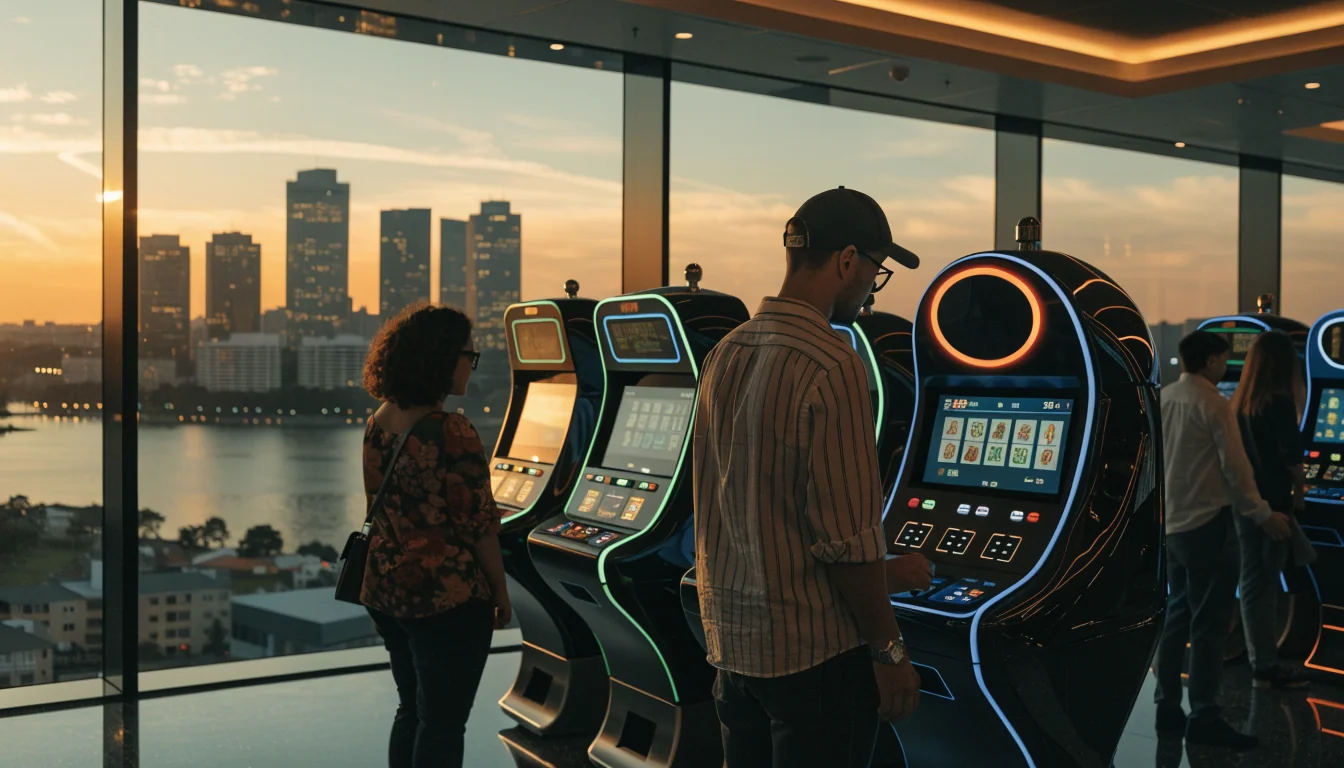
When we evaluate a physical pokie, the aesthetic presentation is secondary to the mathematical model running inside the cabinet. The most critical metric for a physical machine on a casino floor is its volatility. Lower volatility means smaller wins more often, while higher volatility means less frequent but potentially larger wins. Casinos structure their floors by clustering volatility profiles. High-traffic areas near entrances and walkways feature low-volatility machines. These machines are engineered to provide frequent, small payouts to extend the time on device. A player experiencing regular small returns is less likely to leave the floor quickly. Balanced pokies have a hit frequency between 25% and 35%. This means that statistically, one in three to one in four spins will result in some form of payout. This ratio is the sweet spot for floor managers. It keeps the player engaged without rapidly depleting their bankroll, maximizing the overall time spent on the machine.
Deep into the floor, away from the main thoroughfares, the volatility profiles shift. Here, the high-variance machines reside. These cabinets are designed for players seeking substantial payouts. The hit frequency on these machines is drastically lower, but the potential top-end multipliers are significantly higher. The casino relies on these machines to generate the large jackpots that drive the overall floor narrative. When a machine pays out a substantial sum, it becomes a marketing tool for the entire floor. The placement of these machines is deliberate. They are positioned to draw players deeper into the gaming environment, forcing them to pass by hundreds of other machines to reach them. The architecture of the casino floor is a study in behavioral routing, and the volatility of the pokies is the primary mechanism for controlling player movement.
Floor Volatility Impact
Volatility profiles dictate machine placement and drive player movement through the casino floor.
The Aristocrat and Ainsworth Dominance in Physical Cabinets
Aussie pokies are reel-based casino games built around simple play but huge variety. The variety, however, is heavily consolidated among a select group of manufacturers. Walking the floor at Crown Melbourne, the physical dominance of Aristocrat Gaming is immediately apparent. As an Australian-founded company, Aristocrat has historically controlled the physical cabinet market in the country. Their hardware is specifically engineered for the local regulatory environment and the preferences of the local player base. The cabinets are robust, designed for continuous operation, and feature user interfaces that prioritize tactile feedback. Button placement, the resistance of the spin mechanism, and the angle of the screen are all meticulously tested variables.
The games running on these Aristocrat cabinets rely on proprietary mathematics. While the themes vary widely—from localized cultural references to generic adventure narratives—the underlying RNG (Random Number Generator) architecture remains consistent across the manufacturer’s portfolio. Ainsworth Game Technology represents the other major pillar of physical cabinet manufacturing in Melbourne. Founded by Len Ainsworth, a former Aristocrat executive, Ainsworth machines share many operational similarities with their larger competitor. The cabinets utilize similar screen technologies and button arrays. The distinction lies in the volatility profiles. Ainsworth machines historically favor higher volatility configurations. Their games are designed to offer larger top-end multipliers, appealing to a demographic of players willing to sustain longer dry spells in pursuit of significant payouts. The deployment of Ainsworth cabinets on the Crown floor is strategically balanced against the Aristocrat inventory to ensure a diversified floor hold.
Audited Fairness and the RNG Infrastructure
The integrity of a physical pokie rests entirely on its Random Number Generator. Reputable online casinos use RNG-based games and audited providers, but the physical market operates under a different, equally stringent regulatory framework. Every cabinet deployed in Victoria must pass rigorous testing before it is permitted on a gaming floor. The testing protocols verify that the RNG operates without bias and that the actual return-to-player percentages match the configured settings. While the market benchmark for RTP in Australian online casinos is 96%, the physical cabinets on the Crown floor operate under different regulatory mandates. The RTP for physical machines is set by the venue in consultation with the manufacturer, within strict state-mandated limits.
The RNG software running inside these physical cabinets is not open-source. It is proprietary code, sealed within the hardware to prevent tampering. Testing laboratories subject these algorithms to billions of simulated spins to verify the distribution of outcomes. The auditing process for physical machines involves verifying the EPROM (Erasable Programmable Read-Only Memory) chips inside the cabinet. If the code on the chip does not match the approved code from the testing laboratory, the machine is non-compliant and must be removed from the floor. This hardware-level auditing distinguishes physical pokies from their online counterparts. In an online environment, the RNG is server-based and can be audited remotely. In a physical cabinet, the auditing requires physical access to the machine’s internal boards.
Navigating Crown Melbourne: Zones and Machine Deployments
The main gaming floor at Crown Melbourne is not a monolithic space. It is divided into specific zones, each with a distinct operational focus. The banks of machines near the primary entrances are configured for rapid throughput. These are predominantly low-denomination, low-volatility machines. The objective here is volume. The turnover rate is high, as players use these machines for short sessions between other activities on the property. Moving deeper into the floor, the denominations increase. The higher-denomination machines are situated in quieter, more secluded areas. These zones cater to a specific demographic of player who prioritizes privacy and extended play sessions over the communal atmosphere of the main floor.
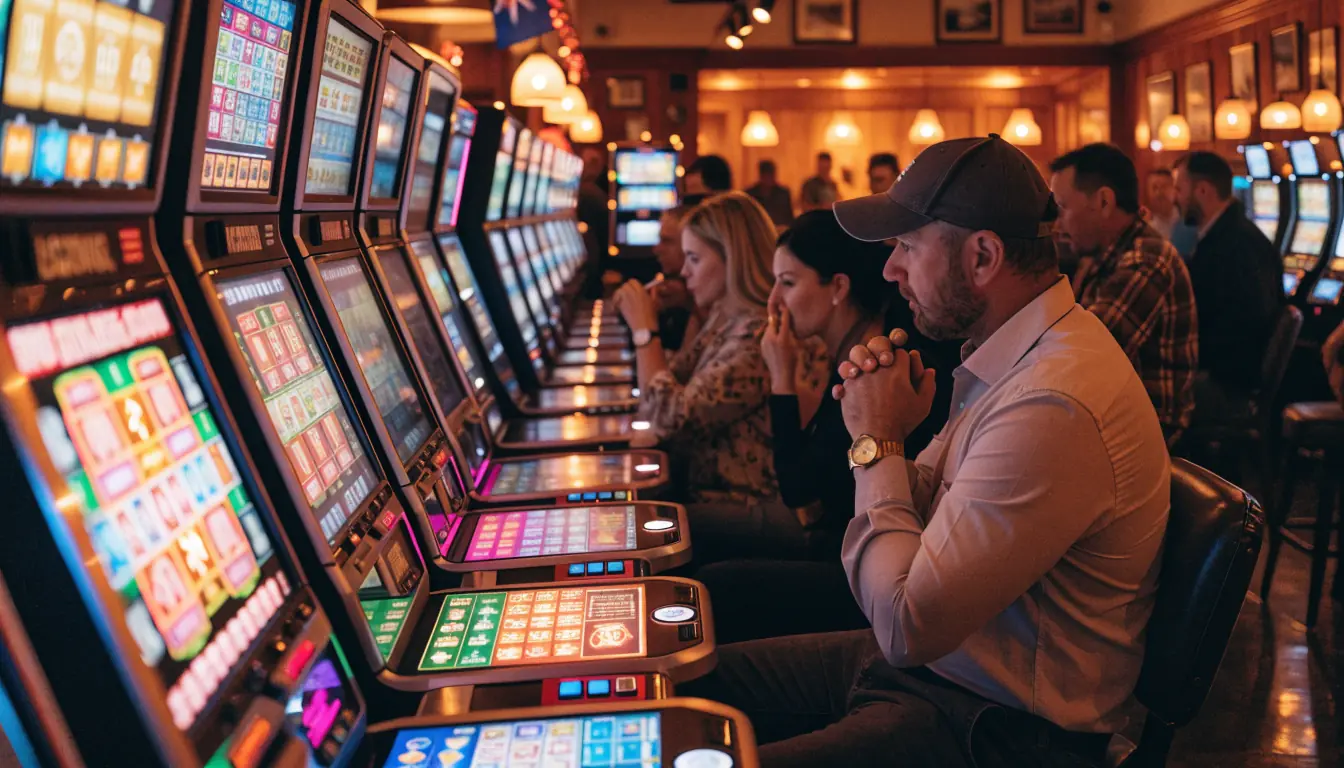
The deployment of specific game titles across these zones is data-driven. Floor managers track the performance of individual machines with granular precision. The hold percentage, the drop, and the time on device are monitored in real-time through the venue’s central management system. If a specific cabinet consistently underperforms in a particular zone, it is relocated. The physical floor is a dynamic environment, constantly reconfigured to optimize revenue. This data-driven approach to floor management means that the "best" pokies are not static entities. A machine that performs exceptionally well in a high-traffic zone might fail to generate the same revenue in a quieter section of the casino. The context of the machine’s placement is as critical as the mathematics inside the cabinet.
Beyond Crown: Suburban Venue Hardware and the Local Market
The physical pokie market extends far beyond the confines of the Crown complex. The suburban landscape is populated with licensed venues, each housing their own banks of electronic gaming machines. The hardware in these suburban venues is fundamentally identical to the hardware on the Crown floor. The same Aristocrat and Ainsworth cabinets are deployed across the state. The distinction lies in the operational environment. A suburban venue operates on a smaller scale, with fewer machines and a more localized customer base. The floor management strategies differ. A suburban venue cannot rely on the same volume of transient foot traffic as a major casino. Consequently, the machine selection in these venues prioritizes games with strong player retention metrics.
High-density venue with thousands of machines; uses low‑volatility cabinets near entrances and high‑volatility units deeper inside.
Smaller scale locations with fewer machines; hardware identical but focus on retention‑oriented titles and adjusted denominations.
The regulatory oversight extends equally to these suburban locations. The Victorian Gambling and Casino Control Commission (VGCCC) mandates that every electronic gaming machine in the state, regardless of its location, must be connected to a central monitoring system. This system tracks every spin, every dollar inserted, and every payout generated. The data is used for tax assessment and regulatory compliance. The presence of this centralized monitoring system ensures that the odds and the RTP configurations on a machine in a suburban venue are verifiable. The integrity of the game does not degrade based on the postcode of the venue. A player sitting at a machine in a suburban club is interacting with the same audited RNG architecture as a player on the main floor at Crown.
The Technical Shift: Server-Based Gaming and Centralized Deployment
The operational landscape of physical pokies is undergoing a structural shift. Traditionally, the configuration of a physical cabinet required a physical intervention. A technician had to open the machine, swap out the EPROM chips, and manually verify the new settings. This process was labor-intensive and limited the speed at which a venue could adjust its floor configuration. Server-Based Gaming (SBG) is fundamentally altering this dynamic. Modern cabinets are equipped with network interfaces that allow them to communicate with a central server. This architecture enables floor managers to adjust the RTP, the volatility, and the denomination of a machine remotely.

The implementation of SBG in the Victorian market is heavily regulated. While the technology allows for rapid configuration changes, the VGCC imposes strict limitations on how and when these changes can occur. A venue cannot alter the RTP of a machine while a player is actively using it. The changes must occur during designated maintenance windows. The transition to SBG has streamlined floor management. When a specific game title underperforms, the venue can replace the software on the cabinet without physically swapping any hardware. This agility allows venues to respond to player preferences with unprecedented speed. The data collected from the SBG network provides deep insights into player behavior, enabling venues to optimize their floors based on actual usage patterns rather than anecdotal feedback.
Denomination Tiers and Cabinet Variations
The physical layout of a casino floor is stratified by denomination. The lowest tier machines accept minimal wagers, catering to players seeking extended play sessions with minimal capital outlay. These machines are characterized by their high hit frequencies. The payouts are small, but the psychological reinforcement of frequent wins keeps the player engaged. The cabinets in this tier are often older models, utilizing standard definition screens and basic audio packages. The focus is on volume and turnover. These machines generate revenue through the aggregation of thousands of micro-transactions. The operational cost of maintaining these machines is relatively low, as the technology is well-established and the components are widely available.
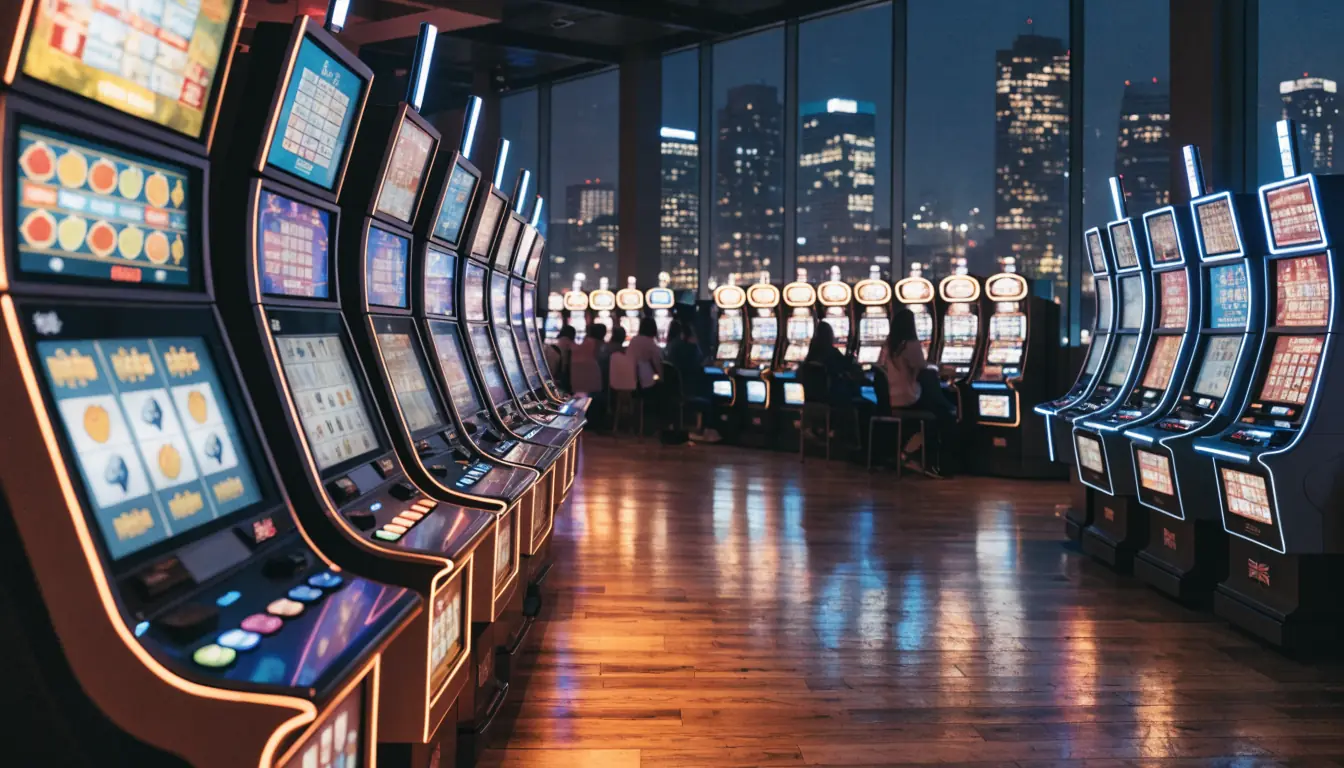
As the denomination increases, the hardware specifications follow suit. Mid-tier machines feature high-definition screens, enhanced audio systems, and ergonomic seating designed for longer sessions. The mathematics in these cabinets shifts toward medium volatility. The payouts are less frequent than the entry-level machines, but the potential multipliers are larger. The transition between tiers is gradual, designed to acclimate players to higher wagering thresholds. The highest denomination machines are located in restricted areas. These cabinets feature premium hardware, including mechanical reels in some instances, and offer the highest volatility profiles on the floor. The player demographic in these areas is distinct. They are seeking substantial payouts and are willing to absorb significant variance to achieve them. The floor management in these high-tier zones prioritizes privacy and personalized service.
Game Mechanics: Paylines, Ways to Win, and Scatter Symbols
The structural complexity of Aussie pokies has evolved significantly from the original three-reel mechanical designs. Modern physical machines utilize complex mathematical models to determine outcomes. The traditional payline structure, where symbols must align on a specific predetermined path, has been largely supplemented by the "ways to win" mechanic. In a ways-to-win configuration, the game evaluates the alignment of symbols on adjacent reels, regardless of their specific position on the reel. This increases the number of potential winning combinations exponentially. A standard five-reel machine with four visible symbols per reel offers 1,024 ways to win. The probability of hitting a winning combination is higher, but the individual payout for each combination is correspondingly lower.
The inclusion of scatter symbols introduces a secondary layer of mathematics to the game. Scatter symbols do not need to appear on a specific payline or in adjacent positions. They act as triggers for secondary game features. When a predetermined number of scatter symbols appear on the screen simultaneously, the game transitions to a bonus round. The bonus round is where the high-variance payouts reside. The base game operates as a low-variance engine, generating small wins to maintain player engagement. The bonus round is a high-variance event, offering the potential for substantial multipliers. This dual-engine structure is the foundation of modern pokie design. It allows manufacturers to balance the overall RTP of the machine while creating the perception of frequent action in the base game and the potential for significant returns in the bonus features.
ways to win
A mechanic where winning combinations are counted on adjacent reels regardless of specific payline positions, dramatically increasing the number of possible wins.
The Role of Hardware Providers: Pragmatic Play, NoLimit City, and Betsoft
While the physical cabinet market in Australia is dominated by local manufacturers, the software ecosystem is increasingly globalized. Game studios like Pragmatic Play, NoLimit City, Hacksaw Gaming, and Betsoft are audited by iTech Labs and eCOGRA. While these studios are primarily known for their online output, their influence on the physical floor is growing. Modern cabinets are capable of running complex software environments, allowing venues to deploy games originally designed for the online market. This cross-pollination is altering the aesthetic landscape of the physical floor. The traditional symbols and payline structures are being supplemented by complex animations and interactive bonus features that were previously impossible on dedicated hardware.
The auditing process for these imported software titles is rigorous. Before a game originally designed for an online platform can be deployed on a physical cabinet, it must undergo the same testing protocols as a natively designed physical game. The RNG must be verified, and the RTP configurations must be locked within the approved parameters. Australian-friendly casinos vary widely in the software they offer, and the physical venues are leveraging this variety to differentiate their floors. A venue might feature a bank of cabinets running exclusively Betsoft titles, positioned next to a bank running traditional Aristocrat hardware. This variety is a deliberate strategy to capture different segments of the player market. Some players are drawn to the familiar aesthetics of local manufacturers, while others are seeking the high-volatility mechanics of studios like NoLimit City.
Evaluating the Top Performers: Specific Titles on the Floor
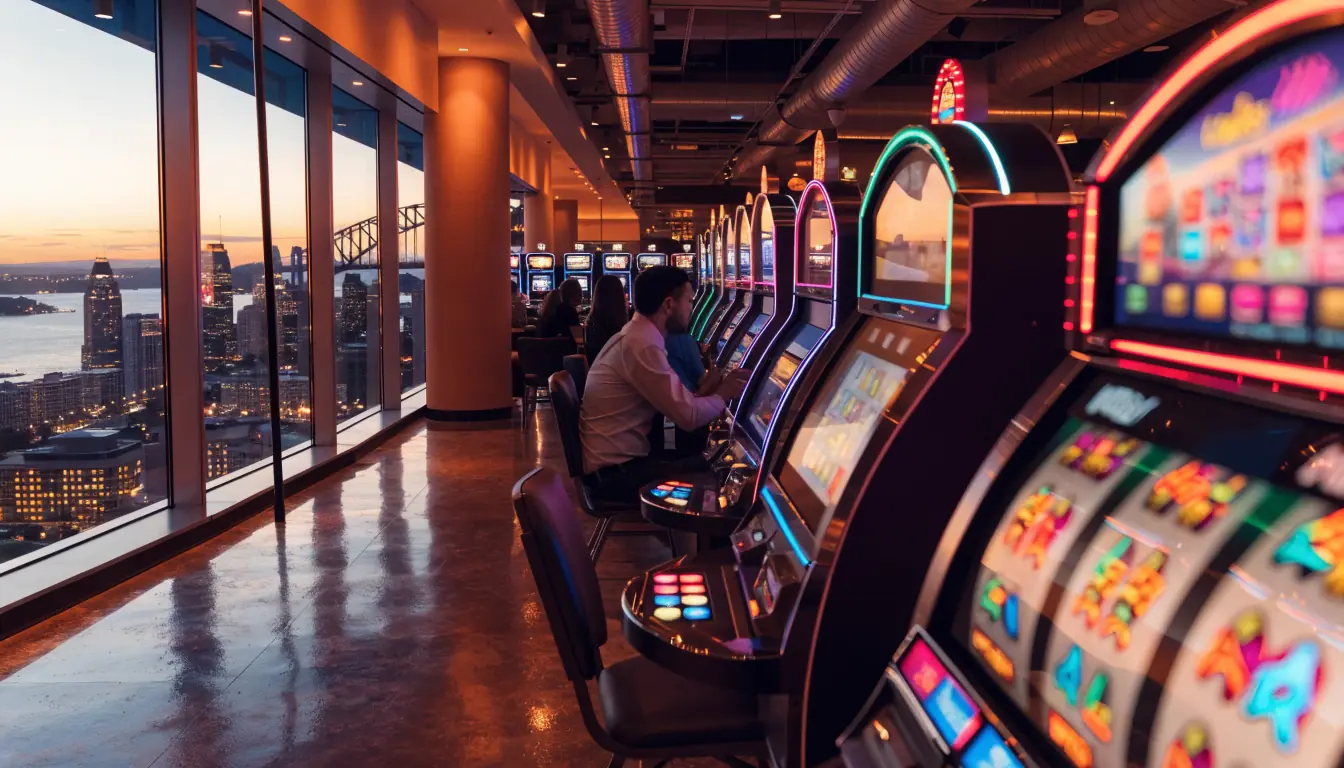
Identifying the top-performing physical pokies requires looking at the specific titles that consistently generate player engagement and revenue. The criteria for a "top" machine are multifaceted. It is not simply the machine with the highest RTP. The volatility, the hit frequency, and the bonus feature mechanics all contribute to a machine’s popularity. Starting with the minimum bet, volatility, and any extra feature cost is recommended when assessing a new machine. According to one industry review, players should evaluate the cost of accessing bonus features before committing significant capital. Some machines allow players to purchase direct access to the bonus round, but the cost of this feature must be weighed against the potential return.
The following titles represent a cross-section of the mechanics and volatility profiles currently favored on Melbourne casino floors. These games utilize distinct mathematical models to achieve player retention. Each entry highlights the structural differences that dictate how a machine plays, how it pays, and where it sits in the broader ecosystem of physical gaming.
-
All Star Clusters All Star Clusters operates on a cluster-pays mechanic rather than traditional paylines. Winning combinations are formed by landing groups of identical symbols that touch horizontally or vertically. The game features a high hit frequency, keeping the base game active. The volatility profile is balanced, offering a mix of small frequent wins and the potential for larger payouts during the free spins feature. The grid expands during the bonus round, increasing the number of potential clusters and the corresponding payout multipliers.
-
Blood Suckers Blood Suckers is a low-volatility machine designed for extended play sessions. The hit frequency is exceptionally high, meaning players will see frequent small returns. The bonus round is triggered by landing three or more scatter symbols. The bonus feature is interactive, requiring the player to select objects to reveal hidden multipliers. This interaction breaks the monotony of the base game spin cycle. The RTP is favorable for players looking to maximize their time on device, but the potential for substantial top-end payouts is limited by the low volatility.
-
Book of 99 Book of 99 is a high-variance machine. The hit frequency in the base game is low, meaning dry spells are common. The core mechanic revolves around a single scatter symbol that acts as both the wild and the bonus trigger. The “99” in the title refers to the theoretical maximum payout multiplier. The game is designed for players willing to sustain periods of no returns in pursuit of the feature round. During the free spins, a special expanding symbol is randomly selected. When this symbol lands, it expands to cover the entire reel, significantly increasing the payout potential. This machine is typically positioned in the deeper sections of the floor.
-
Merge Up Merge Up incorporates a cascading reels mechanic. When a winning combination is formed, the winning symbols disappear, and new symbols drop from the top of the screen to fill the empty spaces. This can create consecutive wins on a single spin. Each consecutive win increases a multiplier meter. The volatility increases as the multiplier meter grows. The base game operates on a medium volatility setting, but the potential for extended cascade sequences elevates the overall risk profile of the machine. This mechanic appeals to players who enjoy an active, dynamic play style over the passive spin-and-wait structure of traditional reels.
-
Snoop Dogg Dollars Snoop Dogg Dollars utilizes a branded theme, but the underlying mathematics are conventional. The game features a medium volatility profile, striking a balance between hit frequency and payout size. The bonus round is a free spins feature with a built-in multiplier that increases with each winning combination. The machine features high-definition graphics and an extensive audio package, leveraging the licensed intellectual property to create an immersive environment. The cabinet housing this game is typically a modern, wide-screen variant designed to showcase the visual assets of the software.
These titles represent a fraction of the floor. The diversity of the hardware and software is a direct response to the diversity of the player base. A floor populated exclusively with high-variance machines would alienate players seeking casual entertainment. A floor populated exclusively with low-variance machines would fail to generate the large payouts that drive the overall excitement of the casino environment. The curation of the floor is a balancing act, constantly adjusted based on real-time data.
The Economics of Floor Placement
The physical placement of a pokie within a venue is not arbitrary. It is the result of extensive data analysis and behavioral psychology. Machines placed at the end of a row, known as "anchor" positions, experience significantly higher play volume than machines in the middle of a row. This is due to the natural flow of foot traffic. Players are more likely to stop at the first or last machine they pass. Consequently, venues place their highest-performing, most popular titles in these anchor positions. The machines in the middle of the rows are often lower-denomination or older titles that do not command the same level of player interest.
Machines placed at the ends of a row (anchor positions) attract significantly higher play volume than those in the middle.
The proximity to amenities also dictates floor strategy. Machines located near ATMs, cash redemption kiosks, and high-traffic restrooms experience higher occupancy rates. Venues capitalize on this by placing machines with high hit frequencies in these zones. A player who has just withdrawn cash is more likely to sit at a machine that offers immediate, frequent reinforcement, encouraging them to reinvest their newly acquired funds. The visual lines of sight are also carefully managed. Aisles are kept clear to allow players to see down the rows, creating the perception of a spacious, active environment. Cluttered aisles impede foot traffic and reduce the overall time players spend on the floor.
The Impact of Volatility on Bankroll Longevity
Understanding the volatility of a physical pokie is essential for managing a bankroll. Lower volatility means smaller wins more often, while higher volatility means less frequent but potentially larger wins. A player with a limited bankroll who sits at a high-variance machine risks depleting their funds rapidly. The dry spells inherent to high-variance mathematics can quickly erode a small balance before the bonus features, where the substantial payouts reside, are triggered. Conversely, a player with a larger bankroll who plays a low-variance machine will see their balance fluctuate minimally. The frequent small payouts will keep them in action, but the potential for a significant return is negligible.
The choice of machine should align with the player’s objective. If the objective is entertainment and maximizing the time spent on the device, a low-volatility machine with a high hit frequency is the appropriate selection. The steady stream of small payouts will sustain the play session. If the objective is to win a substantial sum, a high-variance machine is required. The player must be prepared to absorb the dry spells and have the bankroll necessary to sustain the session until the variance swings in their favor. The casino floor provides options for both objectives, strategically positioned to cater to the corresponding player demographics.
Auditing the Physical Cabinets: eCOGRA and iTech Labs
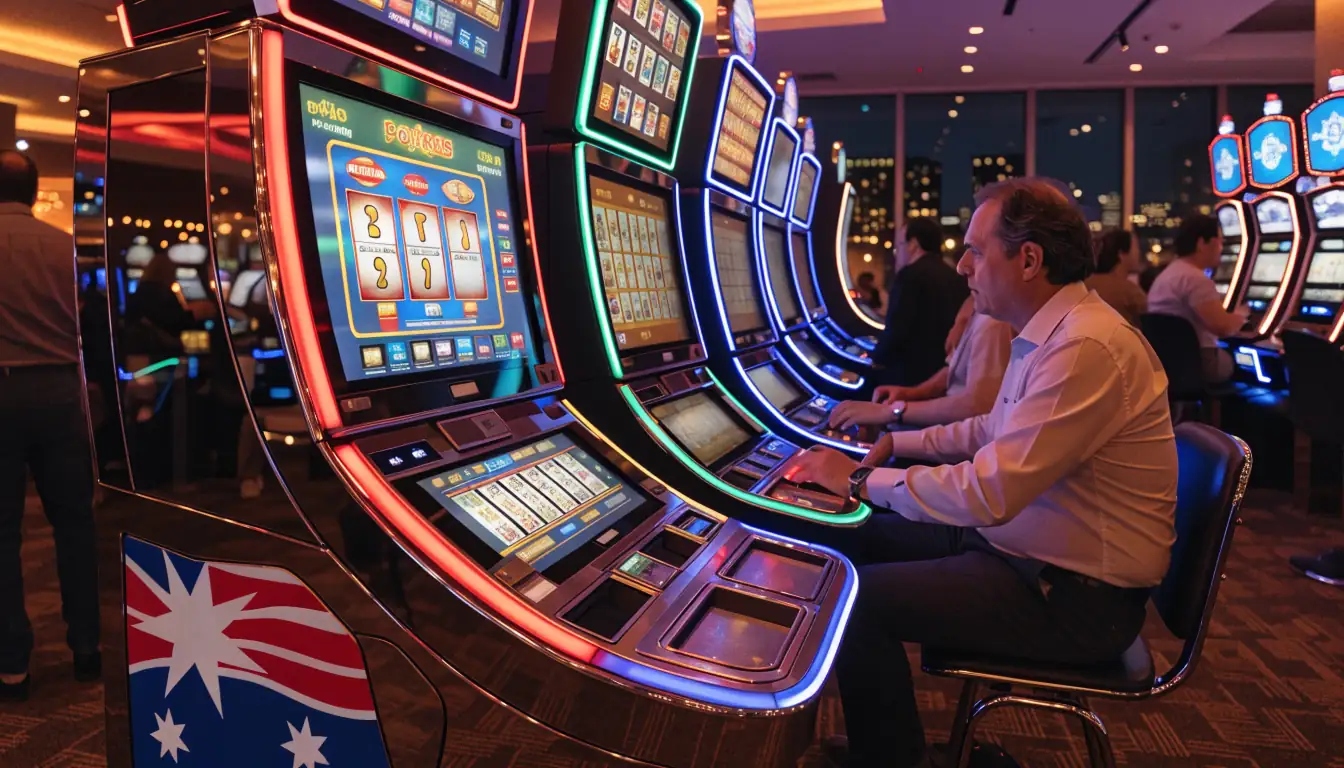
The integrity of the physical gaming floor is maintained through independent auditing. Game studios Pragmatic Play, NoLimit City, Hacksaw Gaming, and Betsoft are audited by iTech Labs and eCOGRA. These independent testing laboratories verify the RNG and the RTP configurations of the games. While these studios are prominent in the online space, the same auditing standards apply to their physical deployments. When a game is certified by eCOGRA or iTech Labs, it means the underlying mathematics have been subjected to billions of simulated spins. The testing process verifies that the actual return of the machine aligns with the theoretical return over a statistically significant sample size.
The certification process for a physical cabinet is more complex than for an online game. The software must be integrated into the proprietary hardware of the cabinet. The interaction between the software and the hardware can introduce variables that do not exist in a pure server-based online environment. The testing laboratories must verify that the RNG operates correctly within the specific hardware environment. The display rendering, the audio triggers, and the mechanical components, if any, must all function in perfect synchronization with the RNG. A discrepancy in the timing of a mechanical reel stop, for example, could theoretically alter the outcome of a spin. The auditing process eliminates these variables, ensuring that the physical machine operates identically to the simulated model.
Compliance Risk
Running a cabinet without approved RNG code can lead to removal by regulators and potential fines.
The Player Tracking Ecosystem
Modern physical pokies are not standalone devices. They are nodes in a vast data collection network. Every cabinet is equipped with a player tracking system. This system monitors the insertion of funds, the denomination selection, the spin frequency, and the payout events. Players are incentivized to use loyalty cards, which link their individual play data to a central profile. This data is used to calculate complimentary offerings, such as free meals or discounted accommodation. But the primary purpose of the tracking system is to provide the venue with granular data on player behavior. The venue knows which machines are played the most, which denominations are preferred by different demographics, and how long players sustain sessions on specific volatility profiles.
This data is used to optimize the floor. If a specific bank of machines consistently underperforms, the venue can adjust the RTP parameters via the Server-Based Gaming network, or replace the game entirely. The data also informs future purchasing decisions. If players on the floor demonstrate a strong preference for games developed by a specific studio, the venue will prioritize acquiring new titles from that studio. The player tracking ecosystem transforms the physical floor from a static environment into a dynamic, data-driven marketplace. The machines are not just games; they are data collection points that inform the broader operational strategy of the venue.
Peripheral Features and Secondary Betting Options
The modern pokie cabinet is designed to maximize revenue per square foot. One method of achieving this is through secondary betting options. Many machines offer side bets or optional features that increase the total stake per spin. These features often promise enhanced bonus triggers or increased multiplier values. The mathematics of these secondary bets are configured to increase the overall house edge. While the base game might operate on a specific RTP, the inclusion of the side bet alters the economics of the machine. Players who consistently engage these secondary features will deplete their bankrolls at a faster rate than those who stick to the base game.

The physical design of the cabinet also incorporates peripheral hardware designed to accelerate play. The "spin" button is often supplemented by a touch-screen interface, allowing players to initiate the next spin immediately after the previous one concludes. The removal of the mechanical delay inherent in older machines increases the number of spins per hour. More spins equate to more exposure to the house edge. The interface is designed for maximum efficiency. The bill acceptor is positioned for easy access, and the ticket printer is situated to minimize the interruption to the play cycle. Every element of the cabinet’s physical design is optimized to keep the player engaged and the reels spinning.
The Transition from Mechanical Reels to Digital Displays
The evolution of the physical pokie from mechanical reels to digital displays has fundamentally altered the mechanics of the game. In a mechanical reel machine, the number of symbols on each reel is limited by the physical circumference of the reel. This limits the number of possible combinations and dictates the jackpot sizes. A mechanical reel can only hold a specific number of symbols, making large jackpots mathematically improbable without introducing blank spaces or multiple stop positions for a single symbol. Digital displays remove this constraint. A virtual reel can contain hundreds of symbols. This allows for massive jackpot pools and complex payline structures that are physically impossible to replicate with mechanical hardware.
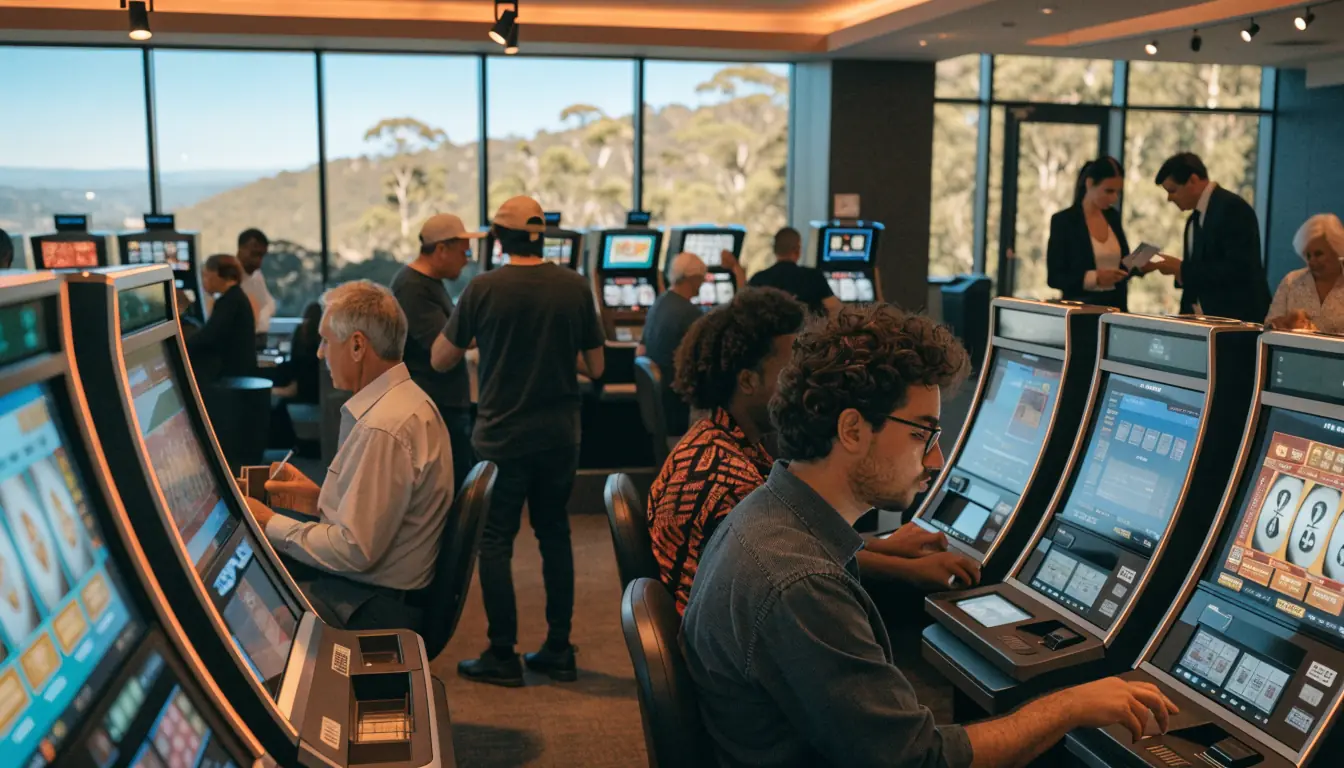
The transition to digital displays also changed the aesthetic language of the floor. The traditional cherries, bells, and bars have been replaced by high-definition graphics, licensed intellectual property, and complex narrative themes. The screens are larger, brighter, and capable of displaying dynamic animations. This visual upgrade is not merely cosmetic. It serves a functional purpose. The complex bonus features, the multi-stage mini-games, and the cascading reel mechanics would be impossible to convey on a traditional mechanical display. The digital screen allows the software to communicate the game state to the player clearly, reducing confusion and maintaining engagement.
The Auditory Environment and Machine Acoustics
The acoustic profile of a pokie is a critical, often overlooked component of its design. The sounds emitted by the machine are not arbitrary. They are meticulously engineered to trigger specific psychological responses. The sound of a win, regardless of its size, is tuned to a major chord, creating a sense of euphoria and accomplishment. The sound of a near-miss, where the final required symbol lands just outside the payline, is tuned to create a sense of anticipation and urgency. The ambient background music is designed to mask the sounds of the surrounding environment, creating an isolated, immersive experience for the player.
The volume and pitch of the audio are calibrated to the specific hardware of the cabinet. The speakers are positioned to direct the sound toward the player, minimizing the bleed of audio into adjacent machines. This acoustic isolation is crucial on a crowded floor. If the sounds of multiple machines blended into an indistinguishable roar, the psychological reinforcement would be lost. The player needs to hear their machine, their wins, and their near-misses. The auditory feedback loop is a primary driver of engagement. A machine with the audio disabled will consistently underperform a machine with the audio active, regardless of the underlying mathematics.
near-miss
A near‑miss occurs when the final needed symbol lands just off the payline, creating anticipation and urging the player to continue.
Responsible Gaming Protocols on the Physical Floor
The physical deployment of pokies is subject to strict responsible gaming protocols. Every machine must display clear information regarding the odds of winning and the RTP configuration. The venue is required to provide access to support services. In Victoria, thevgccc mandates that all electronic gaming machines feature pre-commitment technology. Players can set limits on their spending before they begin play. The machine will automatically warn the player when they approach their limit, and will prevent further play once the limit is reached. This technology is integrated directly into the hardware of the cabinet, ensuring that the limits are enforced mechanically, not through the discretion of the venue staff.
The physical environment is also regulated. The venue must ensure that the aisles are clear, that the lighting is sufficient, and that the machines are not obstructed. The placement of ATMs is regulated. ATMs cannot be placed directly adjacent to the gaming machines. This physical separation is designed to create a pause in the play cycle, forcing the player to walk away from the machine to access additional funds. The responsible gaming messaging is displayed on the screens of the machines, rotating through a cycle of reminders and support service information. The physical floor is a highly regulated environment, designed to balance the commercial objectives of the venue with the regulatory mandate to minimize harm.
The Intersection of Physical and Digital: Hybrid Platforms
The distinction between the physical and online gaming markets is becoming increasingly blurred. Hybrid platforms represent the next evolution of the physical pokie. These platforms integrate the physical cabinet with a digital interface, allowing players to access online content from a physical terminal. This architecture is still in its infancy in the Victorian market, but the underlying technology is being deployed. A player sitting at a physical cabinet could theoretically access a server-based library of games, selecting from a menu of titles rather than being restricted to the single game loaded onto the machine’s local hardware. This model mirrors the online casino experience, where the game is a service rather than a physical product.
The regulatory implications of hybrid platforms are significant. If a physical cabinet is accessing online content, the data must be routed through the venue’s central server. This introduces cybersecurity considerations that do not exist in a standalone, air-gapped machine. The testing and auditing process must verify the integrity of the data transmission, ensuring that the game outcomes are not compromised in transit. The vgccc is currently evaluating the deployment of these systems. The transition to hybrid platforms will fundamentally alter the economics of the physical floor. Venues will no longer need to purchase individual cabinets for each game title. A single bank of generic terminals could access the entire library of a provider’s portfolio, drastically reducing the capital expenditure required to maintain a competitive gaming floor.
The Economics of Jackpots: Linked and Standalone
The presence of a jackpot is a primary driver of player traffic. Jackpots are categorized into two primary types: standalone and linked. A standalone jackpot is specific to a single machine. The jackpot pool is funded by a percentage of the wagers placed on that specific cabinet. When the jackpot is won, the pool resets to a predetermined minimum amount. The odds of winning a standalone jackpot are relatively higher than a linked jackpot, but the prize pool is correspondingly smaller. These machines appeal to players who are focused on their individual session and are not influenced by the larger, venue-wide prize pools.
Linked jackpots, also known as wide-area progressives, connect multiple machines across the venue, or even across multiple venues. A percentage of every wager placed on any machine in the linked network contributes to a central jackpot pool. The jackpot is displayed on a prominent sign above the linked bank of machines. The odds of winning a linked jackpot are significantly lower, as the trigger must occur randomly across the entire network. However, the prize pool can reach substantial sums. The presence of a large, visible jackpot draws players to the area. Even if the player does not win the grand prize, the increased traffic benefits the other machines in the vicinity. The linked jackpot is a marketing tool as much as it is a gaming feature.
The Future of the Physical Pokie in Melbourne
The physical pokie market in Melbourne is not contracting; it is evolving. The introduction of new technology, the shift towards Server-Based Gaming, and the integration of audited software from global providers are transforming the floor. The traditional image of the standalone mechanical machine is fading. The modern cabinet is a networked terminal, connected to a central server, constantly monitored and dynamically configured. The player experience is becoming increasingly personalized, driven by data analytics and player tracking systems. The variety of games available on the floor is expanding, blurring the lines between the physical and the digital.
Emerging Tech
Server‑Based Gaming enables remote RTP and volatility adjustments, but changes must occur only during maintenance windows under VGCC regulations.
The regulatory framework is adapting to these changes. The vgccc is focused on ensuring that the integrity of the games is maintained in this new, networked environment. The auditing processes are becoming more complex, requiring continuous monitoring of the server-based infrastructure rather than periodic physical inspections of individual cabinets. The physical floor at Crown Melbourne and the suburban venues across the state will continue to operate as the primary hubs for electronic gaming. The technology will change, the graphics will improve, and the mechanics will become more complex, but the fundamental appeal of the reel-based casino game will remain. The variety and the simplicity of the play will continue to draw crowds to the physical machines.
Navigating the Suburban and Central Floor Environments
The experience of playing pokies in Melbourne varies drastically depending on the specific location. A player visiting Crown Melbourne is entering a large-scale, high-density environment. The floor is vast, the denominations range from cents to hundreds of dollars, and the variety of machines is unparalleled. The atmosphere is intense, designed to maximize excitement and engagement. The player is surrounded by activity, by the sounds of wins and the sights of flashing lights. The experience is immersive and overwhelming in equal measure. The floor management is invisible but omnipresent, constantly analyzing data and adjusting configurations to optimize the environment.
In contrast, the suburban venues offer a more localized, intimate experience. The scale is smaller, the variety of machines is limited, and the demographic is localized. The atmosphere is less intense, but the underlying technology is identical. The machines in a suburban club are connected to the same central monitoring system, audited by the same laboratories, and operating under the same regulatory framework. The player who chooses to play in a suburban venue is often seeking a quieter environment, or a venue that offers specific community ties, such as a local leagues club. The choice between the central casino floor and a suburban venue is a matter of personal preference, not a choice between different qualities of gaming. The integrity of the game is consistent across the state.
The convenience of location plays a significant role in player behavior. The facilities offering pokies near Melbourne Airport cater to a specific operational niche. The demographic is transient. Players include travelers with delayed flights, airport staff on breaks, and local residents in the surrounding industrial suburbs. The machines in these venues are configured for rapid turnover. The floor strategy prioritizes machines with high hit frequencies and engaging bonus features, designed to provide a quick burst of entertainment. The opposite end of the spectrum is found in the residential belts. Venues in the western suburbs are large, purpose-built facilities designed to accommodate hundreds of players. The floor space is significant, and the variety of machines reflects the scale of the operation.
The central business district presents its own unique ecosystem. Venues featuring pokies near Melbourne Central operate in a high-density commercial zone. The demographic includes office workers on lunch breaks, shoppers, and tourists. The operational hours are dictated by the surrounding commercial activity. The machines in these venues are heavily utilized during peak periods. The floor management in the CBD zones is highly aggressive. The turnover of machines is rapid, and the floor configurations are frequently updated to reflect the latest player preferences. The data generated from these high-traffic venues is invaluable to the manufacturers. A game that performs well in a CBD venue is likely to be deployed across the broader suburban network. The CBD floor acts as a testing ground for new hardware and software deployments.
The Intersection of Hardware Design and Player Psychology
The physical design of a pokie cabinet is not a matter of aesthetics; it is a study in ergonomics and behavioral psychology. The angle of the screen is calculated to minimize glare and maximize visibility. The seating is designed to provide support for extended periods, reducing physical fatigue. The placement of the buttons is engineered to minimize the physical effort required to initiate a spin. The entire cabinet is designed to remove any friction from the play cycle. The goal is to create a seamless interface between the player and the machine, where the act of playing becomes a continuous, uninterrupted flow. The physical environment is engineered to encourage the player to remain seated and to keep the reels spinning.
The size of the screen is a critical factor. Larger screens allow for more complex visual presentations. The graphics can be more detailed, the animations more fluid. This enhances the immersive quality of the game. The screen also serves as a canvas for secondary information. Player tracking data, jackpot meters, and promotional messaging can be displayed alongside the game, keeping the player informed of their status without requiring them to look away from the screen. The integration of this information is seamless. The player is constantly aware of their progress, their tier in the loyalty program, and the size of the jackpots they are competing for. This constant stream of information reinforces the player’s engagement with the machine.
Triggering a Bonus Round
The player watches for the required number of scatter symbols to appear on the reels during a spin.
When the scatter count is met, the game switches to the bonus round, pausing the base game.
During the bonus, free spins or multipliers are awarded, providing higher‑variance payouts.
The Mechanics of Bonus Rounds and Feature Triggers
The bonus round is the core driver of modern pokie design. The base game is merely the engine that transports the player to the bonus feature. The mechanics of triggering the bonus round vary widely. The most common trigger is the scatter symbol. When a specific number of scatter symbols land on the screen simultaneously, the game transitions to a different mode. In this mode, the payouts are larger, the multipliers are higher, and the volatility increases. The bonus round is where the player has the opportunity to achieve a substantial return on their wager. The anticipation of the trigger is a primary psychological driver. The player continues to spin the reels, absorbing the dry spells, because the potential reward of the bonus round outweighs the cost of the base game spins.
The structure of the bonus round itself varies. Some games offer free spins with a static multiplier. Others feature expanding wilds, cascading reels, or interactive mini-games. The interactive mini-games require the player to make selections, such as picking objects from a grid to reveal hidden multipliers. This interaction creates a sense of agency, an illusion of control over the outcome. The outcome is predetermined by the RNG the moment the bonus round is triggered, but the presentation of the mini-game makes the player feel as if their choices are influencing the result. This psychological trick is a powerful engagement tool. It transforms the player from a passive observer into an active participant, increasing their investment in the outcome of the game.
Conclusion of the Physical Floor
The physical pokie market in Melbourne is a complex, highly regulated, and technologically advanced ecosystem. From the vast floors of Crown Melbourne to the suburban venues across the state, the machines are engineered to provide a specific, carefully calibrated experience. The mathematics, the hardware, the acoustics, and the floor placement are all elements of a unified strategy. This strategy is designed to maximize player engagement and to ensure the integrity of the games. The transition from mechanical reels to digital displays, and from standalone cabinets to networked terminals, represents the evolution of the industry. The core principles remain unchanged. The variety of the games, the simplicity of the play, and the potential for substantial payouts continue to drive the market. The physical floor is not a relic of the past; it is a dynamic, evolving environment that continues to adapt to the changing preferences of the player base and the advancements of the underlying technology. The physical and the digital are converging, creating a new hybrid model that will define the next generation of reel-based gaming in Melbourne.
Crown Casino Online Pokies: Payments, Bonuses and Legal Checklist for Australian Players
The brick-and-mortar floors of Crown Casino Melbourne operate under strict local state licensing, but the digital landscape for Aussie pokies is an entirely different structural mechanism. There are no domestically licensed real-money online casino operators available to Australian players. The Interactive Gambling Act 2001 prohibits operators from offering prohibited interactive gambling services to people physically located in Australia. The Australian Communications and Media Authority (ACMA) administers this framework. While the law targets operators, it does not penalise citizens for playing at offshore venues.
Consequently, accessing online pokies for real money from Melbourne requires relying on offshore platforms. The sites operate under Curaçao eGaming licenses issued via Antillephone N.V. International licenses provide their own dispute resolution frameworks, but verifying these credentials requires direct diligence. A public registry of domestic licensees does not exist here.
Payment Infrastructure and Withdrawal Speeds
Banking limitations dictate the functional reality of the market. According to moviemaker.com, withdrawal speed is the single most important factor for Australian online casino players in 2026. In the conditions of one specific operator reviewed by an industry publication, some high-performing Australian casinos process more than 90% of payments in under 15 minutes. Achieving this speed depends entirely on the chosen banking method.
Australian banks introduced the Confirmation of Payee service in July 2025, adding a layer of verification to direct transfers. However, Australian banks generally block credit card deposits to offshore casinos. Instead, per data from one industry review, top operators accept PayID, Neosurf vouchers, and Bitcoin or Ethereum for deposits and withdrawals. These hybrid platforms manage both fiat and digital currency without friction.
When dealing with maximum cash payout pokies in Melbourne, the physical casino cage handles cash instantly. Online, the mechanism shifts entirely to digital wallets. Moving Bitcoin or Ethereum to an external wallet requires operators to attach verified ID details to crypto withdrawals in compliance with the Travel Rule.
Bonus Terms and Real Value
Searching for online pokies with a no deposit bonus often leads to offers that obscure their true cost. Many offshore platforms advertise free spins and pokie bonuses as part of welcome offers. Yet, wagering, max bet rules, and max cashout limits affect the real value of a bonus offer more than the headline number.
Operators structure these promotions with strict conditions. Good wagering requirements sit between 30x and 35x, while anything 50x or higher quickly drains the deposited balance before a withdrawal is possible. State the expiration period clearly: bonuses must be used within a specified window before expiring. Furthermore, operators must indicate any maximum bet limits per spin that apply while a bonus is active.
In regulated Australian markets, advertising Feature Buy options is prohibited. Locally, players will not find interfaces allowing them to pay to access bonus rounds immediately.
Support Standards and Harm Minimisation
Functional customer service separates operational platforms from neglectful ones. Per the report by moviemaker.com, top Australian casinos provide 24/7 live chat with response time under two minutes.
Harm minimisation remains a statutory requirement. The minimum legal gambling age is 18. For those struggling with gambling habits, self-exclusion from Melbourne pokies extends into the digital space through BetStop, the national self-exclusion register, and Gambling Help Online. These services operate independently from offshore operators, providing a structural barrier for individuals needing to block access.
What are the top welcome bonuses for Australian players in 2026?
Many Australian-friendly casinos offer free spins and pokie bonuses as part of welcome offers or ongoing promotions. Look beyond the headline number: wagering requirements of 30x-35x are good, while 50x or higher should be avoided, and max bet and max cashout rules can affect the real value of a bonus more than its size.
What payment methods are available for Australian players at online casinos?
Top operators accept PayID, Neosurf vouchers, and Bitcoin or Ethereum for deposits and withdrawals. Note that Australian banks generally block credit card deposits to offshore casinos, and the Confirmation of Payee service introduced in July 2025 may affect transfers.
What law governs online gambling in Australia?
The Interactive Gambling Act 2001 (IGA) is the cornerstone of Australia’s gambling regulation, administered by the Australian Communications and Media Authority (ACMA). It prohibits operators from offering prohibited interactive gambling services to people physically located in Australia, but no federal or state laws penalise citizens for playing at offshore online casinos.
What are the key limits on providing services to customers?
The IGA prohibits operators from offering prohibited interactive gambling services to people physically located in Australia, and non-compliant sites may face IP blocking. The minimum age to access online gambling content is 18 years.
What are pokies?
Aussie pokies are reel-based casino games built around simple play but huge variety. The core objective is aligning symbols across designated paylines, though the execution, mechanical structures, and bonus features vary drastically between machines.
Are my personal and financial details safe?
Reputable online casinos use RNG-based games from audited providers, with studios like Pragmatic Play, NoLimit City, Hacksaw Gaming, and Betsoft audited by iTech Labs and eCOGRA. Casinos with international licenses provide their own dispute resolution frameworks.